OpenClaw 2026.11.4 stops agents from attaching private phone photos and screenshots to replies
OpenClaw released version 2026.11.4 on November 16, 2026. When an agent looked at a photo, a camera capture or the screen of a paired phone, the saved image could be attached to its next reply, including in group chats. The release marks those images private. It also gives each viewer of a shared session their own Side chat and stops the iOS app from saving setup codes in plain text.
OpenClaw, the open-source agent platform, published version 2026.11.4 on November 16, 2026, and its privacy fixes deal with data that reached people it was not meant for. The fix with the most direct consequence involves paired nodes, the phones and other devices an OpenClaw agent can control. Images the agent pulled from such a device for its own inspection could end up in a chat reply.
Private images no longer go out with the reply
Through the nodes tool, the agent can read the owner's latest gallery photo, take a camera capture or snapshot the phone's screen. According to the pull request that fixed the problem, those results lacked the privacy flag that image, computer and browser inspection results already carried. The reply pipeline therefore attached the saved image to the first visible reply, even a text-only answer, and even in a group chat.
The fix marks those results private. The agent still sees the image when its model supports vision, and it can still send the picture with the message tool when the user asks for it. The author of the fix says no attacker and no prompt injection were needed, only an ordinary question about a photo. A screen snapshot can show banking apps, messages or one-time codes, the author adds.
Other leaks closed in the same release
The release notes cover 99 pull requests merged since version 2026.11.3. Three more of the fixes concern who could see what.
- In a shared session, every viewer saw the same Side chat, and one person clearing it wiped it for everyone. Each signed-in person now gets a separate thread. Connections without a personal identity, such as a shared token for the Gateway, OpenClaw's server process, still share one.
- The iOS app saved the setup code entered in Settings, which carries Gateway credentials such as a token or password, to its preferences file. An abandoned setup left the code in plain text in the app container and in device backups. The app now keeps the code in memory and deletes the old entry at launch.
- Hidden text that a plugin injected into the model's prompt appeared in the metadata of chat history and live events sent to display clients. The Gateway now strips it.
„No prompt injection or attacker is needed“
Sources
Once a week, in your inbox
The whole week's news, gathered into one email. No ads, no passing your address on, one-click unsubscribe.
The address is used only for this roundup. It is not sold and not passed to anyone.
Related
GitHub will bill organizations for Copilot code review by default starting December 30
GitHub said on November 25, 2026, that Copilot code review for licensed members will be billed to the organization that owns the repository whenever no billing choice has been saved. The change applies to Copilot Business and Copilot Enterprise. Administrators who want to keep the current arrangement have to select Member before December 30, 2026.
GitHub Changelogverified
OpenClaw 2026.11.10 turns on Deep Research by default and lets users take over the agent's browser
OpenClaw's new release includes Deep Research, which looks through several sources and returns a report with quotes and gaps marked. It is on by default and uses the models the user has already set up. A second addition lets a user take over a browser tab during a sign-in, although the agent can still capture the page. The optional Knowledge plugin stores memory in local Markdown files.
OpenClawverified
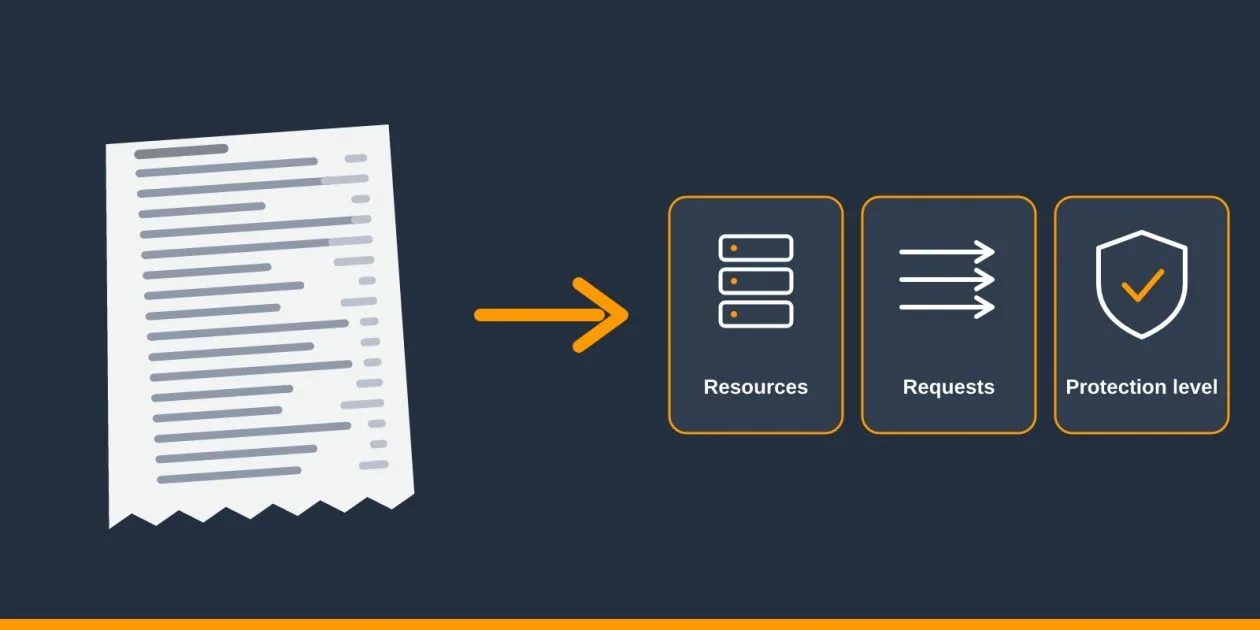
AWS WAF will bill each protected resource from February 2027 and drop its fees for rules
Amazon is changing how it charges for AWS WAF, the firewall that filters traffic to web applications. Rules and rule sets become free, while every protected resource gets an hourly fee. Sites with many rules on a few resources stand to pay less, and companies that cover many resources with one rule set can pay several times more.
AWSverified