Safari now runs on Apple HomeView, with a square screen and a viewport shorter than 600 pixels
Apple's new home device puts Safari on a square seven-inch display that people operate mostly by voice. The WebKit team says most sites will work as they are, and names the assumptions that break them: a tall viewport, pointer-only controls, and treating an iOS user agent as an iPhone.
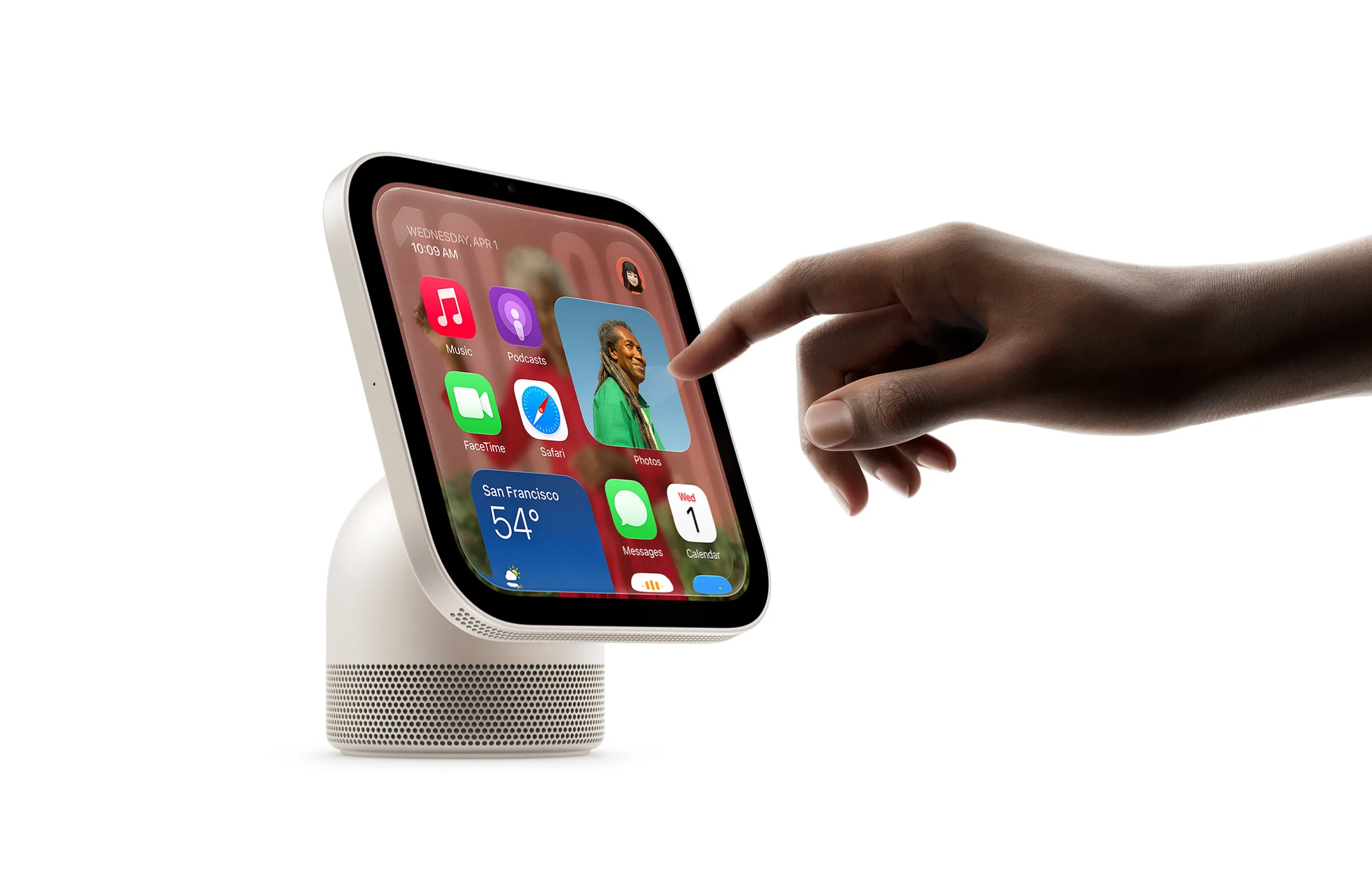
The WebKit team at Apple said on November 13, 2026, that Safari now runs on Apple HomeView, a home device that went on sale the same day. People use HomeView by voice from across the room or by touch on its square seven-inch display. WebKit says most websites need no changes, but sites built on assumptions about screen shape, input method, or user agent can break on it.
What breaks on a short, square screen
The viewport on HomeView is shorter than 600 pixels, and the screen is square rather than landscape or portrait. Sticky or fixed headers and footers can leave little room for the main content. A modal taller than the viewport, such as a newsletter signup, can leave the visitor with no way to close it. WebKit suggests capping a modal's height below the viewport and letting its content scroll.
Voice is a main way to use the device, and someone speaking to a page calls a control by its name instead of pointing at it. That works only with semantic HTML, so WebKit asks for real buttons, links, and form fields, each with a clear label.
Safari on HomeView also reports an iOS user agent. A site that treats every iOS user agent as an iPhone will therefore misidentify the device. WebKit recommends testing for a feature directly instead of reading the user agent, and using Smart App Banners instead of a custom banner that pushes an app download.
Recipes and video captions
When a page contains a recipe, Safari offers a streamlined, step-by-step view of the instructions. Safari builds that view from recipe data marked up with the schema.org Recipe type in JSON-LD, and WebKit advises sites that publish recipes to add the markup if they lack it. For video, WebKit asks for captions as WebVTT files inside track elements.
Testing without the device
WebKit suggests two ways to check a site without owning HomeView. One is a phone held in landscape orientation, which also gives a short viewport. The other is Responsive Design Mode in Safari, with the viewport set to 448×364.
Where HomeView is sold
Apple sells HomeView for $299 in the US, in a tabletop and a wall-mounted model. Orders opened on November 13, 2026, in Australia, Canada, India, New Zealand, Singapore, the UK, and the US. The device is not sold in the European Union, because Siri AI is currently not offered in iOS there.
Sources
Once a week, in your inbox
The whole week's news, gathered into one email. No ads, no passing your address on, one-click unsubscribe.
The address is used only for this roundup. It is not sold and not passed to anyone.
Related
Google's AI Mode can now draw on your Google Wallet spending if you connect it
Google is letting people connect Google Wallet to AI Mode, the conversational side of its search, with Drive and the Gemini app to follow. The connections are off until you turn them on, and Google says AI Mode can only read the accounts. AI Overviews will also start reflecting your recent searches, which you can switch off.
Googleverified
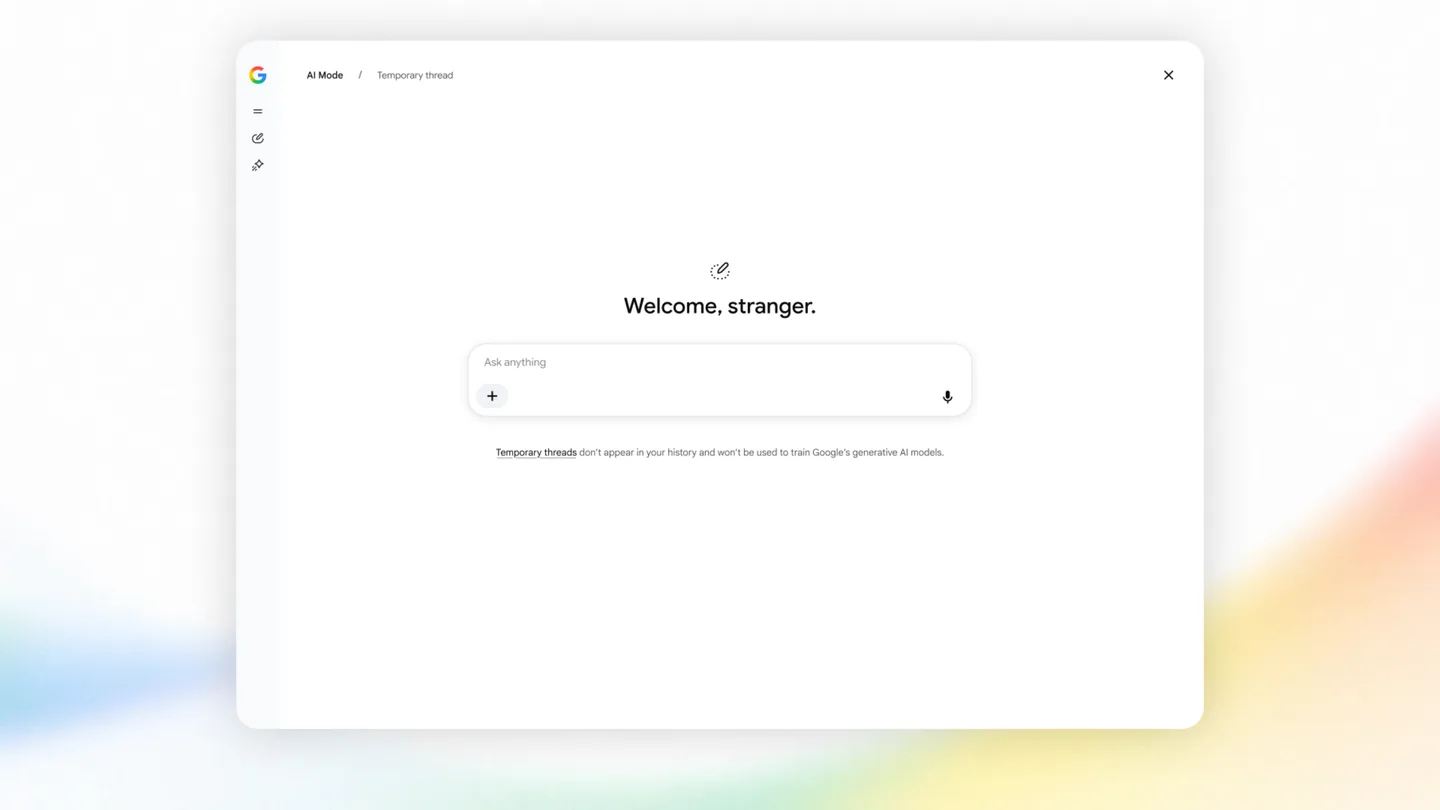
Google adds temporary threads to AI Mode, so conversations stay out of search history
AI Mode in Google Search now has temporary threads. A conversation opened this way is detached from the user's account, is not saved to history, and does not shape later recommendations.
Googleverified
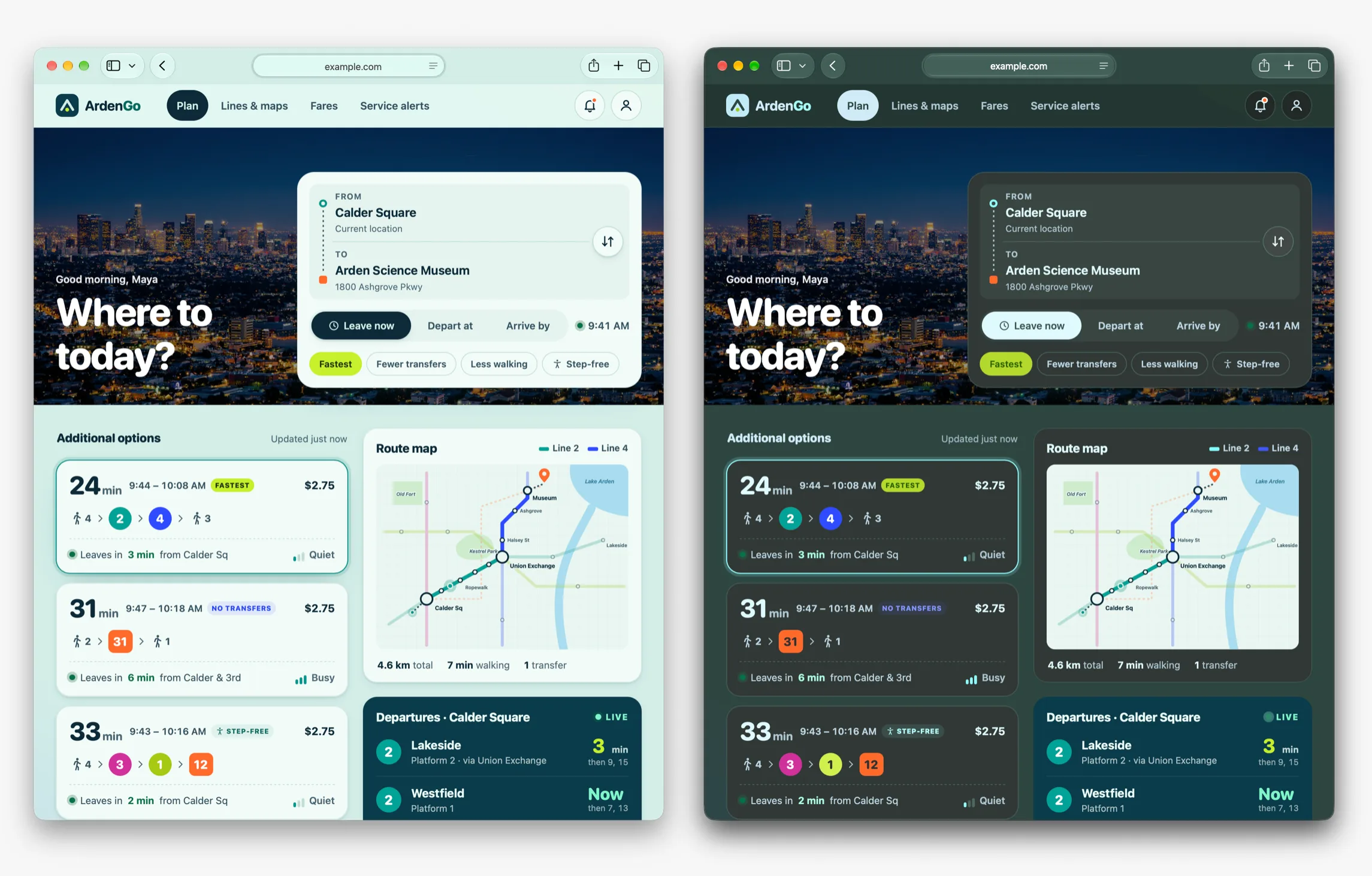
Safari 27.3 beta can darken light websites on its own, and the sites cannot detect it
The WebKit team introduced Adaptive Dark Mode on November 3, 2026. When a user turns it on, Safari recolors light pages that have no dark version of their own. Sites that declare dark mode support are left alone, and scripts keep reading the original colors.
WebKitverified