Skip to content

Tags

Google

51 items

Page 2 of 2.

Modelsstrong signal

Gemini 3.8 Flash arrives at $0.75 per million input tokens, and that price has an end date

Google released Gemini 3.8 Flash and a security variant, 3.8 Flash Cyber, on September 2, 2026. The general model costs $0.75 per million input tokens and $3.75 per million output tokens, the same introductory rate Gemini 3.7 Flash launched with. Google states that the rate holds until December 31, 2026. From January 1, 2027 it becomes $1.50 and $7.50. The Cyber variant is not on the price list at all, because it is handed out through a vetted access program called Fairwind.

Google DeepMindverified
Securitystrong signal

Gemini CLI 0.58.0 closes a sandbox escape that ran through the Docker socket

Gemini CLI runs untrusted work inside a macOS Seatbelt profile. Until 0.58.0 that profile did not stop a sandboxed process from talking to a container runtime on the same machine, and a container runtime will mount the host filesystem for whoever asks. The fix was merged on August 21, 2026 and reached a stable release on September 1, 2026. It covers the profile builder and all six built-in macOS profiles.

Gemini CLIverified

Images & videomedium signal

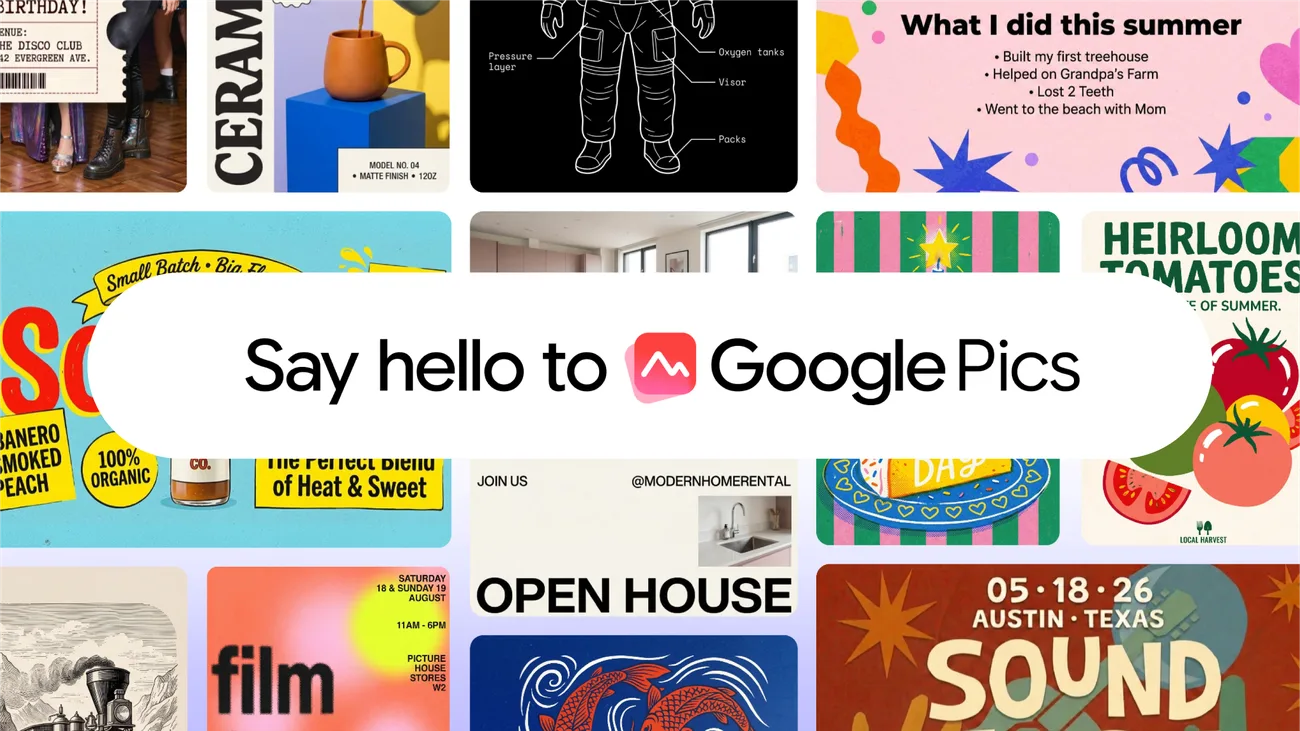
Google put its Nano Banana image editor into Docs and Slides and named it Google Pics

Google Pics is a standalone image creation and editing tool built on the Nano Banana model, and the same controls are being wired into Workspace apps. The integration begins with Docs and Slides on September 1, 2026, and reaches Drive in the coming weeks. Access arrives with a Google AI Pro or Ultra subscription and with most Workspace business plans, rolling out over the coming weeks. Google publishes no quota, no separate price, and no list of supported languages.

Googleverified

Modelsstrong signal

Google gave Gemini a video tool that picks what to watch, and reports up to 88% fewer tokens

Agentic video understanding lets the model decide which segments of a video to open, at what frame rate, and whether to use frames, audio, or the transcript. Google launched it on September 1, 2026 for Gemini 3.7 Flash, Gemini 3.6 Flash, and Gemini 3.5 Flash-Lite, through the Gemini API in Google AI Studio and the Gemini Enterprise Agent Platform. The company reports up to 88% lower token consumption, up to 66% lower cost, and up to 7% better accuracy on standard video analysis benchmarks. The price list does not move: standard token rates apply and there is no separate fee.

Googleverified

Business & policymedium signal

Leading labs, banks and insurers signed a letter saying today's security will not hold

OpenAI, Anthropic, Google, Microsoft, AWS, Cloudflare, Visa and General Motors are among the signatories of an open letter published on August 27, which argues AI-enabled attacks will outpace current defenses within months and sets out what each of four groups should do. Counting the list on the letter gives 118 names on August 27 and 155 on August 29, against the round hundred or the 116 reported elsewhere.

OpenAIverified

Images & videomedium signal

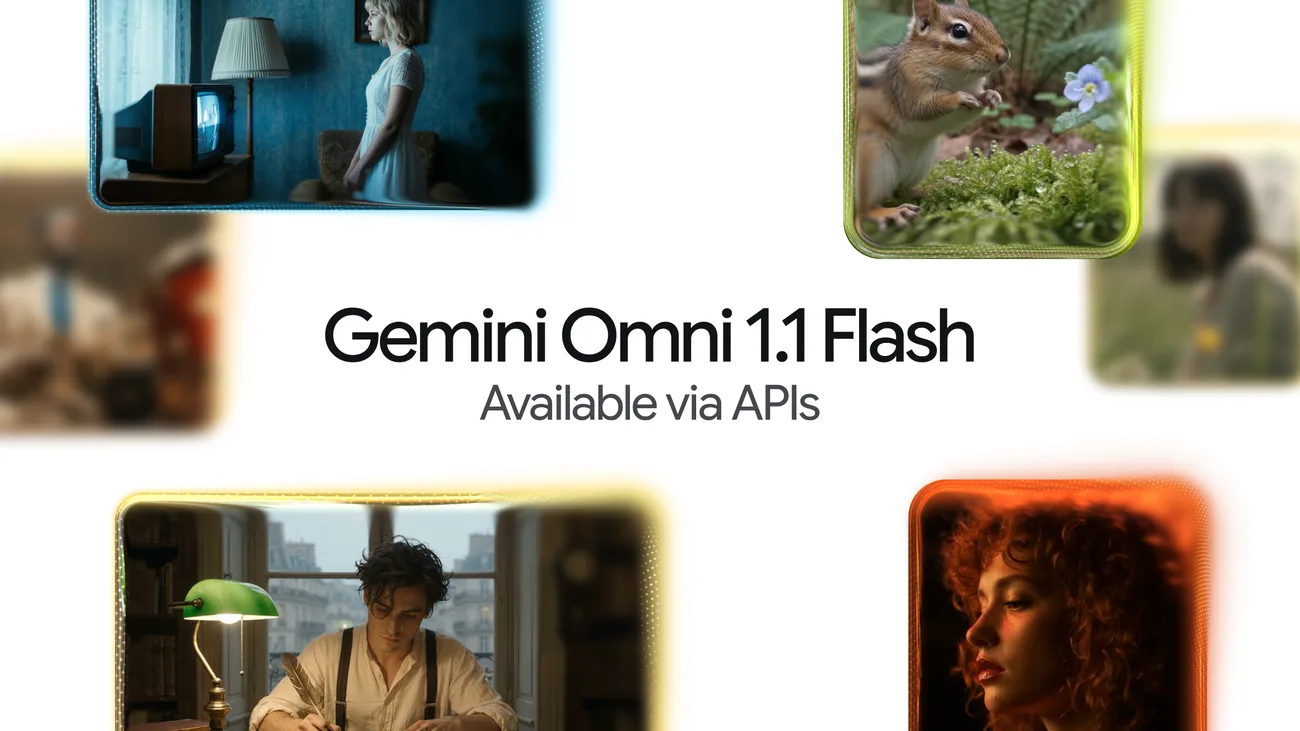
Gemini Omni 1.1 Flash extends a shot to forty seconds and drafts it in 360p first

Google's video model can now continue an existing clip in ten-second steps up to forty seconds total, reading up to ten seconds of prior footage instead of only the final second. A 360p draft mode runs up to 60 percent faster at a third of the cost, and finished work upscales to 1080p or 4K.

Googleverified

Modelsstrong signal

Gemini 3.7 Flash, read from Google's own numbers

Google shipped it on August 13, 2026, 23 days after Gemini 3.6 Flash, with large gains on coding and agent benchmarks and an introductory price it labels as such. All of that holds. Four things are visible only if you open the model card instead of the launch post, and one of them is a score that went down.

Googleverified

Modelsmedium signal

Gemma passes a billion downloads and 100,000 derived models

On August 20, Google announced that the Gemma family of open models has passed a billion downloads. In two years the community has published more than 100,000 derived models, and the most recent Kaggle competition drew more than 1,600 entries. An Awesome Gemma repository launched with the announcement, meant as an index of vetted projects, fine-tuned models, tutorials, and tools. The figure matters to someone building sites too, because a model you run on your own server stops being exotic, which makes text processing without sending data to a third party workable.

Googleverified

Web & searchmedium signal

Google gives sites a button readers use to name them a preferred source

On August 20, Google published a button a publisher places on its own page, which a reader clicks once to add that site to their preferred sources in Search. The consequence is that the site's pages appear more prominently in Top Stories, in AI Overviews, and in AI Mode. Google says users have chosen more than 600,000 different sources so far. Two reader-side changes arrived with it: tuning topics in the Discover feed through a three-dot menu, and a customizable audio briefing in Google News for Android.

Googleverified

Modelsstrong signal

Gemini 3.7 Flash: half the price and markedly better on code

Google released Gemini 3.7 Flash on August 13, just three weeks after 3.6. The gain on coding benchmarks is large: the DeepSWE v1.1 score rises from 49.0% to 65.3%, and FrontierCode 1.1 from 34.4% to 43.6%. Introductory pricing, in force through the end of 2026, is $0.75 per million input tokens and $3.75 per million output tokens — half what its predecessor launched at. The model is available through the Gemini API, in AI Studio, Android Studio, and Antigravity, and in Spark for AI Pro and Ultra subscribers.

9to5Google / Googleverified

Assistants & appsmedium signal

Gemini Spark takes over desktop Chrome

Google's agent can now drive the desktop version of Chrome, using accounts you are already signed in to and passwords saved in the browser. It books property viewings, prepares flight searches, and fills in forms, handing the task back to the user to finalize a payment, accept terms, or create an account. This is the same pattern that has settled in with Claude and the rest: the agent does everything up to the step that cannot be undone, and a person confirms that step.

Googleverified