Skip to content

Tags

Hardware

10 items
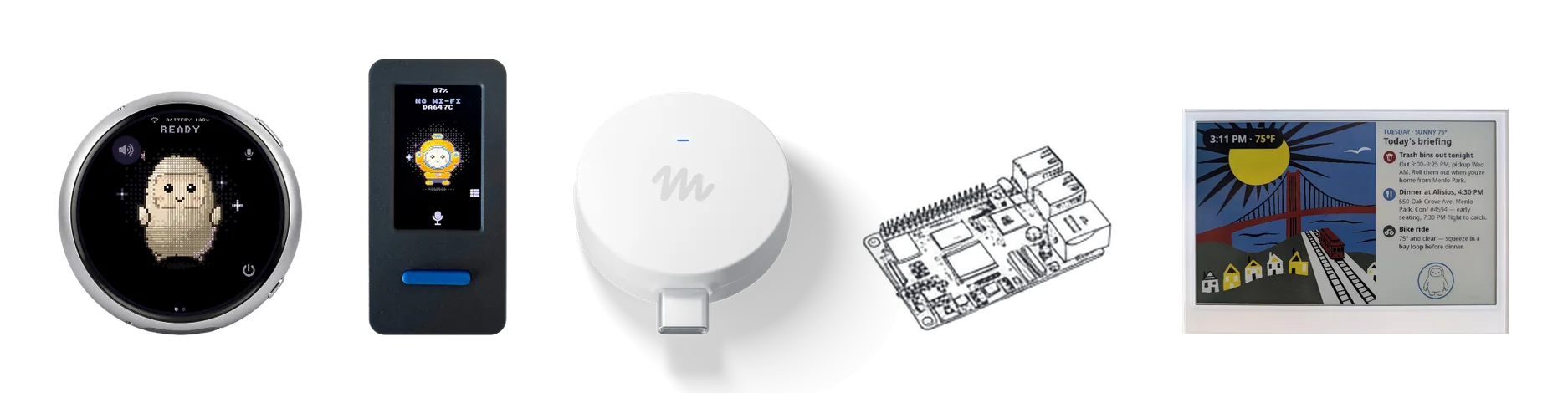
Five Muse gadgets from Meta's repository: a round AMOLED board and a small stick device showing pixel avatars, the white Muse Home Link, a line drawing of a Raspberry Pi, and an e-ink display with a daily briefing.
Connectorsmedium signal

Meta open-sources Muse Gadgets, which lets its Muse agent run shell commands on a Raspberry Pi

Meta published the Muse Gadgets repository on October 2, 2026, under the Apache 2.0 license. It contains firmware for ESP32 boards and a Linux device SDK that turns a Raspberry Pi into a device its Muse agent can operate. On Linux, Muse runs shell commands with the permissions of the account you install it for, including sudo if that account has it. Meta's documentation says pairing has no manufacturer verification and cannot prevent an active man-in-the-middle attack.

Metaverified
NVIDIA Open Agent Safety Platform
Agentsmedium signal

Nvidia ships an open-source sandbox for agents and a hardware watchdog that quarantines them

Nvidia announced the Open Agent Safety Platform on September 28, 2026. It pairs OpenShell, an open-source runtime under the Apache 2.0 license that confines an agent's file, process, and network access, with Sentry, a watchdog that runs on BlueField-4 data processing units and, according to Nvidia, stops an agent that leaves its boundary within milliseconds. Anthropic, Microsoft, Hugging Face, Salesforce, SAP, and OpenClaw are among the organizations Nvidia lists.

NVIDIA Newsroomverified

CapCut on the Googlebook
Machines & local modelsmedium signal

Googlebook opens at $899 with a certified hypervisor under its Linux terminal

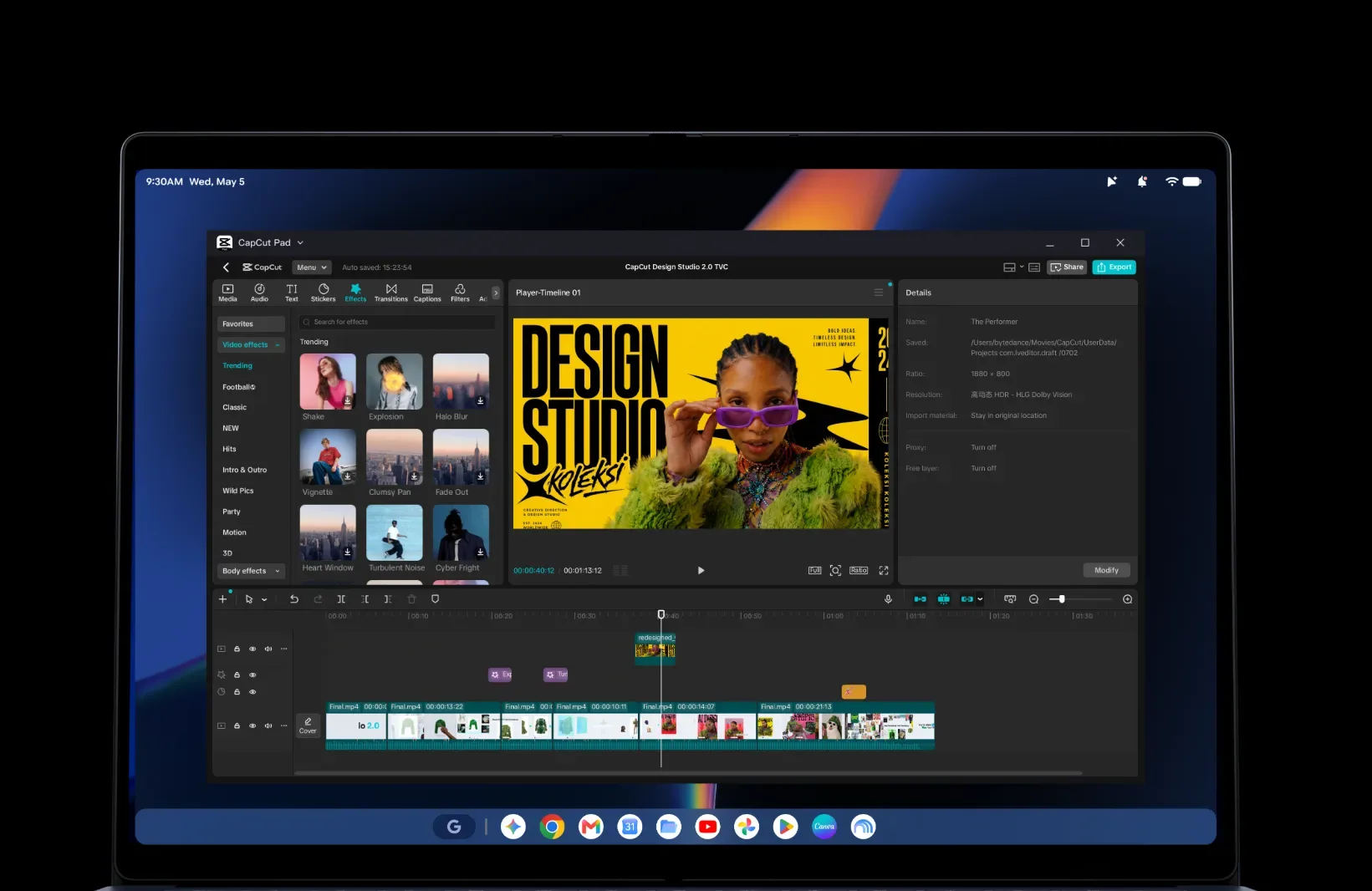
Google opened pre-orders for Googlebook on September 21, 2026, with prices starting at $899 and shipping from October 4, 2026. The laptops run an Android-based system with desktop foundations from ChromeOS, on Intel and Qualcomm chips paired with NPUs rated at over 45 TOPS. For anyone who writes code, the notable part is not the assistant features but a pKVM hypervisor with a Level 5 security certification, which powers an isolated Linux environment with full terminal access. Neither announcement says which Gemini features run on the device and which run in the cloud.

Googleverified

Machines & local modelsstrong signal

Apple claims 4.3x faster AI on Mac Studio, and the 512GB configuration arrives in late October

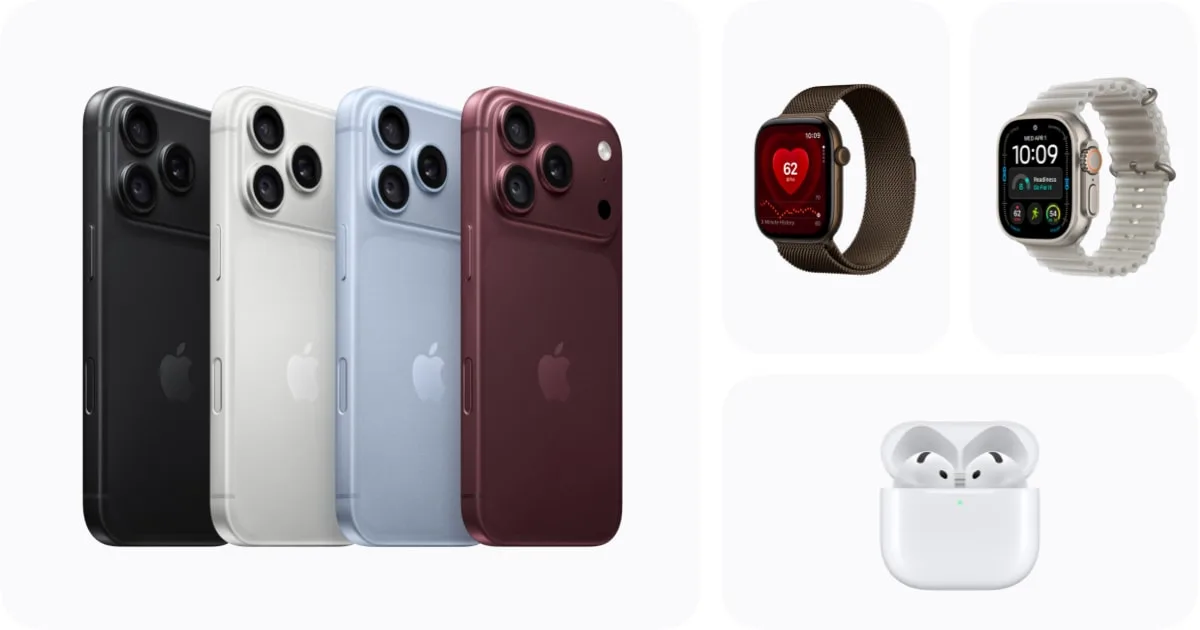
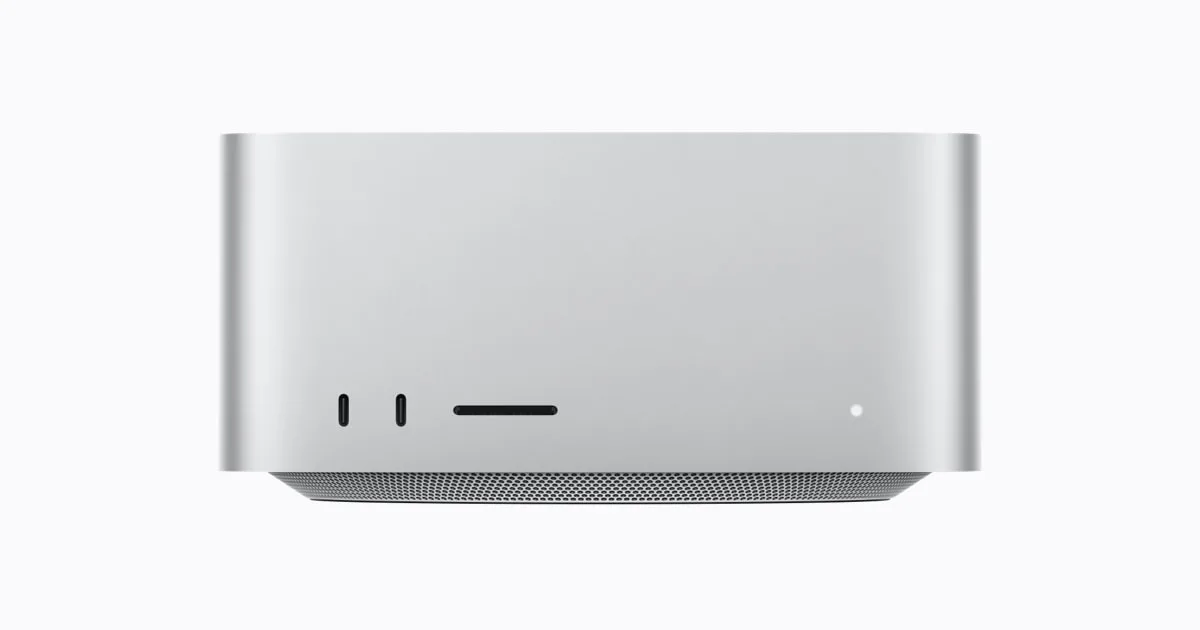
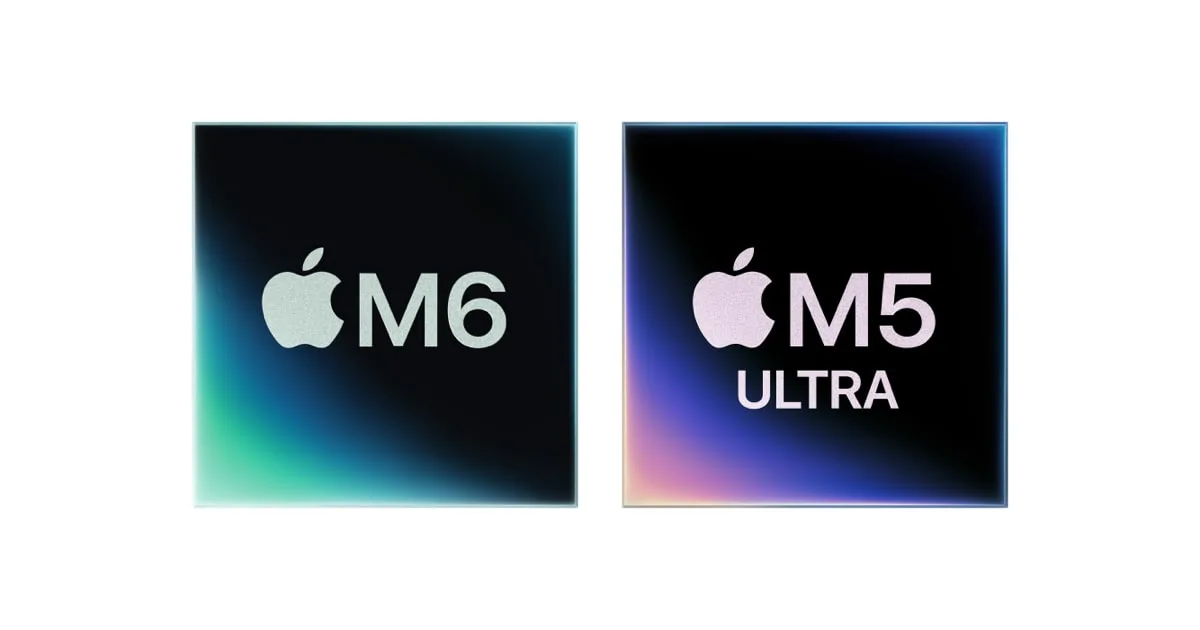
Mac Studio with M5 Max and the all-new M5 Ultra reaches stores on September 22, 2026, and Apple puts its AI performance at up to 4.3x the previous generation, measured in July 2026 against a machine with M3 Ultra. The configuration that decides how large a local model can be, 512GB of unified memory at up to 1.2TB/s, sits in a footnote: it comes in late October. On the software side the new Siri AI ships in beta, in English to start, and will not be available in the EU on iOS, iPadOS or watchOS at launch. Apple Intelligence features that run on server-side models also have daily usage limits, and Apple says wider access to them will be sold for a fee later.

Appleverified

Machines & local modelsstrong signal

NVIDIA's free PAIR beta sends local inference to whichever machine on your network is free

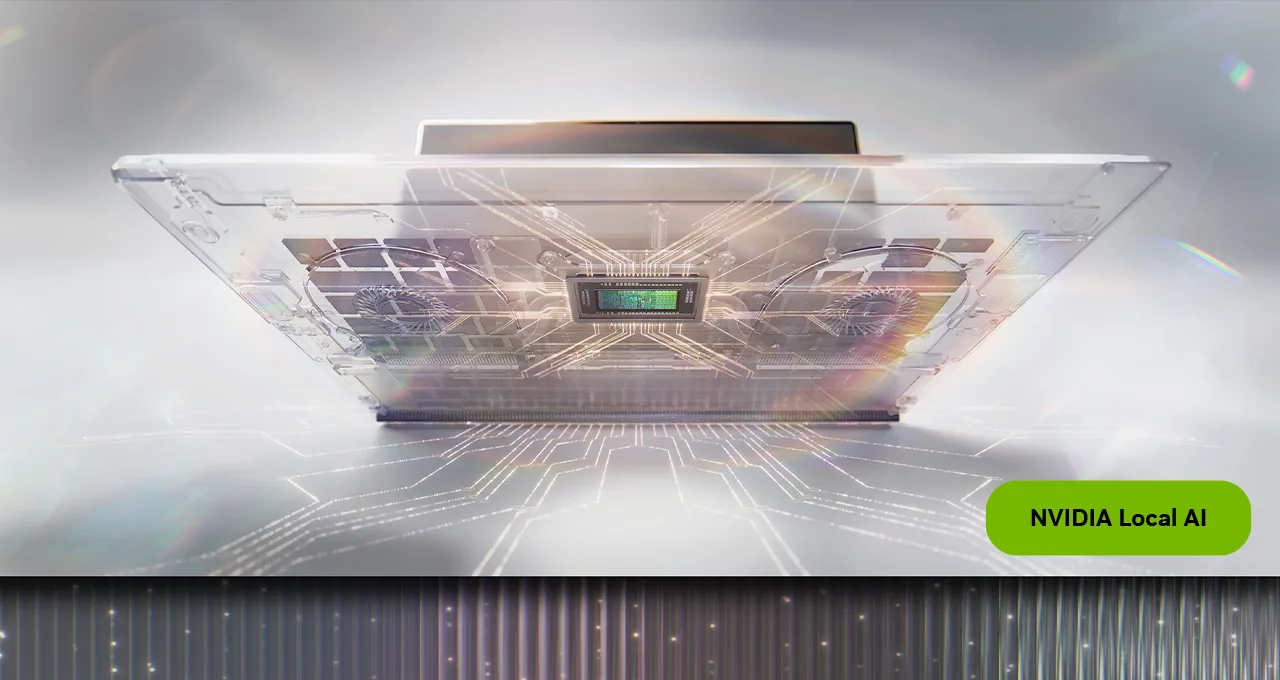
NVIDIA published the Personal AI Router at IFA 2026 on September 3, 2026. It is a free, open source tool for Windows, macOS, and Linux that finds compatible machines on your local network and routes each independent inference request to one that has capacity, so parallel agent subtasks stop queueing behind a single GPU. It works with Ollama and LM Studio, and supports GeForce RTX 20 Series and newer, RTX PRO workstation cards, DGX Spark, and Apple M4 silicon. What it does not do is pool memory, so a model that does not fit on one machine still does not fit.

NVIDIAverified

Machines & local modelsmedium signal

llama.cpp spent two days on long context, and the gains landed on three different backends

Between August 29 and 31, 2026, llama.cpp shipped a run of changes that all point at the same place: the part of inference that gets slower as the context grows. Vulkan, CUDA and the Metal and OpenCL paths each got their own fix, with numbers the authors published. Three crashes were closed alongside them. None of it needs a flag; it arrives with the next build.

llama.cppverified

Agentsstrong signal

Anthropic previews a standard that lets agents drive laboratory hardware

The Model Hardware Standard gives an agent one driver format for microscopes, liquid handlers and robotic arms, cutting integration work that used to take weeks down to hours or minutes. It is model-agnostic and reachable over the Model Context Protocol, but for now it is open only to selected labs and manufacturers, by application.

Anthropicverified

Machines & local modelsstrong signal

Memory sets what you can run locally, and price per token sets whether you should

A local model has one hard requirement before speed, quality or license enter the discussion: the weights have to fit in memory. That turns the machine question into arithmetic you can do on paper, and Apple's August 25 desktops give you three price points to do it against — $899 for a 32GB ceiling, $2,499 for 128GB, $5,499 for 512GB. This guide works through what fits where, which runner to use, what each size class is good for, and how many tokens it takes before a machine beats paying by the token.

Apple, OpenRouter, DeepSeekverified

Machines & local modelsstrong signal

Apple priced the memory, and memory is what a local model actually costs

The new Mac Studio goes to 512GB of unified memory at $5,499, though that configuration does not arrive until late October; the new Mac mini stops at 32GB and starts at $899. For anyone running models on their own machine, that gap is the whole product line, and Apple is now selling it that way.

Appleverified