Amazon Bedrock adds a ServiceNow connector and scheduled syncs to its managed knowledge bases
AWS published three changes to Amazon Bedrock Managed Knowledge Base on September 4, 2026. ServiceNow becomes a native data source, so knowledge articles and service catalog items are crawled without a custom ingestion pipeline. SharePoint, OneDrive, and Confluence can now be connected by signing in with your own credentials instead of waiting for an IT-issued service account. Sync scheduling arrives for every native connector, at daily, weekly, or monthly intervals.
Source
Amazon Bedrock Managed Knowledge Base now supports ServiceNow as a native data source connectorAWS What's New — Machine Learning · Original published September 4, 2026
Grounding a model in company documents has three unglamorous parts: getting the documents out of the system that holds them, proving you are allowed to, and doing both again next week. AWS shipped one change for each of the three on September 4, 2026, all of them to Amazon Bedrock Managed Knowledge Base.
ServiceNow becomes a native source
ServiceNow is now a native data source connector rather than something you write yourself. It crawls knowledge articles and service catalog items, file attachments included, and AWS says it handles crawling, metadata extraction, and incremental sync automatically. The scope can be narrowed with sys ID inclusion lists, or by naming particular knowledge bases, article categories, or service catalogs.
Which internal system holds the answers decides how useful this is. For an organization where the IT helpdesk, the HR procedures, and the request catalog all live in ServiceNow, this connector removes the piece of work that usually delays an internal assistant by a quarter.
- Knowledge articles and service catalog items are crawled, including file attachments.
- Crawling, metadata extraction, and incremental sync run without custom code.
- Scope is limited by sys ID inclusion lists or by naming knowledge bases, categories, and catalogs.
Signing in without waiting for IT
The second change is smaller on paper and larger in practice. For SharePoint, OneDrive, and Confluence, AWS introduced a user-managed setup: you sign in with the third-party credentials you already have, and Bedrock handles the authentication from there. The previous route ran through an administrator generating service account credentials.
Service account authentication has not gone away. AWS keeps it for enterprise production environments, which is the sensible split: a person's own sign-in is fine while a team is finding out whether the idea works, and wrong once the pipeline has to survive that person leaving.
Daily, weekly, monthly, and what is still unsaid
Automatic sync scheduling now covers every native data source connector, at daily, weekly, or monthly intervals. Until now a recurring refresh meant a manual trigger or a scheduler someone built and then maintained. AWS gives three examples of matching the interval to the source, from a support knowledge base that changes constantly to reference material that barely moves.
None of the three announcements names the regions where any of this is available, and none of them mentions price. That is normal for a What's New post and still worth registering: an assistant that crawls a company's whole ServiceNow instance daily is not obviously free, and the announcements do not say what it costs.
- Daily, for a support knowledge base in Confluence that changes constantly.
- Weekly, for policy documents in SharePoint that update periodically.
- Monthly, for reference material stored in Amazon S3.
„You simply sign in with your existing third-party credentials.“
Sources
Related

The same SSRF bug turned up in MCP servers at Google, JPMorgan, and two governments
An independent researcher reported one class of server-side request forgery to five organizations that share no code, and all five confirmed and fixed it. Google's MCP Toolbox for Databases carried a high-severity CVE until version 1.5.0. Five US federal servers are still open. If you run an MCP server with any tool that fetches a web address, the four checks at the end apply to you.
Ars Technicaverified

Meta open-sources Muse Gadgets, which lets its Muse agent run shell commands on a Raspberry Pi
Meta published the Muse Gadgets repository on October 2, 2026, under the Apache 2.0 license. It contains firmware for ESP32 boards and a Linux device SDK that turns a Raspberry Pi into a device its Muse agent can operate. On Linux, Muse runs shell commands with the permissions of the account you install it for, including sudo if that account has it. Meta's documentation says pairing has no manufacturer verification and cannot prevent an active man-in-the-middle attack.
Metaverified
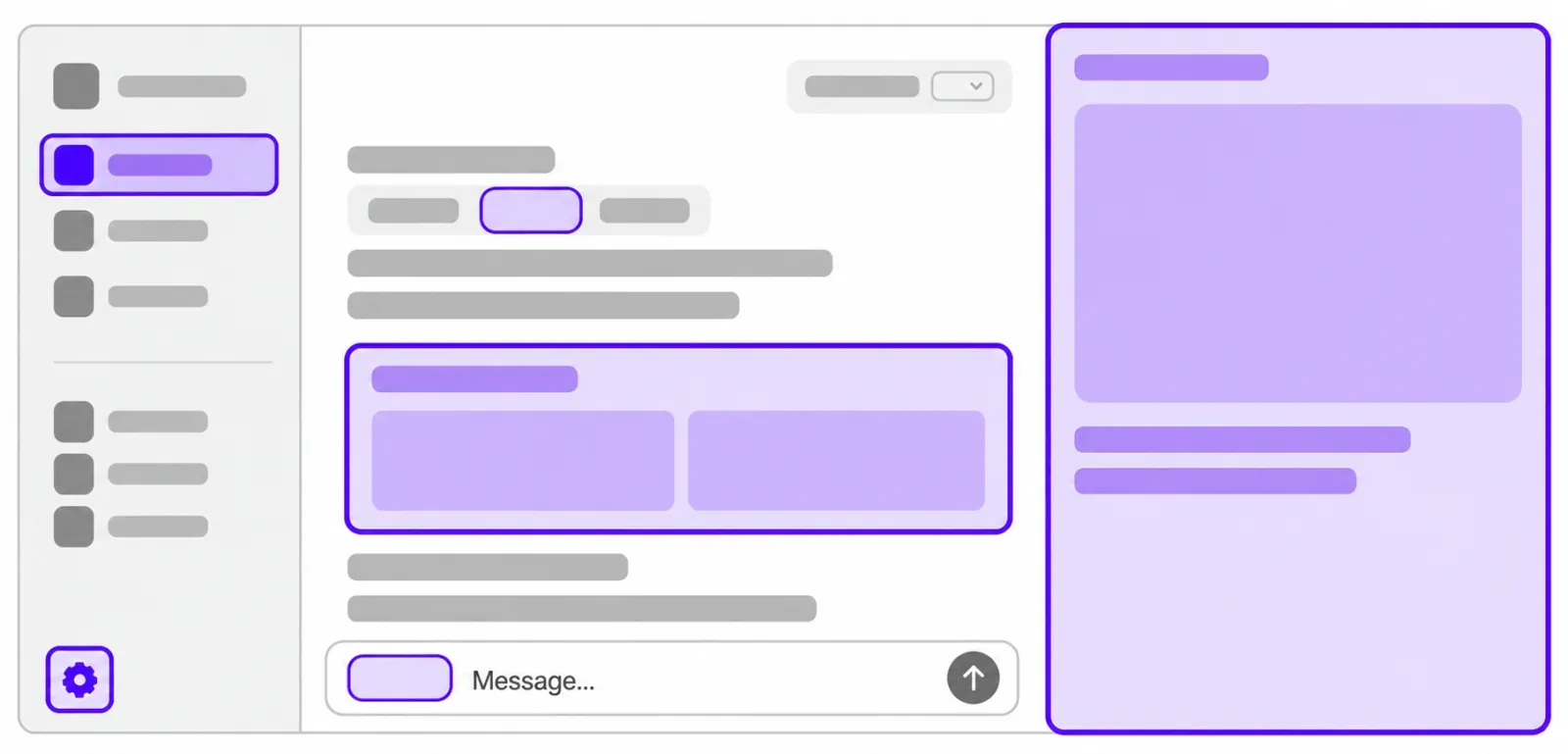
ChatGPT plugins can now run as sidebar apps and react to events from connected tools
OpenAI opened the interface layer it uses for its own ChatGPT features to outside developers. A plugin can now claim a place in the sidebar, open a panel beside a conversation, and act as the viewer for its own file types. A separate MCP Events integration lets a plugin start an automation when something happens in a connected app, which requires MCP 2.0 and webhook delivery. Sign in with ChatGPT lets a Plus or Pro allowance be spent in 16 partner tools.
OpenAIverified