Node.js security releases fix 16 vulnerabilities, one of which can expose TLS private keys
The Node.js project shipped security releases for all three supported lines on November 11, 2026. Seven of the flaws are rated high, and most of them affect servers that use HTTP/2 or TLS. Chris Rohlf, working with Claude and Anthropic Research, reported five of them.
Source
Wednesday, November 11, 2026 Security ReleasesNode.js Blog · Original published November 11, 2026
Node.js 26.13.1, 24.22.3, and 22.23.5 came out on November 11, 2026, one for each release line the project still maintains. Together they fix 16 vulnerabilities: seven rated high severity, six medium, and three low. The most serious ones let a remote client with no credentials crash a server, tie up its memory, or read memory that belongs to other connections.
What the high-severity flaws allow
The flaw with the widest reach is CVE-2026-123864, in HTTPS. According to the project's advisory, an unauthenticated client can read memory belonging to other connections, including TLS private keys and other users' requests. A TLS private key is the secret a server uses to prove its identity in an encrypted connection. The attack needs a handler that calls res.flushHeaders() before the request body ends and later calls res.end() with a non-empty chunk, plus a route that echoes or stores the body. Plain node:http is not affected, and all three lines are.
Most of the other high-severity fixes are in HTTP/2. One flaw lets any client crash a default HTTP/2 server whose handler responds before the request body has ended, a pattern the advisory calls typical. Another lets a client trigger a protocol error while a connection is shutting down and keep the server's memory and file descriptors tied up indefinitely. Two more involve memory that is freed while still in use. One can send other connections' response data to the peer, and the other corrupts memory on servers that send files with respondWithFile().
Two high-severity fixes are in TLS. The first closes a bypass of client certificate authentication: on a server that applies different certificate rules per hostname, a client could renegotiate a TLS 1.2 connection under another hostname and carry its authentication to the stricter host. The second stops a remote attacker without credentials from crashing TLS servers that use hooks such as SNICallback.
Other fixes and who reported them
Among the medium-severity fixes, CVE-2026-123871 stops Node.js from writing proxy credentials into the text of ERR_PROXY_INVALID_CONFIG errors. An earlier fix had redacted them but missed four error paths, so a username and password could end up in container logs or crash reports. CVE-2026-123877 closes a case in which https.Agent reused a TLS session approved under the default trust store for a request that had set a stricter certificate policy.
Two of the three low-severity fixes concern the Permission Model, the Node.js feature that limits which files a process may read or write. The releases also update three bundled dependencies: llhttp on all three lines, undici on 24.x and 26.x, and sqlite on 22.x and 24.x.
Chris Rohlf, working with Claude and Anthropic Research, is credited with 5 of the 16 reports, including the HTTPS flaw that exposes other connections' memory. The advisory adds that versions past end of life are always affected when a security release comes out.
Sources
Once a week, in your inbox
The whole week's news, gathered into one email. No ads, no passing your address on, one-click unsubscribe.
The address is used only for this roundup. It is not sold and not passed to anyone.
Related
GitHub will bill organizations for Copilot code review by default starting December 30
GitHub said on November 25, 2026, that Copilot code review for licensed members will be billed to the organization that owns the repository whenever no billing choice has been saved. The change applies to Copilot Business and Copilot Enterprise. Administrators who want to keep the current arrangement have to select Member before December 30, 2026.
GitHub Changelogverified
OpenClaw 2026.11.10 turns on Deep Research by default and lets users take over the agent's browser
OpenClaw's new release includes Deep Research, which looks through several sources and returns a report with quotes and gaps marked. It is on by default and uses the models the user has already set up. A second addition lets a user take over a browser tab during a sign-in, although the agent can still capture the page. The optional Knowledge plugin stores memory in local Markdown files.
OpenClawverified
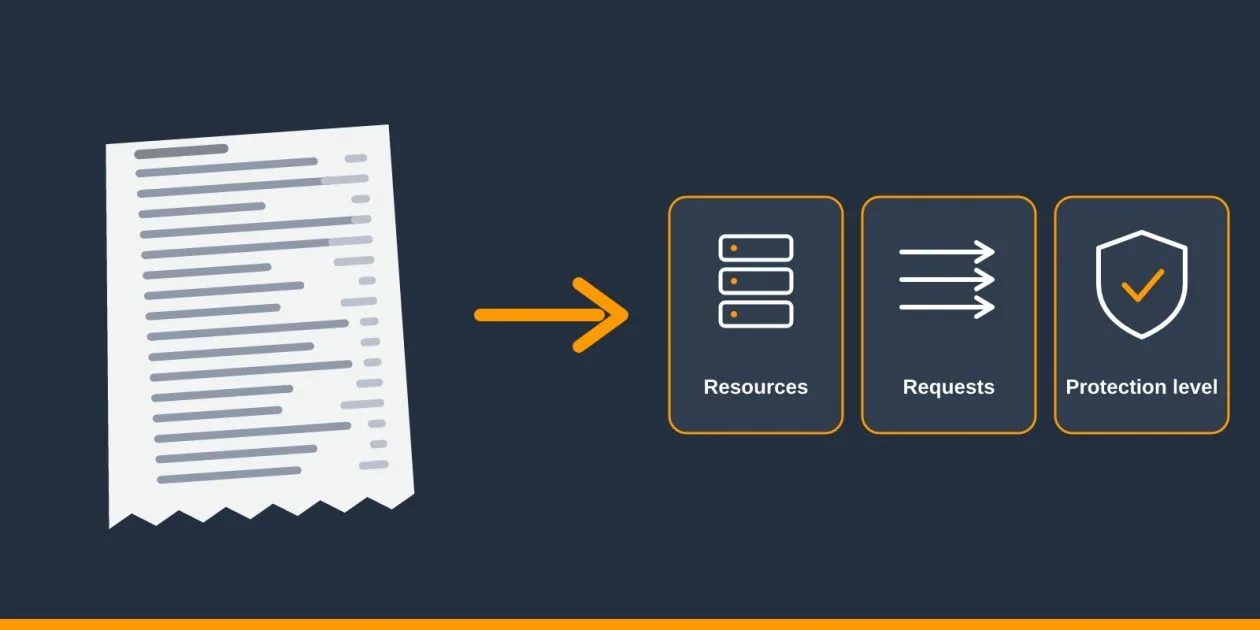
AWS WAF will bill each protected resource from February 2027 and drop its fees for rules
Amazon is changing how it charges for AWS WAF, the firewall that filters traffic to web applications. Rules and rule sets become free, while every protected resource gets an hourly fee. Sites with many rules on a few resources stand to pay less, and companies that cover many resources with one rule set can pay several times more.
AWSverified