OpenAI will open applications for 50,000 free ChatGPT Plus research grants on November 23
OpenAI is expanding ChatGPT for Academic Researchers, its program of free ChatGPT access for scientists. The next round opens on November 23, 2026, and grants go to the first eligible applicants rather than by lottery. One grant covers ChatGPT Plus for the recipient and up to two collaborators. China and Hong Kong are the only regions excluded.
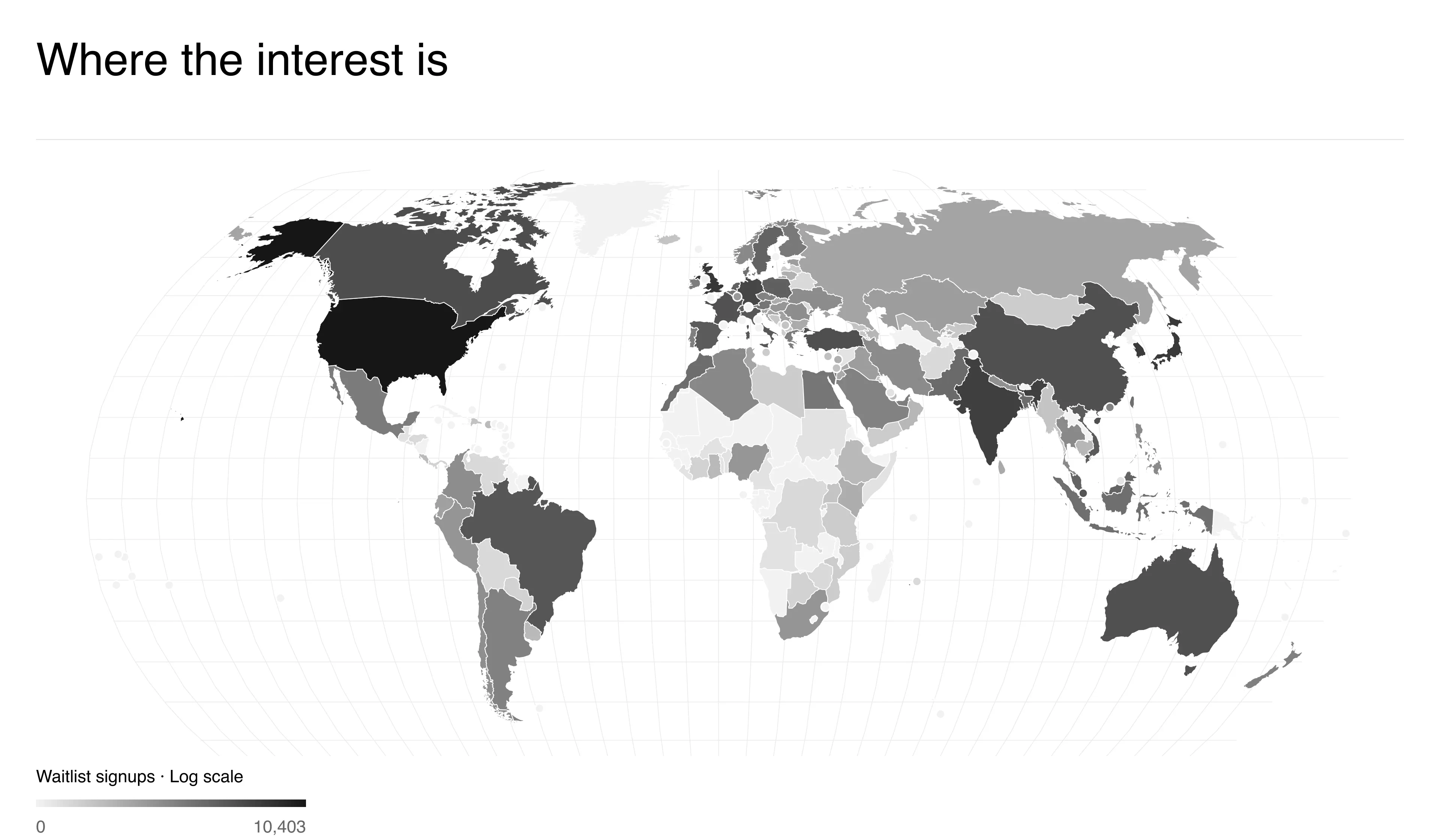
OpenAI announced on November 16, 2026, that it is expanding ChatGPT for Academic Researchers, a program that gives scientists free access to ChatGPT. The next round will award 50,000 grants, each covering ChatGPT Plus for a researcher and up to two collaborators, or up to 150,000 people in total. The company's goal for the whole program is 200,000 researchers worldwide.
How the grants are awarded
The pilot round, which started in July 2026, chose participants by lottery. For the new round, OpenAI is switching to first come, first served: the first 50,000 applications that meet the eligibility requirements receive a grant. Applications open on November 23, 2026. Researchers already on the waitlist who qualify will get an email with activation instructions before then.
The plan on offer is also smaller than in the pilot. Pilot participants received ChatGPT Pro, while new grants cover ChatGPT Plus. According to OpenAI, a review of pilot usage showed that most participants would have stayed within the Plus usage limits. The company says the switch lets it extend access to more research teams.
Who can apply
OpenAI's comparison page for research plans lists research faculty and postdoctoral researchers as eligible, in all regions except China and Hong Kong. Applicants need a qualifying publication, such as an arXiv, bioRxiv, or ChemRxiv paper from the past three years. These are services where papers are posted before peer review. OpenAI verifies each applicant's identity and academic status.
A grant runs for 12 months and does not include API credits, so it covers the ChatGPT app but not programmatic access to the models. The same page says that final eligibility and collaborator rules for the new round are still to be confirmed. OpenAI also says that, by default, it does not use data shared through the program to train its models.
What the pilot showed
OpenAI says 20,000 researchers in 33 countries have joined since the pilot began. Alongside the announcement, its economic research team published a study of how more than 1,800 researchers used ChatGPT during the summer pilot. Surveyed participants estimated that the same work at the same quality would have taken nearly twice as long without AI. The figure is their own estimate, not a measured result.
Sources
Once a week, in your inbox
The whole week's news, gathered into one email. No ads, no passing your address on, one-click unsubscribe.
The address is used only for this roundup. It is not sold and not passed to anyone.
Related

Meta brings its Muse agent to the UK, with AI training on interactions switched on by default
Meta's personal AI agent is now open to UK adults on phones, the web, and WhatsApp. It is free, with paid plans whose prices the announcement does not give. A setting that lets Meta use interactions with Muse to develop its AI is on from the start, and users can turn it off.
Metaverified
Claude can now install artifacts as Mac and Windows apps, and some can ask for full access
Anthropic has begun rolling out a beta that turns a Claude artifact into an app with its own window and icon. It covers macOS and Windows on plans from Free to Enterprise. With the user's permission, an app can show notifications, sit in the menu bar, or get full access to the computer. Anthropic says it does not review the apps before installation.
Anthropicverified
GPT-6.2 arrives in ChatGPT's Chat tab for Plus, Pro, Business, and Enterprise plans
Paid ChatGPT plans are getting a version of GPT-6.2 tuned for everyday conversation. OpenAI reports large gains in understanding images and following instructions, all from its own tests. The system card published the same day also shows a step back: the model sticks to its default behavior more often when a user asks for something else.
OpenAIverified