VS Code will remove the Local harness for Copilot agent sessions in February 2027
Visual Studio Code 1.146 deprecates the Local harness, the older component that runs GitHub Copilot agent sessions in the editor, and removes it in February 2027. Its replacement, the Copilot harness, has been the default for new sessions since version 1.143. The same day, GitHub gave enterprise administrators a setting that limits Copilot customizations to plugins and managed settings.
Source
VS Code retires the Local harness in February 2027GitHub Changelog: Copilot · Original published November 16, 2026
GitHub said on November 16, 2026, that Visual Studio Code 1.146 deprecates the Local harness and that the component will be removed in February 2027. The Local harness is the older software that coordinates the model, the context, and the tools for GitHub Copilot agent sessions in the editor. Its replacement, the Microsoft Copilot harness, is built into VS Code and has been the default for new sessions since VS Code 1.143. Anyone who still works through the Local harness has about three months to move.
The switch does not move work to the cloud. Agent commands keep running on the developer's own machine, and choosing the Copilot harness does not upload any files. During the three-month transition, the Local harness stays available where the organization's policy allows it, but GitHub says new features will go to the Copilot harness.
Plans do not change either. People who reach models through GitHub Copilot keep their current plan, including Copilot Free, although individual features depend on the plan, the settings, and the organization's policy.
What the Copilot harness is
The Copilot harness is built on the Copilot SDK and shares its coding-agent runtime with Copilot CLI and the GitHub Copilot app. A session can therefore continue between the editor and the Agents window in VS Code, as long as the Agent Host process keeps running. Tools that the editor itself provides still need a connected editor.
According to GitHub, the new harness adds four things the old one lacks:
- Copilot Fusion can choose models and, on supported tiers, split a task into drafting and review.
- Assisted permissions cut down on approval prompts, while calls that the risk assessment does not approve still go to the user.
- Copilot connectors bring in context from a team's services without a hand-configured MCP server; they are in preview.
- Canvases, also in preview, add task boards and interactive diagrams.
What developers and administrators have to check
A developer moves by starting a new session in VS Code and selecting Copilot under Session Target. Switching harnesses does not convert every customization automatically, so custom setups need a review before February 2027.
Administrators get one warning that is easy to miss. The temporary enterprise-managed setting vscode.temporaryDefaultToLocalHarness will be removed together with the Local harness, so an organization that keeps the exception configured will not keep the old harness. The Copilot harness also lets administrators enforce managed runtime permissions and sandbox restrictions that the Local harness cannot enforce. Those controls are configured separately, because selecting the Copilot harness does not turn sandboxing on.
Customizations only from plugins
Enterprise administrators can now require selected Copilot customizations to come from plugins or managed settings instead of a user's or a project's own configuration. The managed setting strictPluginOnlyCustomization blocks those standalone sources. It applies to skills, custom agents, hooks, MCP servers, and executable Copilot extensions, either all together or one category at a time. Extensions here mean executable canvas providers, not VS Code Marketplace extensions.
The setting is not a marketplace allowlist, and it does not limit plugins to those the enterprise manages. To restrict which marketplaces count, GitHub tells administrators to pair it with strictKnownMarketplaces. The controls are configured on GitHub Enterprise Cloud for members whose Copilot Business or Copilot Enterprise license comes from the enterprise or one of its organizations.
Three models left Copilot as announced
On November 16, 2026, GitHub also retired Claude Opus 4.8, Claude Opus 5, and GPT-5.6 Terra from most Copilot experiences, as it had announced on October 15. Claude Opus 4.8 stays available to individual subscribers on annual plans. Claude Opus 5 is gone from the model picker but still serves as a fallback when a running model refuses a request, through existing authorized access. The suggested replacement for both Claude models is Claude Opus 5.5, and for GPT-5.6 Terra it is GPT-6.1 Sol or GPT-6 Luna.
„Choosing the Copilot harness doesn’t move your files to the cloud.“
Sources
Once a week, in your inbox
The whole week's news, gathered into one email. No ads, no passing your address on, one-click unsubscribe.
The address is used only for this roundup. It is not sold and not passed to anyone.
Related
GitHub will bill organizations for Copilot code review by default starting December 30
GitHub said on November 25, 2026, that Copilot code review for licensed members will be billed to the organization that owns the repository whenever no billing choice has been saved. The change applies to Copilot Business and Copilot Enterprise. Administrators who want to keep the current arrangement have to select Member before December 30, 2026.
GitHub Changelogverified
OpenClaw 2026.11.10 turns on Deep Research by default and lets users take over the agent's browser
OpenClaw's new release includes Deep Research, which looks through several sources and returns a report with quotes and gaps marked. It is on by default and uses the models the user has already set up. A second addition lets a user take over a browser tab during a sign-in, although the agent can still capture the page. The optional Knowledge plugin stores memory in local Markdown files.
OpenClawverified
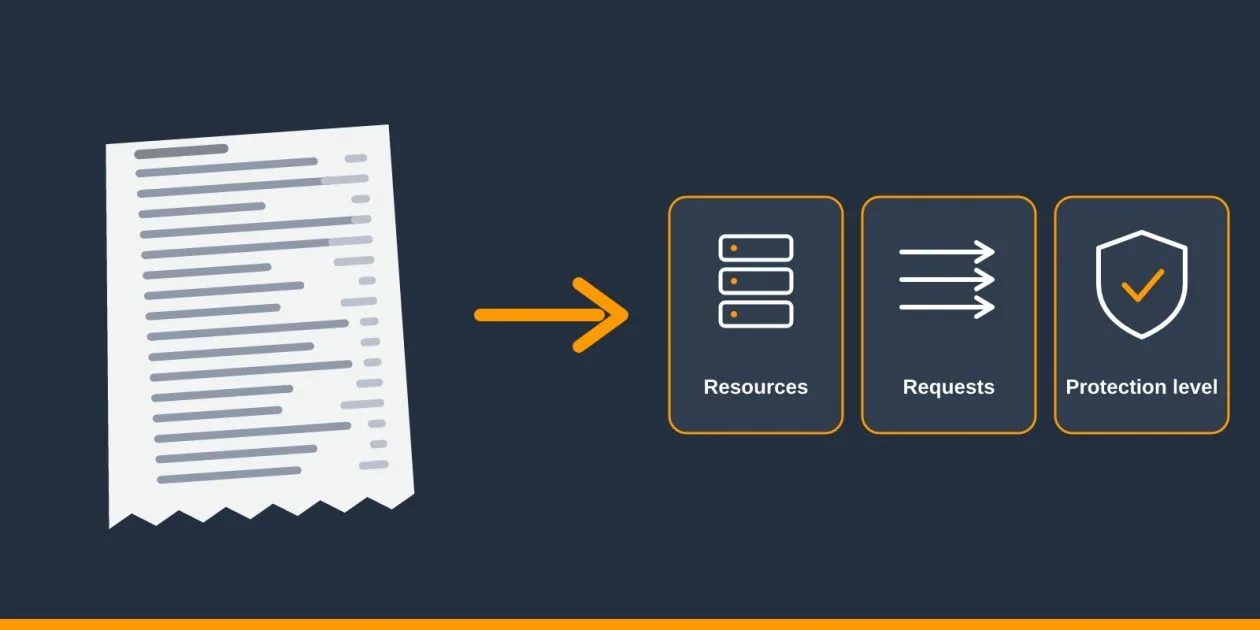
AWS WAF will bill each protected resource from February 2027 and drop its fees for rules
Amazon is changing how it charges for AWS WAF, the firewall that filters traffic to web applications. Rules and rule sets become free, while every protected resource gets an hourly fee. Sites with many rules on a few resources stand to pay less, and companies that cover many resources with one rule set can pay several times more.
AWSverified