Skip to content

Tags

Agentic coding

28 items
NEXT.JS 16.4'use cache'recommended for every app, default in new ones
Toolsmedium signal

Next.js 16.4 makes Cache Components the recommended model for every app

Vercel shipped Next.js 16.4 on October 6, 2026. Cache Components, the opt-in caching model built over the 16.x line, is now the recommended choice for every app and the default in new projects. The release adds a way to force a route to stay static, two APIs that keep content out of prefetches, an agent-driven upgrade command, React 19.3, and a smaller Turbopack cache.

Next.js Blogverified
Agentsstrong signal

GitHub Copilot can now control desktop apps and run workflows defined in code

GitHub put two Copilot features into public preview on October 1, 2026. Computer use lets Copilot CLI and the GitHub Copilot app operate desktop applications on macOS and Windows, and it stays off until you turn it on. Dynamic workflows run a multi-agent process that is defined in code, and they are available on all Copilot plans. GitHub's documentation warns that computer use can pick the wrong control and that on-screen content can trigger unintended actions.

GitHub Changelogverified

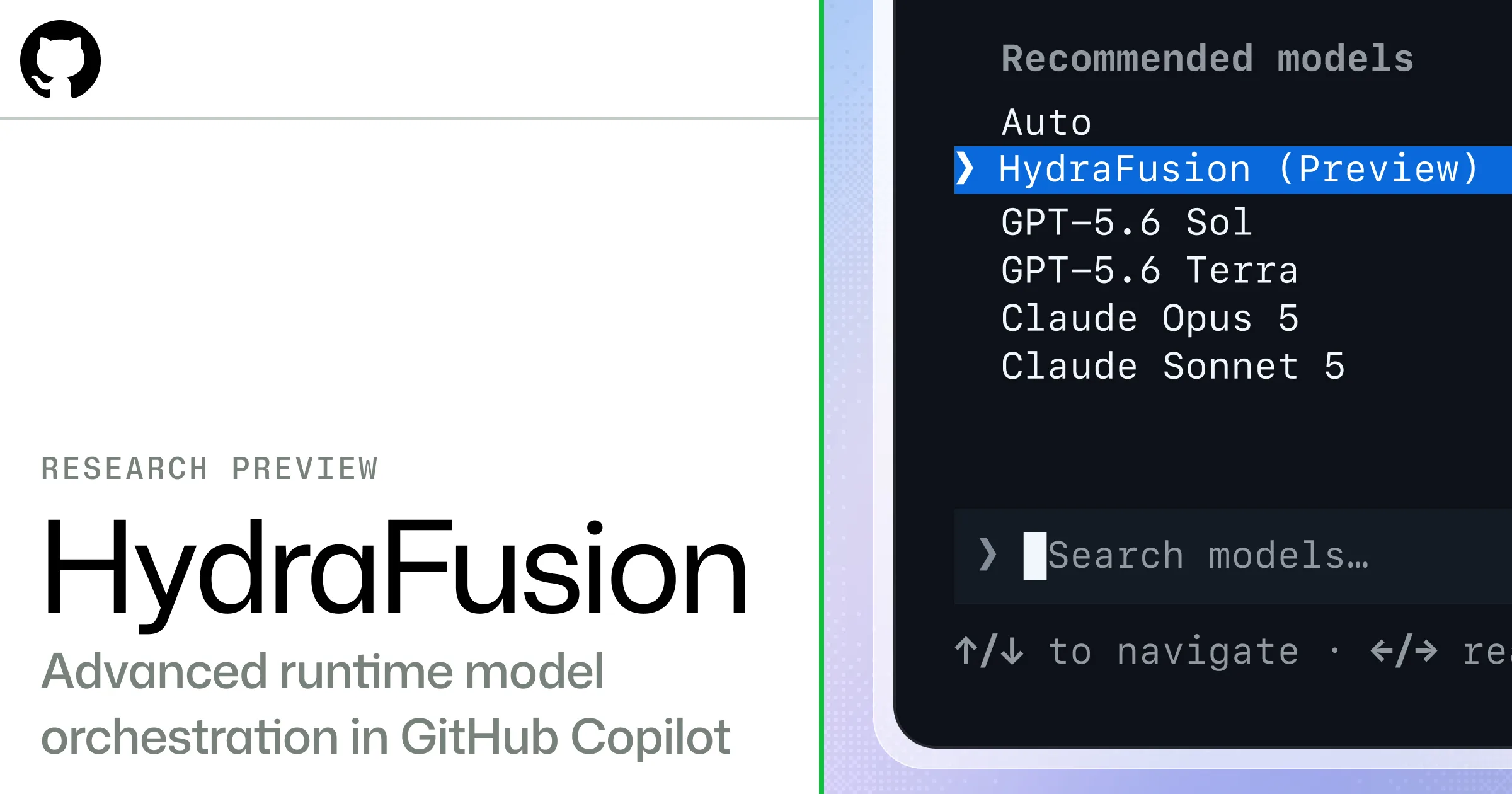
Left, the words Research preview and HydraFusion with the line Advanced runtime model orchestration in GitHub Copilot; right, a dark terminal model picker listing Auto, HydraFusion (Preview) highlighted in blue, GPT-5.6 Sol, GPT-5.6 Terra, Claude Opus 5, and Claude Sonnet 5.
Agentsmedium signal

GitHub Copilot's HydraFusion, which can run two models on one request, reaches VS Code and the Copilot app

HydraFusion sits in the model picker but is not a model. It chooses one of three workflows per request and can hand a task to two models in a row, one drafting and one checking. GitHub moved the research preview from Copilot CLI to Visual Studio Code and the Copilot app on September 30, 2026, for Pro, Pro+, Business, and Enterprise plans. Billing follows the tokens each model consumes, so a request can cost more or less than a single-model one.

GitHub Changelogverified

Agentsstrong signal

Codex gets reusable cloud environments, voice control in the CLI, and repository security scans

OpenAI turned Codex cloud tasks into published environments that a team can reuse, with each task in its own workspace and work continuing while your laptop sleeps. The CLI takes spoken instructions and shows parallel tasks in a new view. Codex Security Cloud scans whole GitHub repositories and prepares fixes in the cloud. The Agents API now drives a computer, and a Bedrock version runs the same agents inside AWS.

OpenAIverified

Modelsstrong signal

Anthropic releases Claude Sonnet 5.5, with input and output tokens at half the Opus 5.5 price

Claude Sonnet 5.5 keeps Sonnet 5's prices: $2 per million input tokens and $10 per million output tokens. That is half of what Opus 5.5 charges, while Anthropic's own benchmarks put the two models within a few points of each other. Code that turns thinking off needs a change before the switch, because the old setting now returns an error.

Anthropicverified

Toolsstrong signal

UpGuard found 16,326 Supabase databases whose tables anyone could read

Security firm UpGuard published a scan of about 300,000 websites that use Supabase on September 25, 2026. It found 16,326 databases that returned readable tables to an outside request, and over half showed signs of personal data. UpGuard ties the problem to apps built by AI coding agents, because tables created through the API do not get Row Level Security by default.

UpGuard Researchverified

Agentsmedium signal

The GitHub Copilot app can now sandbox local sessions, but the setting is off by default

Since September 23, 2026, the GitHub Copilot app can limit what a local agent session reaches on your machine: folders, network access, and Git and GitHub CLI credentials. The feature is in public preview and has to be switched on for each project. A day earlier the app gained OpenTelemetry export for administrators, and Copilot code review settings reached every plan.

GitHub Changelogverified

Modelsstrong signal

Anthropic ships Claude Opus 5.5 and cuts token prices by a fifth

Opus 5.5 charges $4 per million input tokens and $20 per million output tokens, 20% below Opus 5. Cache reads, which dominate the bill for agentic and coding work, fall 60% to $0.20 per million. Anthropic says the model works at the level of Claude Fable 5.1 on most tasks while costing 40% less to run than Opus 5. It also arrives with safeguards that reroute most cybersecurity work to Opus 4.8.

Anthropicverified

Machines & local modelsmedium signal

Googlebook opens at $899 with a certified hypervisor under its Linux terminal

Google opened pre-orders for Googlebook on September 21, 2026, with prices starting at $899 and shipping from October 4, 2026. The laptops run an Android-based system with desktop foundations from ChromeOS, on Intel and Qualcomm chips paired with NPUs rated at over 45 TOPS. For anyone who writes code, the notable part is not the assistant features but a pKVM hypervisor with a Level 5 security certification, which powers an isolated Linux environment with full terminal access. Neither announcement says which Gemini features run on the device and which run in the cloud.

Googleverified

Agentsmedium signal

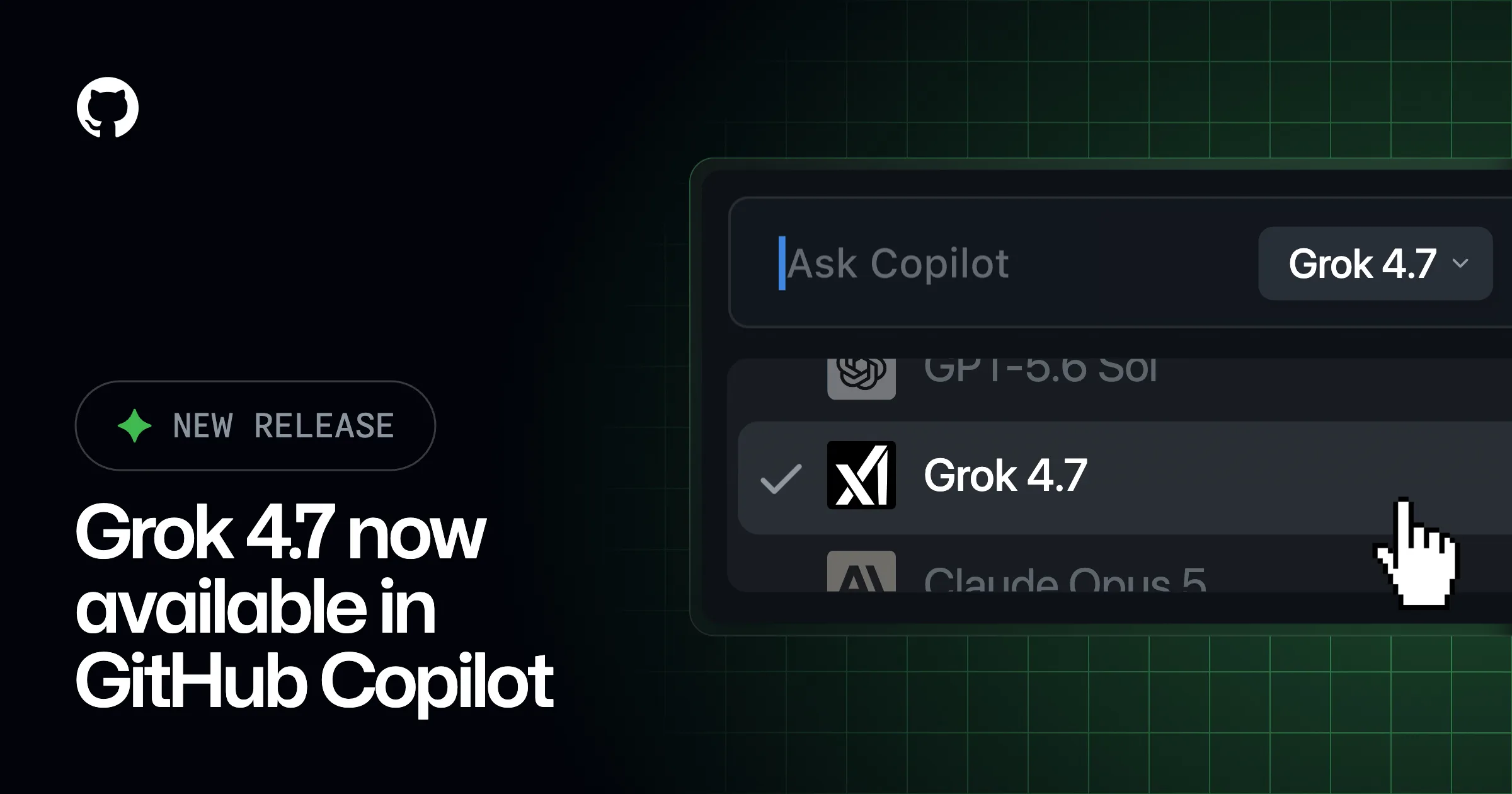
GitHub puts Grok 4.7 in Copilot at the same rate it charges for 4.6

GitHub started rolling out Grok 4.7 in Copilot on September 21, 2026. The model is billed at provider list pricing under usage-based billing, and the documentation puts it at $2.00 per million input tokens and $6.00 per million output tokens below 200K of context, exactly what Grok 4.5 and 4.6 cost in the same table. It reaches Copilot Pro, Pro+, Max, Business and Enterprise, and the model picker in eight places, from Visual Studio Code to Eclipse. For a company on Business or Enterprise, a new model switches itself on unless an administrator has already turned the default off.

GitHubverified

Connectorsmedium signal

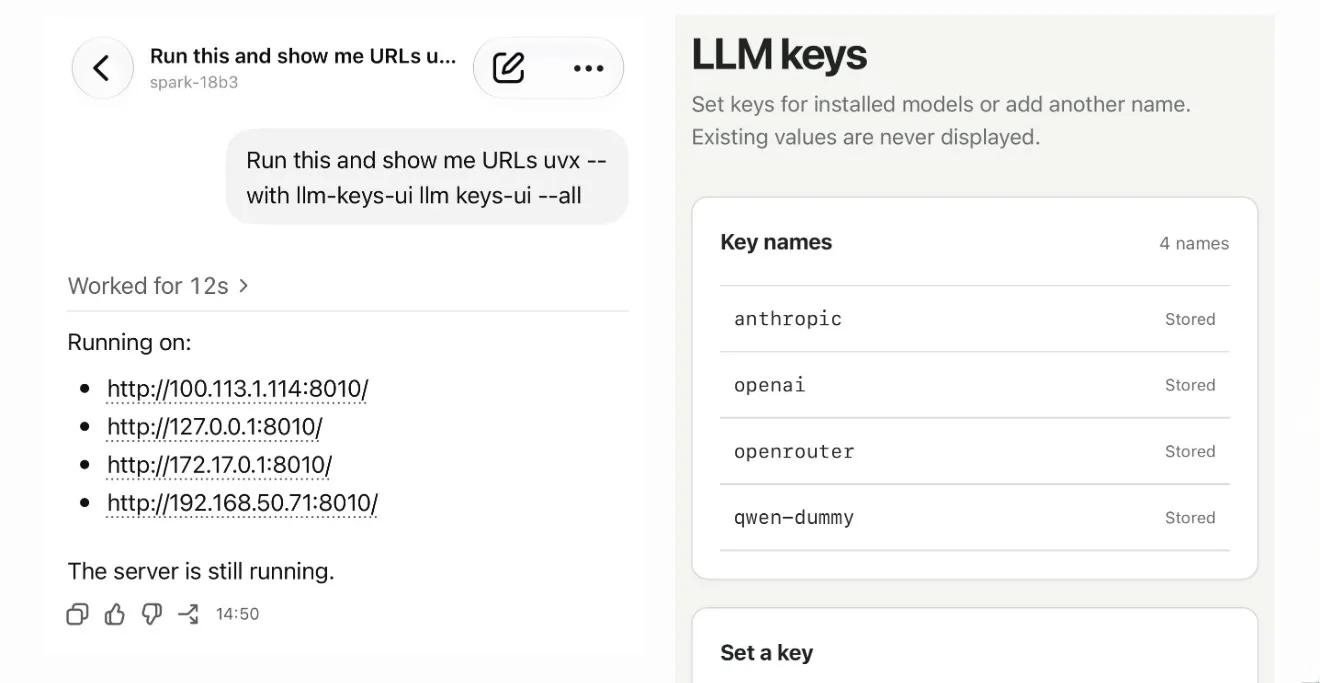
Willison's new plugin takes an API key through a web form, not through the agent

Simon Willison released llm-keys-ui 0.1 on September 20, 2026. The plugin serves a small page from the machine where LLM is installed, and a key typed into that page is saved straight into the key store. Nothing has to be pasted into the coding agent running on the same machine. The interface has no authentication, and the project tells the operator to stop the server once the keys are in.

Simon Willison's Weblogverified

Agentsstrong signal

GitHub is retiring six Copilot models and has rebuilt the code review overview

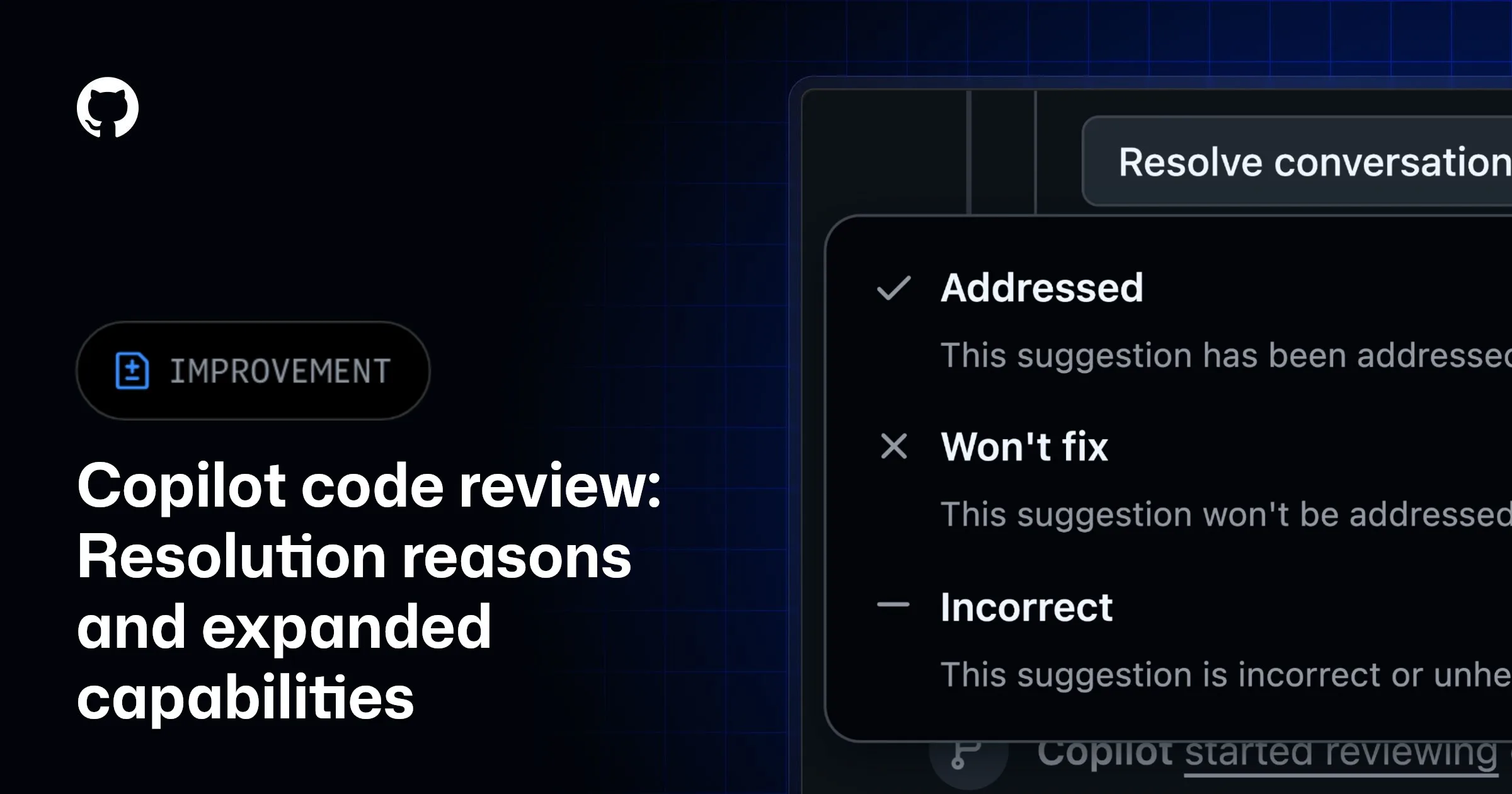
Six models stop working across every Copilot surface on October 19, 2026, and each one has a named replacement. On Enterprise and Business the replacement enables itself unless an administrator has turned it off, so the remaining work sits in configuration that names a model in writing. Separately, Copilot code review reached general availability. Its overview comment now separates open findings from resolved ones and from issues it missed on an earlier pass, and every finding carries a title.

GitHub Changelogverified

Agentsmedium signal

Claude Code 2.1.275 stops running the install scripts inside a plugin from npm

Anthropic published the release on September 17, 2026. A plugin installed from npm is now fetched with packing that skips scripts and is integrity-verified, so the package's install scripts never execute. The same build stops printing a password or token that was stored in a git, ssh or marketplace address, and repairs a rewind that could restore a zero-filled or truncated file. A regression it introduced broke every request for anyone whose base URL points at a proxy or gateway, and 2.1.276 fixed that the next day.

Claude Code Releases (GitHub)verified

Webstrong signal

Safari 27.0 ships an MCP server, so a coding agent can drive the browser itself

WebKit published the feature list on September 17, 2026, and it is the longest the team has written: 83 features, up from 58 at the first beta in June, and 844 quality fixes against the 525 announced at WWDC. The headline for anyone who builds with a coding agent is the Safari MCP server, which hands the agent the DOM, network requests, screenshots and console output from a real Safari window. Customizable Select turns the real select element into something you can fully restyle, and scroll anchoring stops the page from jumping when content loads in above what you are reading.

WebKit Blogverified

Agentsmedium signal

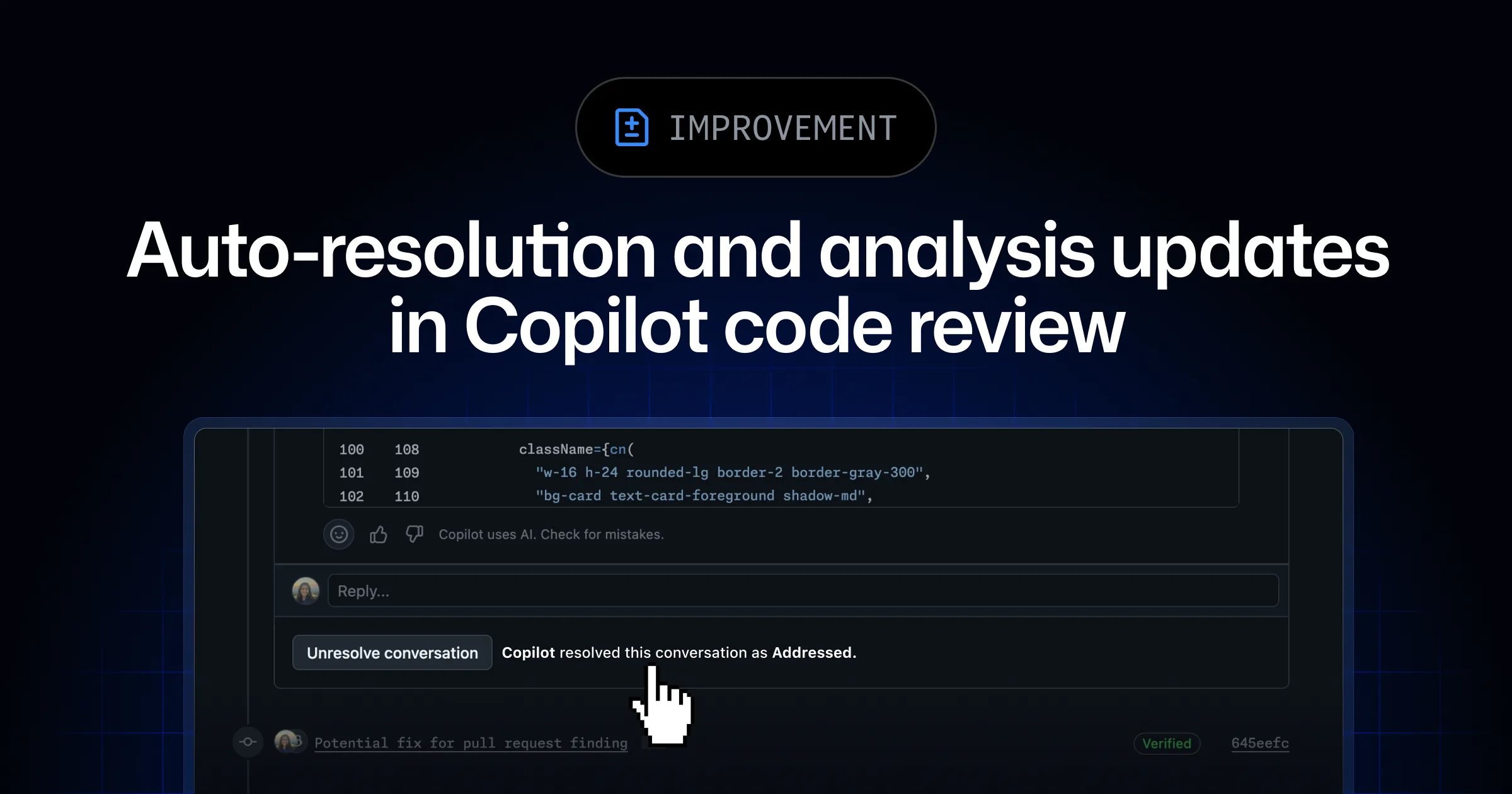
Copilot code review resolves its own comments, and Lite reviews now run an ensemble

GitHub shipped the change on September 11, 2026. When a later commit addresses a review comment, Copilot now resolves that comment during its rereview, and feedback that still needs work stays open. The review agent also picked up the full set of shell tools from the Copilot SDK, so it can run builds, tests and targeted scripts against the code it is reading. The Lite effort level now runs an ensemble of agents instead of one, which GitHub measured at 47% more addressed high severity comments per review for about 8% less cost.

GitHub Changelog: Copilotverified

Agentsmedium signal

GitHub retired MAI-Code-1-Flash across Copilot the same day it announced the change

GitHub deprecated MAI-Code-1-Flash on September 10, 2026, and the changelog entry carries that same date for both the announcement and the retirement. The model is gone from Copilot Chat, inline edits, ask mode, agent mode, and code completions. GitHub names MAI-Code-1.1-Flash as the suggested alternative and asks teams to update anything that calls the old model by name. On Copilot Enterprise the alternative does not show up until an administrator enables it in the model policies.

GitHub Changelogverified

Toolsmedium signal

Datasette ships two security releases found by an audit its authors ran with models

Two patch versions are out, 1.0a39 for the alpha series and 0.65.4 for the stable line, and the fixes matter most for an instance on the public web that mixes public and private tables. The list is a catalog of ways a permission check can be true and still wrong: a table name in the wrong case, a filter that reaches through an intermediate table, statistics tables nobody thought to deny. The audit that found them was run with Claude Fable 5.1, GPT-5.6 and GPT-6 Astra, and reviewed by two people over almost a week.

Simon Willisonverified

Industrystrong signal

OpenAI says its research org now runs 3.1 agent-workdays for every human workday

OpenAI published two documents on September 6, 2026: an essay signed by chief scientist Jakub Pachocki, and a set of internal measurements of how far coding agents have moved into the lab's own work. By those measurements, the research organization was spending 3.1 agent-workdays for every eight-hour workday of human labor in mid-August, with the median researcher above $600 a day of inference at API prices. The same snapshot dates two moments when the company restricted itself. Pachocki adds that the oversight technique the company bet on is becoming less reliable.

OpenAIverified

Agentsmedium signal

GitHub retires four Copilot models on October 2 and starts charging for seats up front on October 1

Three GitHub changelog entries landed on September 3, 2026, and together they change which models you can pick, what a new seat costs before anyone types anything, and whether you can sign up at all. Gemini 3.5 Flash, Gemini 3.6 Flash, Kimi K2.7 Code, and Claude Opus 4.7 go away on October 2, 2026, across every Copilot surface. Gemini 3.8 Flash arrives in its place on Pro, Pro+, Max, Business, and Enterprise. Signups for Business and Enterprise reopen for card and PayPal customers, but every assigned seat is now billed before the person using it gets access.

GitHubverified

Agentsmedium signal

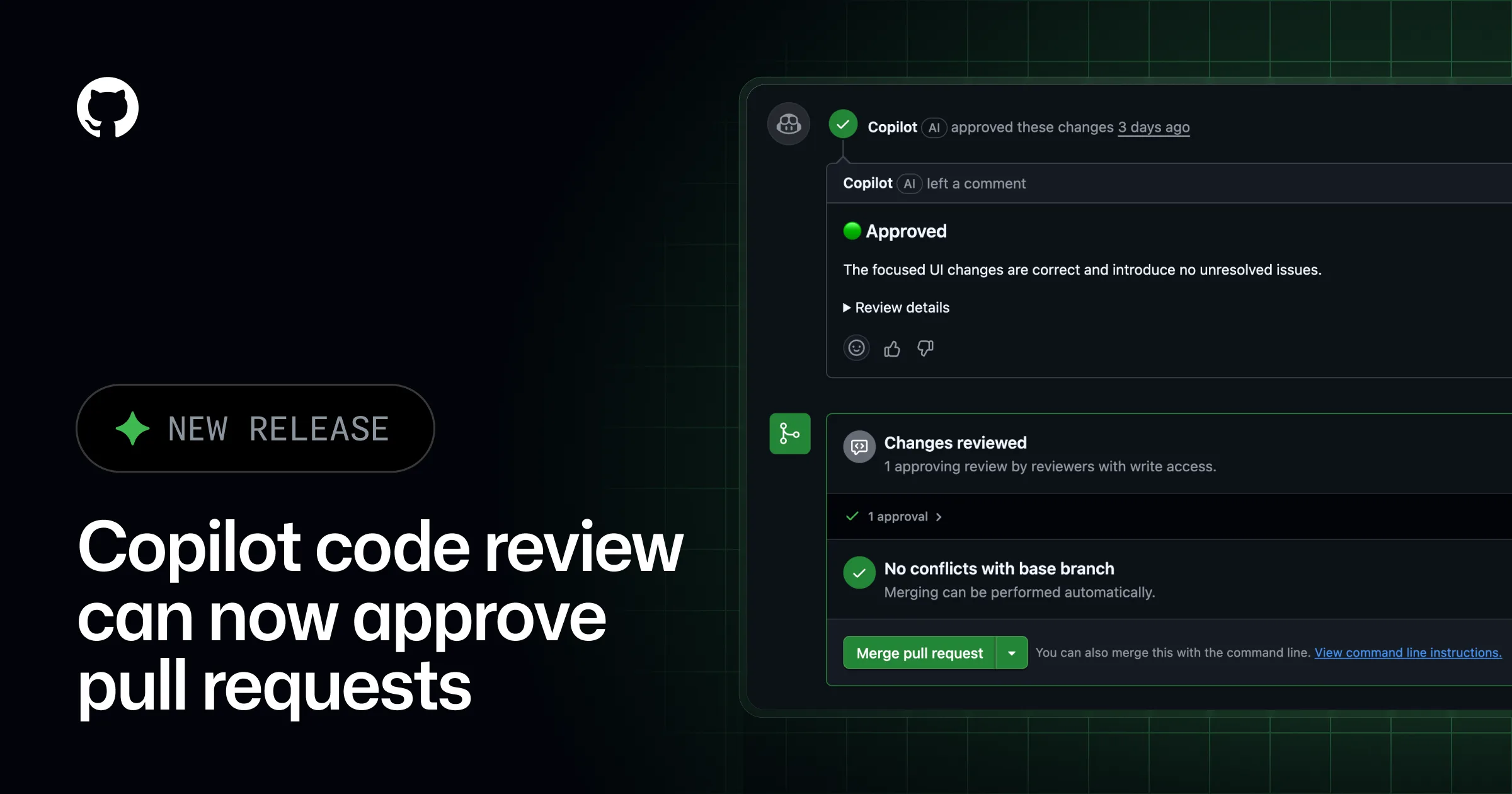
Copilot can now approve a pull request, if an administrator lets it

GitHub added an approval assessment to every Copilot code review, and a separate setting that lets Copilot submit a real approval. That approval counts toward a repository's required-approvals rule, which means a machine can satisfy a gate that used to need a person. It is off by default and configurable at three levels, down to which file paths Copilot may sign off on. A second changelog entry the same day gives individual user budgets an expiry date.

GitHubverified

Agentsmedium signal

Copilot in VS Code now reports token usage per model and installs portable agent plugins

GitHub published its monthly roundup for Copilot in Visual Studio Code on August 31, 2026, covering releases 1.132 through 1.135. Most of the change is in the Agents window: chats line up side by side, one session opens from more than one window, and plugins written to the Agent Plugins 1.0 standard install outside VS Code as well. The response footer also starts reporting how many tokens each model spent in a turn.

GitHubverified

Agentsmedium signal

Copilot's CLI moved to a Rust runtime and kept its TypeScript terminal

GitHub's weekly Copilot roundup for August 28 carries one change that is structural rather than cosmetic: the command-line agent now runs on a native Rust runtime, while the terminal interface it draws stays in TypeScript. Around it sit smaller changes that all point the same way, toward deciding once how the agent behaves instead of deciding again every session. GitHub reports the speedup but publishes no figure for it.

GitHubverified

Agentsstrong signal

A rumor of a bug is now enough for an agent to write the exploit

Anil Madhavapeddy fixed a path traversal issue in an OCaml library and opened the patch in public, the way maintainers have done for years. About 10 minutes later his own web server was logging probes for that exact pattern. His own agent had already built a working exploit from nothing but a rough description of where to look. The embargo model assumes that keeping the details quiet buys time, and that assumption has stopped holding.

Anil Madhavapeddyverified

Agentsmedium signal

Copilot in Visual Studio gets org-wide agents and a thinking-effort dial

GitHub's August update for Copilot in Visual Studio 2026 lets organization and enterprise owners publish custom agents that every repository in the organization can use. Supported models now expose Low, Medium and High thinking effort, so reasoning depth becomes a choice rather than a default. The Git agent will review uncommitted changes before you open a pull request, on GitHub and Azure DevOps alike. All of it lands on every Copilot plan, including the free one.

GitHubverified

Agentsstrong signal

OpenAI sets a shutoff date for Cursor's access to its models

OpenAI notified SpaceX on August 28 that it intends to wind down the contract that puts its models inside Cursor, and it proposed November 12, 2026 as the shutoff date. The stated reason is that OpenAI cannot be confident SpaceX will stay inside its terms of service. Cursor is also cut out of Astra, the model OpenAI says is coming. If you write code in Cursor against an OpenAI model, that part of your setup now has an expiry date.

OpenAIverified

Agentsweak signal

Cursor Cloud Agents no longer need a repository before they can start

Until now a cloud agent needed a connected GitHub account before it could do anything. From August 27 it can be prompted straight away, with Cursor creating an Origin repository in the background and offering to save the work once the build stands.

Cursorverified

Agentsmedium signal

Thirteen of twenty-four fixes in Gemini CLI 0.57 were filed by an agent

The stable release landed on August 25 with twenty-four entries. Thirteen of them are labeled SSR Agent — issue fixes written by automation and merged under one account, including two that touch how subagents behave.

Googleverified