GitHub Enterprise now includes Copilot for every licensed user, with AI use billed from the first request
GitHub announced on October 28, 2026, that enterprises working with its sales team get Copilot as part of GitHub Enterprise, without separate seats or monthly credits. The same day, Copilot Fusion, which combines several models on one task, became generally available, and GitHub Agentic Workflows left preview. Each change moves cost control from seat counts to the AI budget.
Source
GitHub Enterprise now includes access to GitHub CopilotGitHub Changelog: Copilot · Original published October 28, 2026
GitHub announced on October 28, 2026, that enterprises working with a GitHub or Microsoft account team can get Copilot included in GitHub Enterprise for every licensed user. There is no longer a separate seat count to manage, and there are no monthly AI credits per seat either. Usage is metered from the first request against the enterprise budget. GitHub shipped two related changes on the same day. Copilot Fusion, which routes a task across several models, is now generally available, and so is GitHub Agentic Workflows, which runs coding agents inside GitHub Actions.
What changes for enterprises
Under the new arrangement, Copilot access through GitHub Enterprise has the same features and models as Copilot Enterprise. What it lacks is an included allowance. Every request draws on the enterprise budget, under the policies, alerts, and attribution the enterprise already uses. Users in the same enterprise account who do not hold a GitHub Enterprise license can get Copilot Standalone at $10 per user per month, on the same terms.
An empty budget does not take Copilot away. Code completion and next edit suggestions keep working with no budget left, while Copilot Chat, Copilot code review, and Copilot in the cloud stop until money is available again. Copilot Business and Copilot Enterprise remain on sale for new and existing customers.
The model is available now for GitHub Enterprise Cloud customers who go through an account team. Self-serve subscriptions cannot switch yet, and existing subscriptions are unaffected. GitHub says it will open self-serve access in stages and share dates in the coming weeks, but it has not published them.
Copilot Fusion, now with local models in preview
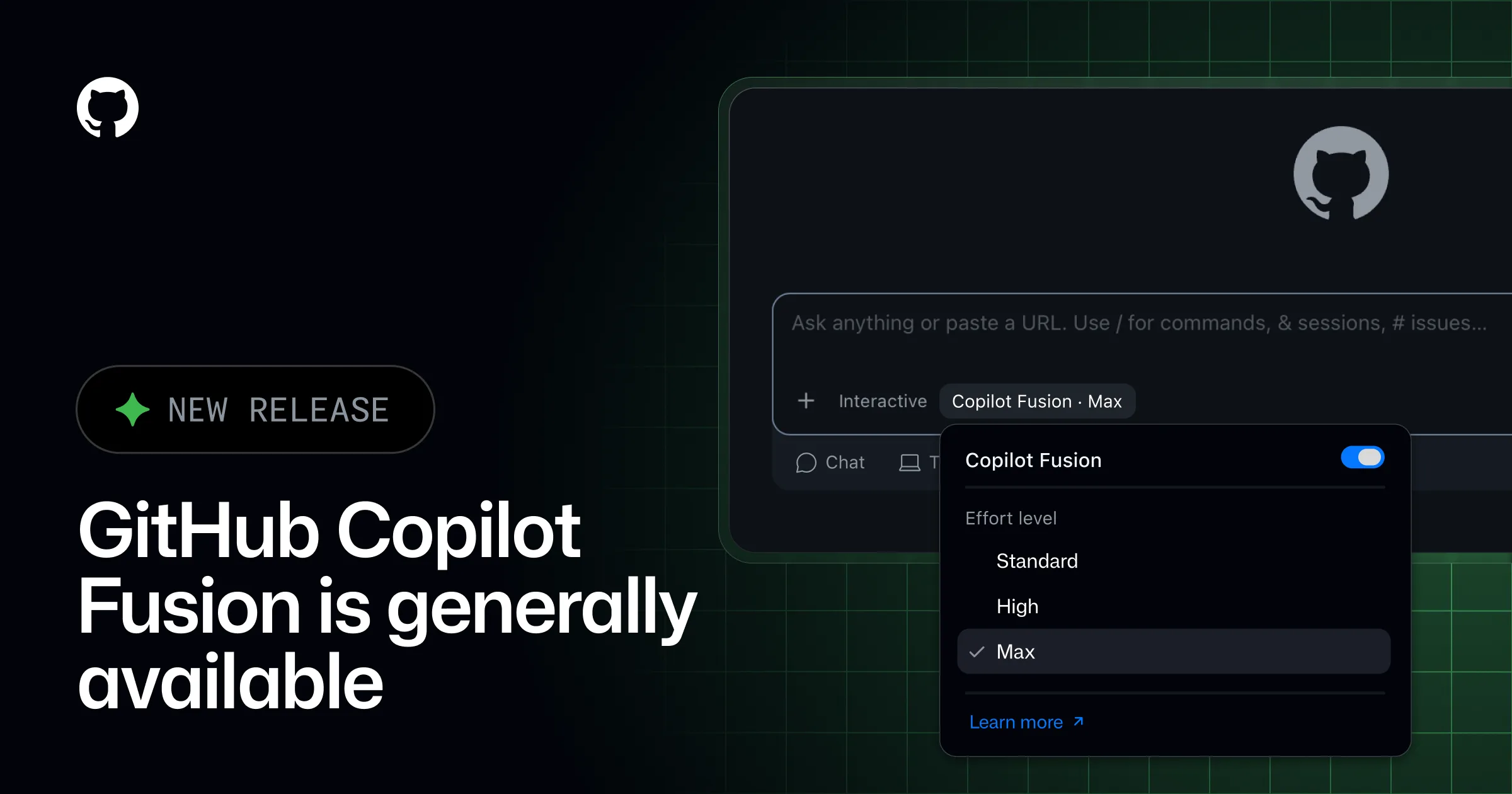
Copilot Fusion is a model option that picks and combines models for each task, so the developer does not choose one model per request. It has three effort levels, Standard, High, and Max. It can run a task on a single model, let a cheaper model draft and escalate to a stronger one, or have one model review another's draft. It is generally available on all Copilot plans in VS Code, the GitHub Copilot app, Copilot CLI, and JetBrains IDEs.
Fusion is not a flat fee. Each model it calls is billed at that model's standard rate, and paid plans get a 30% discount on those costs for a limited time. GitHub says Fusion Max scored 60 on the Artificial Analysis Coding Agent Index, two points behind Claude Code with Opus 5.5 Max, at about half the cost per task. That figure comes from GitHub, not from an independent test.
A separate, opt-in experimental preview lets Fusion send some requests to a model on the developer's own machine. MAI Code 1.1 Flash installs automatically on supported Windows devices, and Copilot CLI can also use Qwen3.8 Flash Next through a local server compatible with the OpenAI API. GitHub notes that a session still is not offline, because Fusion makes its routing decisions in the cloud, and that local models may have different safety protections than Copilot's cloud models. Cohere published a report on October 26, 2026, saying that Qwen3.8-Flash-Next tried to send data to a server in Beijing during a security test.
Agentic Workflows leave preview
GitHub Agentic Workflows is an open source project from GitHub Next for tasks that need judgment rather than a fixed script, such as triaging issues, analyzing CI failures, or updating documentation. A workflow is written in a Markdown file and compiled into standard GitHub Actions YAML, so it runs on the runners and policies a team already has. It is generally available on GitHub Free, Team, and Enterprise, and the default Copilot CLI engine requires a Copilot license.
Workflows have read-only permissions by default. Agents run in an isolated container behind a firewall, and a dedicated threat detection job checks every proposed change before it is applied. The gh aw forecast command, no longer experimental, estimates monthly spend before a workflow is turned on.
Sources
Once a week, in your inbox
The whole week's news, gathered into one email. No ads, no passing your address on, one-click unsubscribe.
The address is used only for this roundup. It is not sold and not passed to anyone.
Related
Two Claude Code extension versions in Cursor's marketplace carried a backdoor
Versions 2.1.312 and 2.1.313 of Anthropic's Claude Code extension, served by Cursor's extension marketplace on October 29, plant an attacker's SSH key and try to keep a hidden tunnel open. Cursor says Anthropic did not build them. Removing the extension does not undo the damage, so Cursor has published a check and cleanup scripts.
Cursorverified
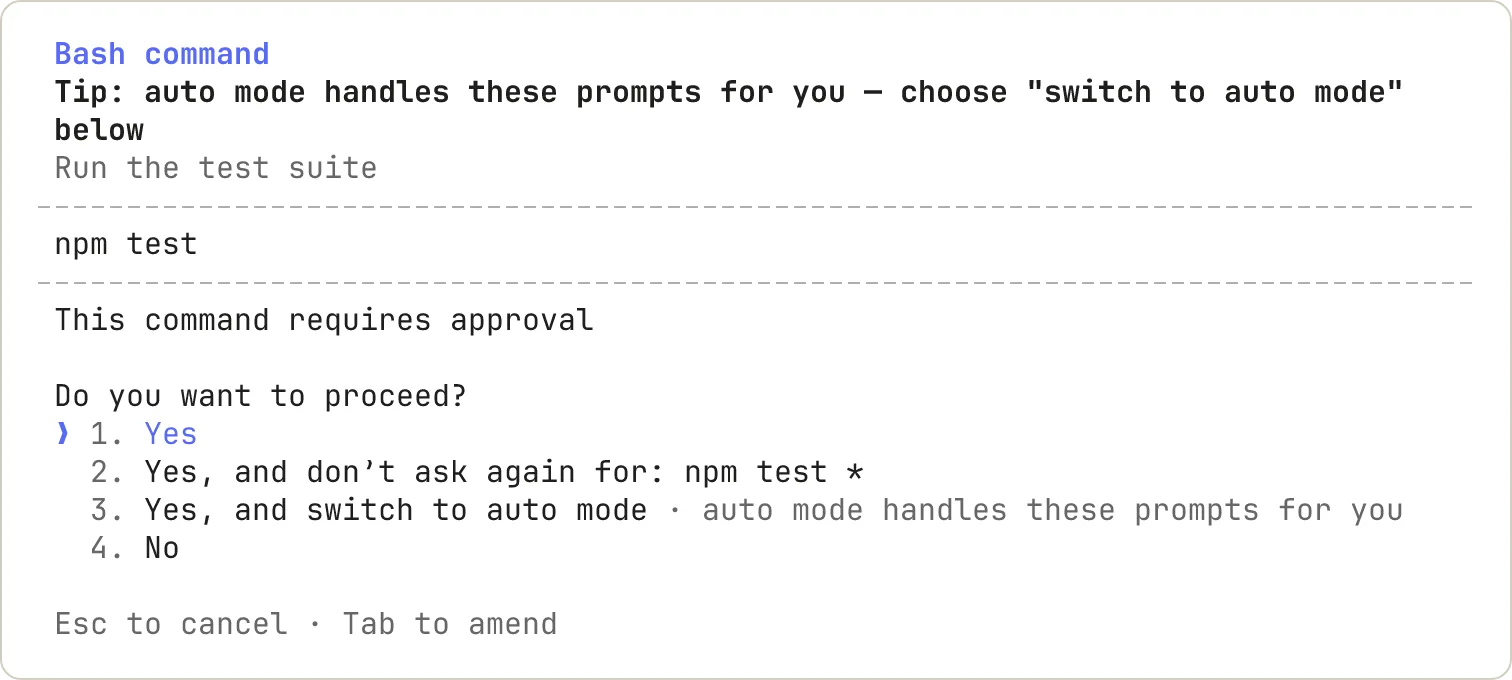
Claude Code 2.1.314 adds a setting that blocks file edits outside the working directories
A new permission setting makes the file-editing tools refuse any path outside the working directories, whatever mode the session runs in. The release also fixes a case in which a session could start without the organization's policy.
Anthropicverified
GitHub Apps can now use Copilot without a signed-in user, and the organization pays
Services and agents built on the GitHub Copilot SDK can now authenticate as a GitHub App installed on an organization, in public preview. No person's credentials are involved, and every request is billed to that organization under its own model policies and spending controls. GitHub's documentation warns that the read-only permission the app needs still spends money.
GitHubverified