Gemini API's Tool Retrieval loads a tool's schema only when the agent needs it
Google has added Tool Retrieval to the Gemini API in preview. An agent keeps its whole tool library on standby and pulls in a tool's full parameter schema only when a task calls for it, which can cut input tokens for agents with many tools.

Source
Introducing Tool Retrieval in the Gemini APIGoogle: The Keyword, AI · Original published November 19, 2026
Google announced on November 19, 2026, that the Gemini API now offers Tool Retrieval, in preview in the Interactions API. Until now, an agent connected to many tools had to send every tool's full parameter schema, the structured description of its inputs, with every request. With Tool Retrieval the agent keeps the library on standby and loads a schema only when the current task needs that tool.
How it works
Developers add a tool_search tool to the request and set defer_loading: true on the tools they want to hold back. The model still sees the name and description of every deferred tool, so it knows what exists, but the schemas stay out of its context.
When the model needs a tool, it asks for it by name, the API loads the schema, and the model makes the function call, all inside the same request. Google runs the search on its own servers, so there is no index to build or host, and frequently used tools can stay loaded up front.
Deferred schemas do not sit at the start of the prompt, and loaded ones are added later in the conversation. The cached prefix therefore stays the same from turn to turn.
MCP servers and your own registry
Tool Retrieval also works with remote MCP servers, the servers that expose tools to models over the Model Context Protocol. Setting defer_loading: true on the mcp_server tool defers every tool that server offers, so a large server can be connected without listing its tools one by one.
Teams with their own tool registry or per-user permission filter can run the search in their application with "execution": "client". That adds one round trip per search, and it also lets new tools appear mid-conversation.
Price and models
Tool Retrieval has no separate charge. Turning on tool_search adds a small, fixed block of input tokens, and each schema the model loads is billed as input for the rest of the conversation, the same as a tool declared up front. Google says the feature reduces input tokens and latency, but it also tells developers to measure the savings against their own traffic. It does not say how large the fixed block is.
The feature works with Gemini 3.6 and later models, including all Gemini 4 models, in the Interactions API.
Once a week, in your inbox
The whole week's news, gathered into one email. No ads, no passing your address on, one-click unsubscribe.
The address is used only for this roundup. It is not sold and not passed to anyone.
Related
GitHub will bill organizations for Copilot code review by default starting December 30
GitHub said on November 25, 2026, that Copilot code review for licensed members will be billed to the organization that owns the repository whenever no billing choice has been saved. The change applies to Copilot Business and Copilot Enterprise. Administrators who want to keep the current arrangement have to select Member before December 30, 2026.
GitHub Changelogverified
OpenClaw 2026.11.10 turns on Deep Research by default and lets users take over the agent's browser
OpenClaw's new release includes Deep Research, which looks through several sources and returns a report with quotes and gaps marked. It is on by default and uses the models the user has already set up. A second addition lets a user take over a browser tab during a sign-in, although the agent can still capture the page. The optional Knowledge plugin stores memory in local Markdown files.
OpenClawverified
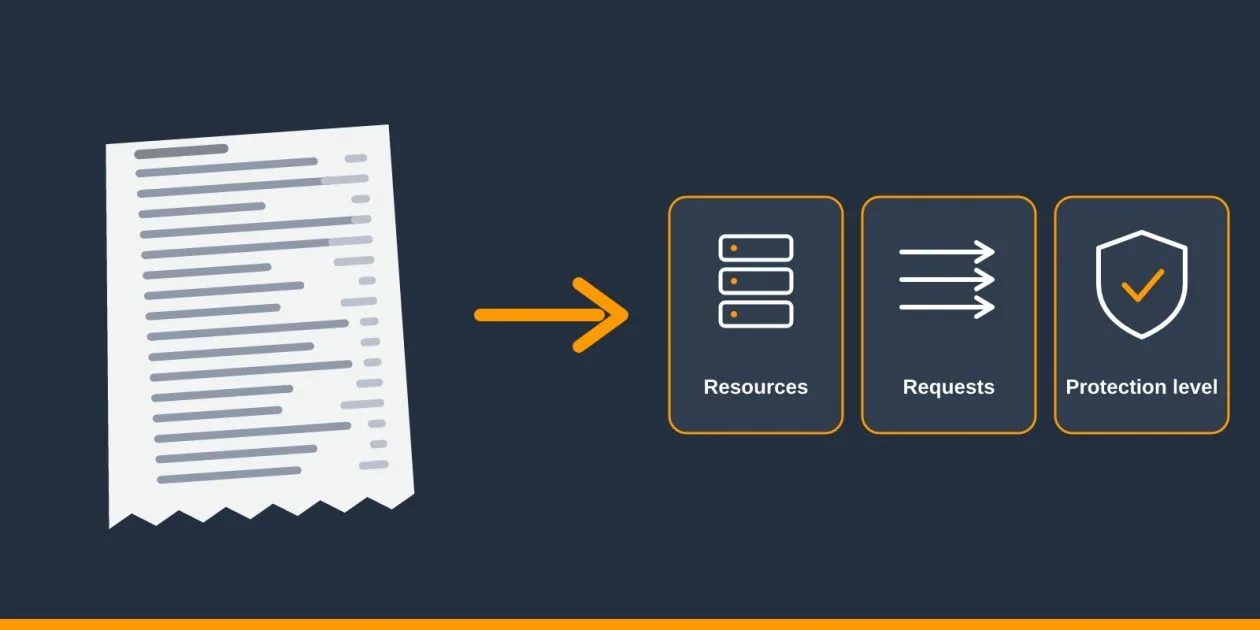
AWS WAF will bill each protected resource from February 2027 and drop its fees for rules
Amazon is changing how it charges for AWS WAF, the firewall that filters traffic to web applications. Rules and rule sets become free, while every protected resource gets an hourly fee. Sites with many rules on a few resources stand to pay less, and companies that cover many resources with one rule set can pay several times more.
AWSverified