Skip to content

Tags

permissions

55 items

Page 2 of 2.

Securitystrong signal

Gemini CLI 0.58.0 closes a sandbox escape that ran through the Docker socket

Gemini CLI runs untrusted work inside a macOS Seatbelt profile. Until 0.58.0 that profile did not stop a sandboxed process from talking to a container runtime on the same machine, and a container runtime will mount the host filesystem for whoever asks. The fix was merged on August 21, 2026 and reached a stable release on September 1, 2026. It covers the profile builder and all six built-in macOS profiles.

Gemini CLIverified
Codingstrong signal

Claude Code 2.1.257 closes several ways a permission rule could be walked around

Anthropic shipped two Claude Code releases on September 1, 2026. Version 2.1.257 adds a containment-escape rule to auto mode and a prompt before the first file read outside the working directories, and it fixes five places where a differently written command slipped past a deny rule. A project settings file can no longer put a session into bypass mode. Version 2.1.258 restores launching on macOS 12, broken since 2.1.255.

Claude Code Releasesverified

Codingmedium signal

Copilot can now approve a pull request, if an administrator lets it

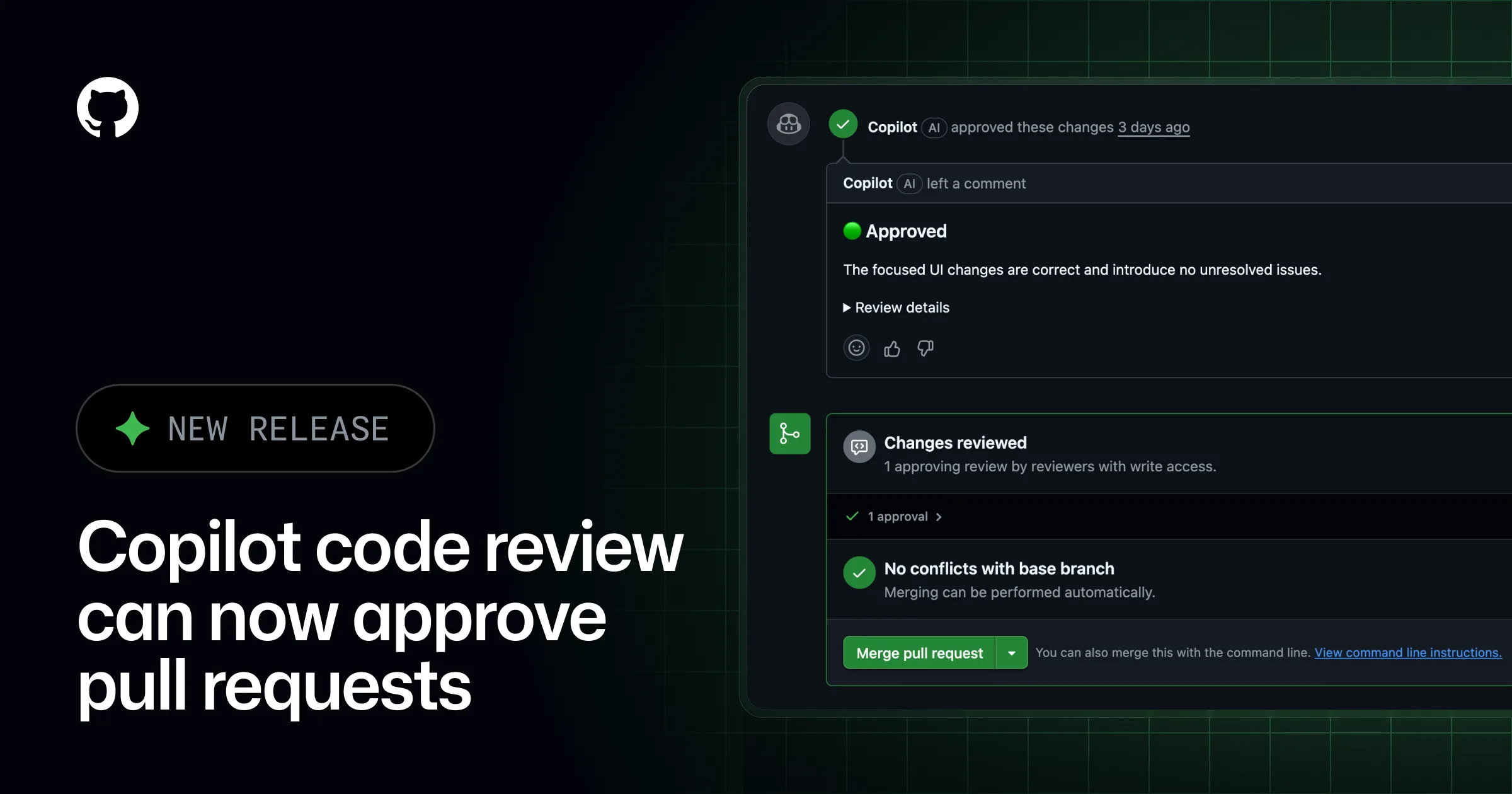
GitHub added an approval assessment to every Copilot code review, and a separate setting that lets Copilot submit a real approval. That approval counts toward a repository's required-approvals rule, which means a machine can satisfy a gate that used to need a person. It is off by default and configurable at three levels, down to which file paths Copilot may sign off on. A second changelog entry the same day gives individual user budgets an expiry date.

GitHubverified

Codingstrong signal

OpenClaw 2026.8.1 turns memory on by default and drops the bundled OpenProse plugin

The August release of the agent runtime enables three behaviors on its own: recall of earlier private conversations, background memory consolidation, and automatic application of skills its own scanner has approved. It also removes the bundled OpenProse plugin and the /prose command, and moves model routes named codex over to openai. Plugin authors face an SDK import gate on September 1, 2026.

OpenClawverified

Codingmedium signal

Gemini CLI stops loading repository MCP servers in an untrusted workspace

A fix merged into Gemini CLI on August 28, 2026 changes the order in which workspace trust is decided, and it shipped the next day in the nightly build v0.59.0-nightly.20260829. Environment signals such as GEMINI_RESTRICTED_MODE are now read before local options, and an untrusted signal ends the check immediately. In the A2A server, MCP server definitions that come from the repository are dropped when the workspace is not trusted. The stated purpose is to keep the server from starting processes it should not start.

Gemini CLIverified

Codingmedium signal

Copilot's CLI moved to a Rust runtime and kept its TypeScript terminal

GitHub's weekly Copilot roundup for August 28 carries one change that is structural rather than cosmetic: the command-line agent now runs on a native Rust runtime, while the terminal interface it draws stays in TypeScript. Around it sit smaller changes that all point the same way, toward deciding once how the agent behaves instead of deciding again every session. GitHub reports the speedup but publishes no figure for it.

GitHubverified

Codingmedium signal

AgentCore Memory can now keep one tenant's memories out of another's

AWS shipped two changes to Amazon Bedrock AgentCore Memory on August 28. Fine-grained access control enforces per-user and per-tenant isolation through AgentCore Gateway, using Cedar policies over the caller's identity instead of authorization code you write yourself. Flexible namespace variables let you scope long-term memories along your own dimensions, up to five keys per memory resource. AWS says the namespace variables come at no additional cost wherever AgentCore Memory is generally available; the announcement about fine-grained access control makes no such statement.

AWSverified

Codingmedium signal

Claude Code 2.1.251 closes six ways a project could widen its own permissions

Anthropic published the release on August 28. Six of its fixes share one shape: something declared inside the working directory — a symlink, a plugin entry, a workflow script, a settings file — reached past the boundary the session had approved. Several changes now stop managed or project settings from weakening the sandbox or injecting credential headers without an explicit approval. The same release adds hooks that fire around a model switch and a per-session prompt-cache line in the cost command.

Anthropicverified

Codingmedium signal

Claude Code 2.1.248 adds a restricted mode and stops leaking credential leftovers

One flag now strips the tools that run code, keeps file access inside the working directory, refuses bypassPermissions and ignores every settings file. The same release stops cloud reviews from uploading tfvars files and editor backups of private keys. Version 2.1.250 followed hours later with fixes only.

Anthropicverified

Securitystrong signal

The classifier let the malware start and then refused to let Claude kill it

Johann Rehberger chained benign-looking steps until Claude Code wrote its own loader for an attacker's Python module. Three variants succeeded in three, three and four runs out of five. In some runs Claude noticed the compromise and tried to stop the process, and Auto Mode denied that command. Anthropic closed the report as informative.

Embrace The Redverified

Codingmedium signal

Copilot's global model policy starts enforcing on September 1, and the default is on

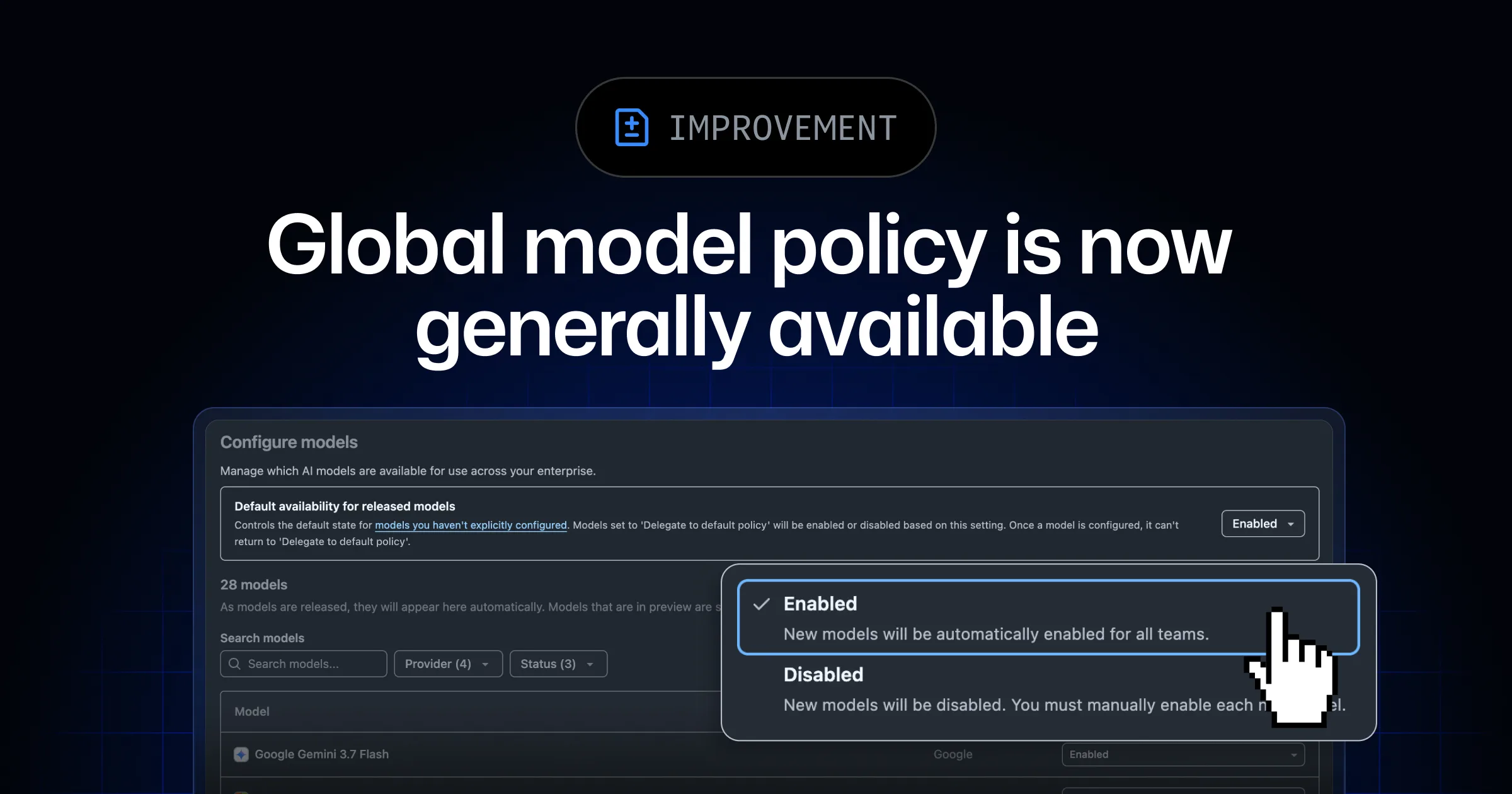
GitHub is rolling out enforcement of the default model policy for Copilot Business and Copilot Enterprise through September 1. Models an administrator never configured stop being unconfigured and start following the policy, and the policy ships enabled. Two categories are held back regardless of what you set: open-weight models, and models GitHub's data retention agreement does not cover. Anthropic's Fable 5 is in the second group.

GitHubverified

Codingweak signal

Claude Code now warns about the permission rule that looks narrow and is not

Version 2.1.246 adds a startup warning for Bash allow rules that put a wildcard before the subcommand, such as Bash(git * main). It also puts auto mode's classifier rules into the permissions screen where they can be read and edited.

Anthropicverified

Assistants & appsmedium signal

ChatGPT now reads and sends your Apple Messages, on the Mac only

A plug-in in the ChatGPT desktop app reads and searches your iMessage, SMS and RCS threads and sends messages through Messages on your behalf, but only in Codex and in ChatGPT Work, not in ordinary ChatGPT chat. By default nothing goes out until you approve both the text and the recipients. There is a switch that removes that step, and OpenAI's own documentation argues against using it.

OpenAIverified

Codingmedium signal

GitHub Copilot moved into Slack and Microsoft Teams on the same day

Both shipped on August 21 in public preview. Mention @GitHub in a channel and the agent triages issues, investigates failures, writes changes in a cloud sandbox and opens a pull request, with the conversation attached. The interesting part is not the capability list, which is familiar, but the room it moved into: the place where work gets discussed rather than written.

GitHubverified

Codingmedium signal

Auto mode becomes the default permission mode

Since August 14, auto mode is the default permission mode for new sessions on the Pro, Max, and Team plans. Instead of interrupting at every action, a classifier in the background lets safe actions through and stops risky ones. If you set a default mode yourself, it stays in force until you accept a one-time offer to switch, and a mode an organization mandates does not change automatically. One detail matters for your quota: the classifier calls auto mode makes do not count against usage limits, except on Enterprise plans and on accounts running through the Claude API, Bedrock, Google Cloud's agent platform or Foundry, where they consume tokens.

Anthropicverified