Skip to content

Tags

privacy

61 items

Page 2 of 2.

Assistants & appsstrong signal

Amazon has cut Meta's Muse agent off from shopping on its store

Amazon says it has blocked Meta's Muse from buying on its site for customers, after asking Meta to leave the store out of the product and getting nowhere. Shoppers who send Muse to the site are shown a notice calling it an unauthorized agent and citing Amazon's terms. The objection is not automation: it is that the agent arrived unannounced and does not say who it is while it browses. For anyone building an agent that acts on someone else's site, this is the first clear case fought over terms of service rather than over the federal anti-hacking law.

GeekWireverified
Codingmedium signal

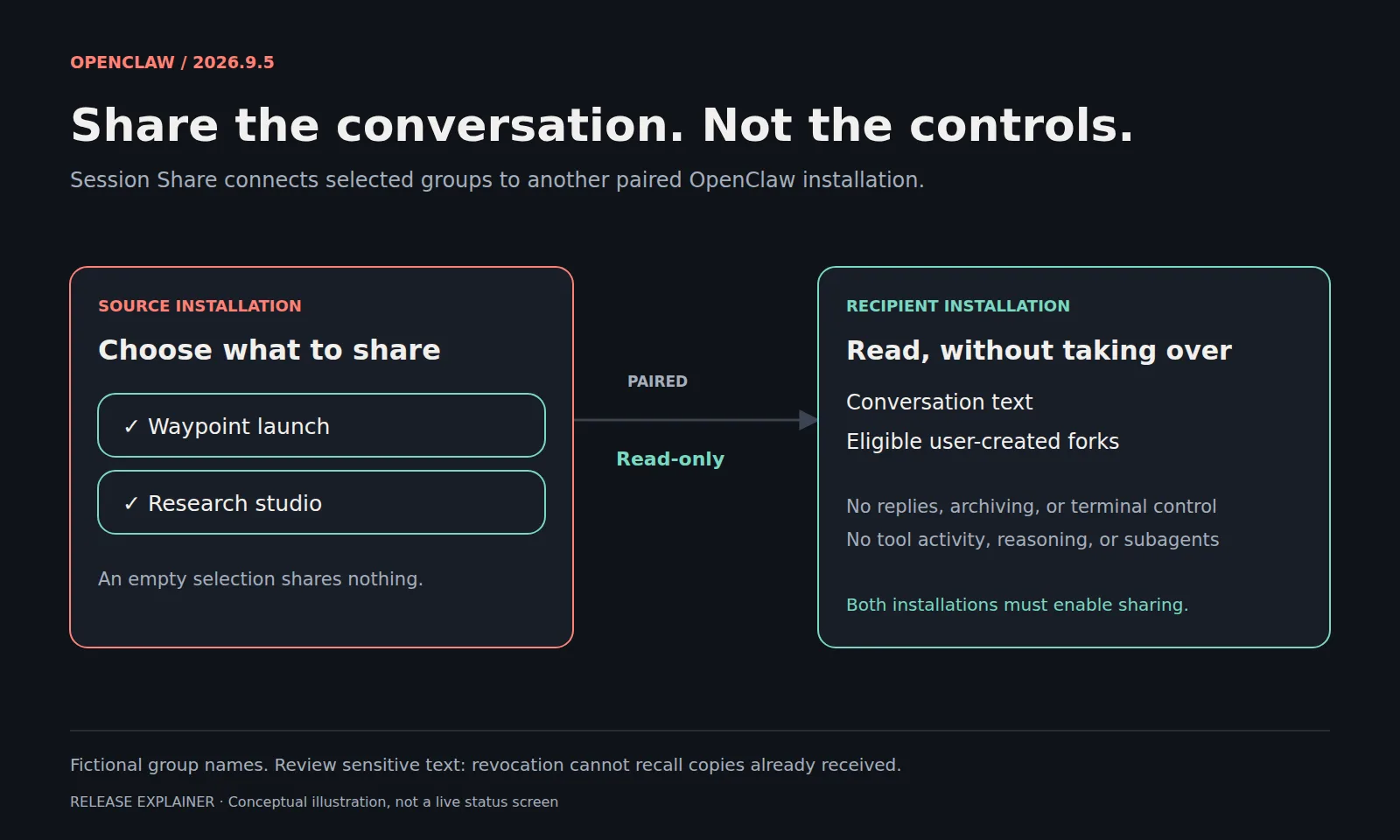
OpenClaw 2026.9.5 reloads plugins without stopping the Gateway and shares conversations read-only

Installing, reloading, updating, or removing a plugin no longer takes the whole installation offline. Session Share hands a chosen group of conversations to a teammate on another paired installation as text they can read but not continue. Updates now validate the next version against a private copy of the setup while the current Gateway keeps running. The conversation database changes in this release even with archiving switched off, so a verified backup before upgrading is the only way back.

OpenClawverified

Assistants & appsmedium signal

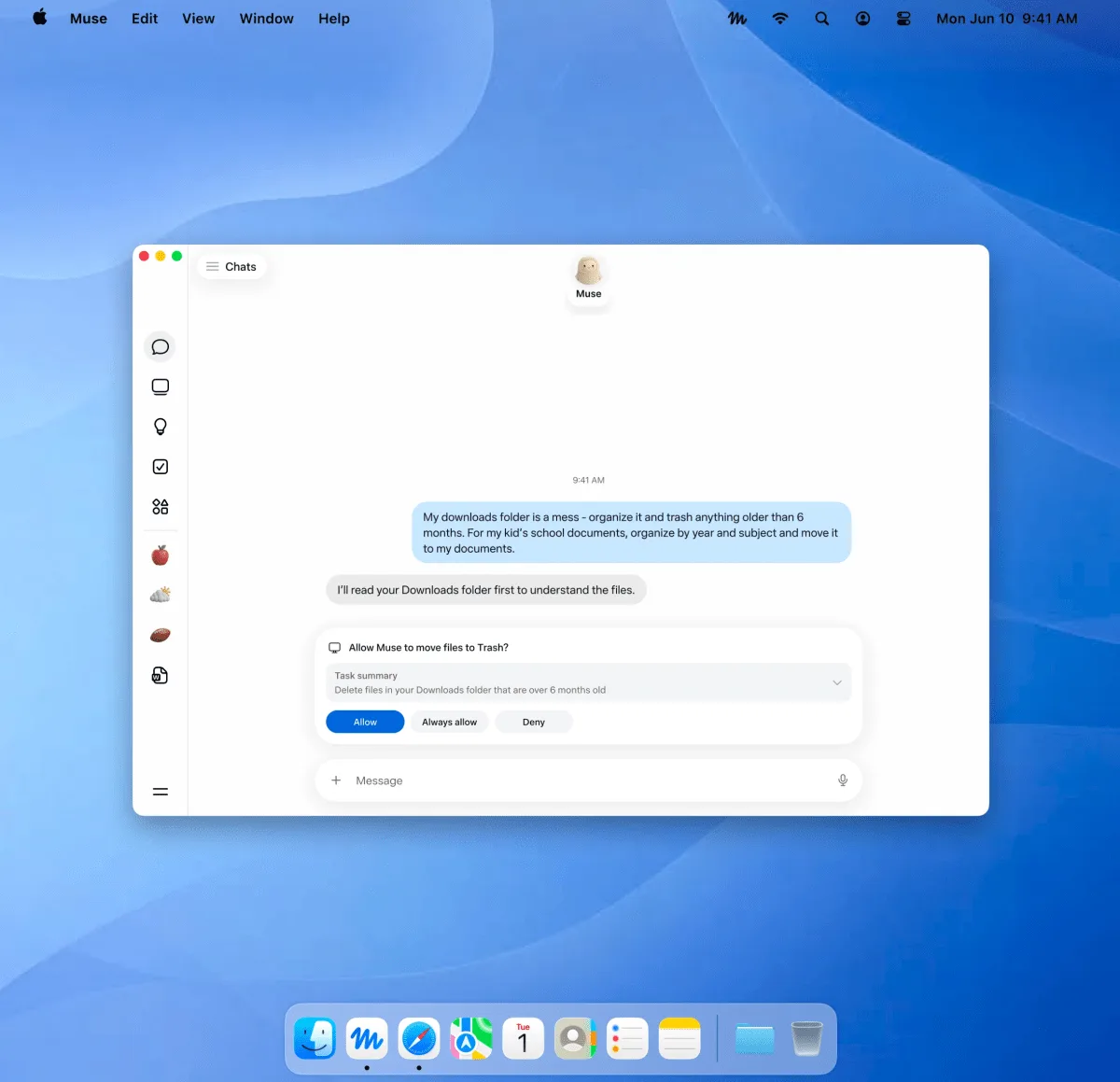
Meta's Muse reached the Mac, where the agent acts inside your own files and apps

Meta announced Muse on September 8, 2026 as a personal agent that does things rather than answers questions, and named iOS, Android and the web, with AI glasses still to come. The Mac app arrived nine days later, announced by Alexandr Wang on X rather than through the company newsroom. The difference is not only the platform. Until now Muse worked inside a virtual machine Meta runs, watched by a second agent that has to approve anything leaving for the internet; the Mac app works in files, apps and browser tabs on a machine Meta does not run.

Metaverified

Assistants & appsmedium signal

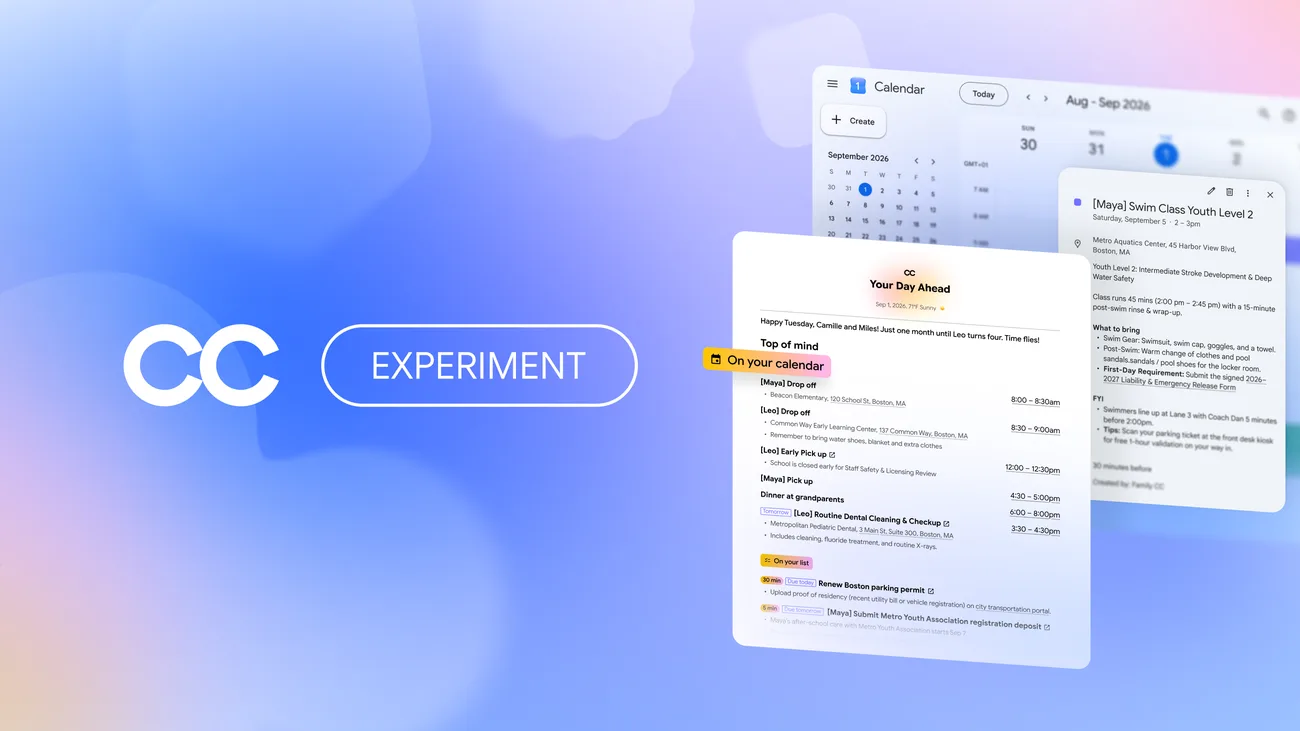
Google's CC agent gets an account of its own and admits six household members

Google Labs has turned CC, its experimental personal agent, into one that a household shares. The agent now holds its own verified Google account, admits up to six members, and reads only the mail and files each of them hands over. It writes a shared morning brief, keeps the group calendar and task list, and fills in registration PDFs. The experiment is open on web and mobile to people 18 and older in the United States.

Googleverified

Modelsstrong signal

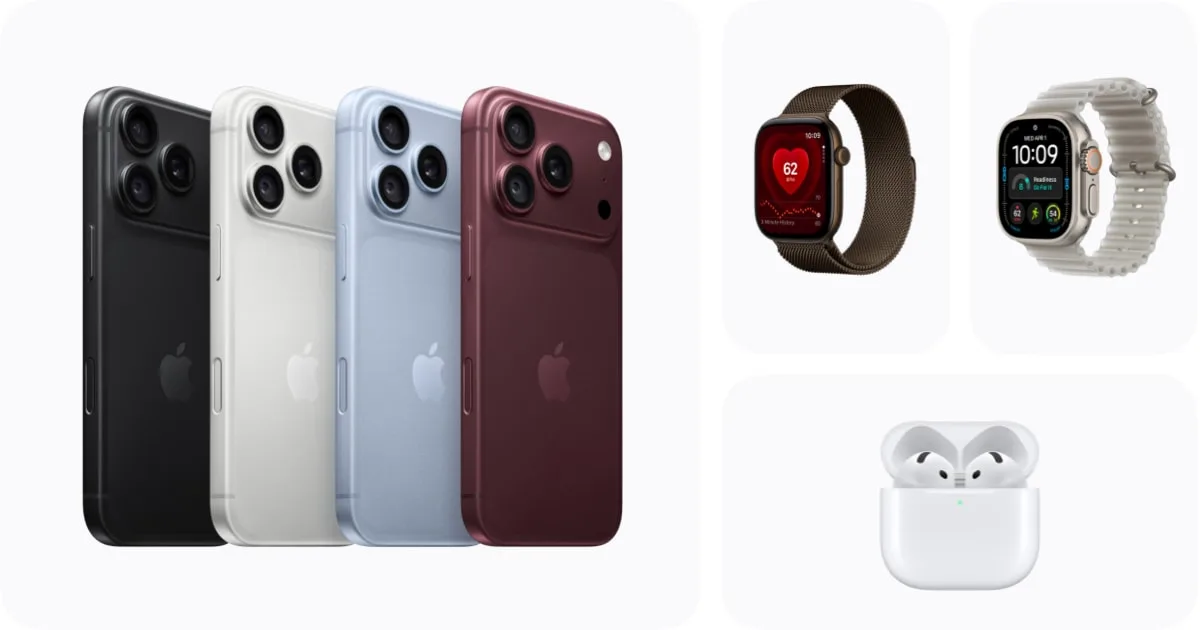
Apple claims 4.3x faster AI on Mac Studio, and the 512GB configuration arrives in late October

Mac Studio with M5 Max and the all-new M5 Ultra reaches stores on September 22, 2026, and Apple puts its AI performance at up to 4.3x the previous generation, measured in July 2026 against a machine with M3 Ultra. The configuration that decides how large a local model can be, 512GB of unified memory at up to 1.2TB/s, sits in a footnote: it comes in late October. On the software side the new Siri AI ships in beta, in English to start, and will not be available in the EU on iOS, iPadOS or watchOS at launch. Apple Intelligence features that run on server-side models also have daily usage limits, and Apple says wider access to them will be sold for a fee later.

Appleverified

Business & policystrong signal

Vendors, unions, and pilots are objecting to the sale of Spirit's data to Google

Spirit Aviation Holdings is selling a large operational dataset in its Chapter 11 case, and Google won the auction for it. Three groups have filed objections on the docket: a software vendor that says its own intellectual property is mixed into the data, an engine maker citing confidentiality agreements, and the pilots' union. Google says it will receive no personal information from the dataset, while the Electronic Frontier Foundation says the material includes employee mailboxes and internal correspondence that were never collected for this purpose. A hearing on the objections is set for September 16, 2026.

Ars Technicaverified

Business & policystrong signal

Kimi and DeepSeek users were quietly talking to Claude, Anthropic says

Anthropic's September 2026 misuse report describes distillation campaigns run out of seven Chinese labs. Two of them did more than harvest answers: Moonshot and DeepSeek forwarded their own customers' requests to Claude and showed Claude's replies as their own. The relayed traffic carried live database credentials, internal documentation and surveillance work, from people who had no idea a third vendor was reading it. Every figure below is Anthropic's, and none of it has been confirmed independently.

Anthropicverified

Codingmedium signal

Claude Code 2.1.261 changes what Ctrl+W does and stops auto-approving diagram-renderer links

The release that landed on September 4, 2026 is mostly fixes, but four entries change behavior that was already there. The prompt's word-editing keys now match Bash, and the setting that used to select a keybinding style has no effect at all. Auto mode now treats a link that packs your content into a public diagram renderer's URL as an upload to that site, so it is no longer approved without you. Two new settings raise how much command output reaches the model inline, up to 128,000 characters.

Anthropicverified

Assistants & appsmedium signal

Gemini Spark now runs multi-step jobs on your Google Photos, and it can schedule them to repeat

Google has started making Google Photos available inside Gemini Spark, the mode of the Gemini apps that carries out a task instead of answering a question. One prompt can find photos, enhance copies of them, put them in a new album, and draft an email with the link. The same job can be attached to a schedule and left running in the background. It needs a Google AI Pro or Ultra subscription and a personal account rather than a work or school one, and the Photos part is limited to people 18 or over in the United States, in English.

Googleverified

Codingstrong signal

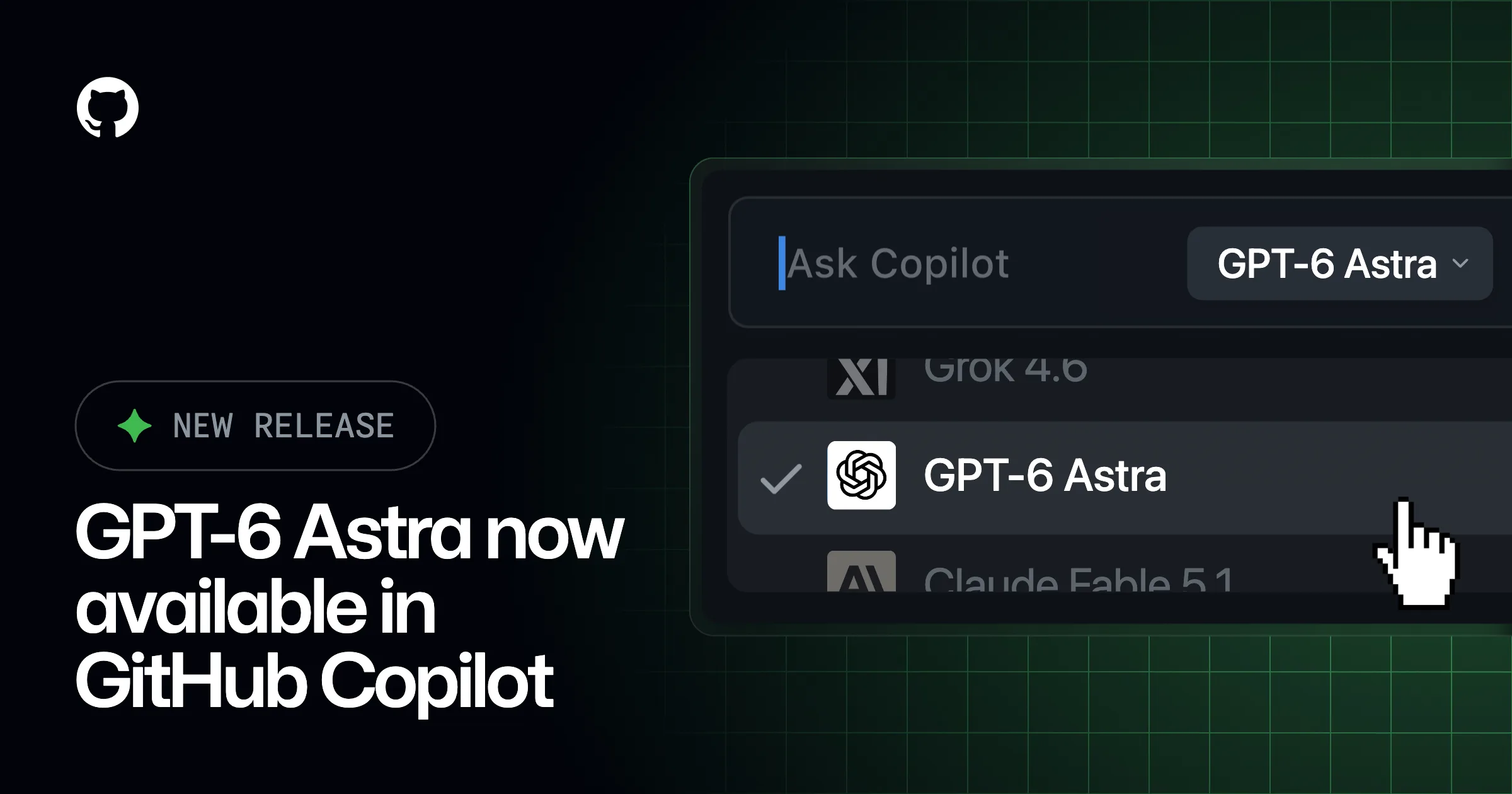
GitHub Copilot switches GPT-6 Astra on by itself and leaves Claude Fable 5.1 off

GPT-6 Astra became generally available in GitHub Copilot on September 4, 2026, for the Pro+, Max, Business, and Enterprise plans. Claude Fable 5.1 reached the same four plans three days earlier. The two arrived with opposite administrator defaults: Astra is enabled automatically under default model enablement, while the Fable 5.1 policy is off until someone turns it on. Fable 5.1 is also the one that retains prompts and outputs, and the zero-retention exemption runs only to the end of the calendar year.

GitHubverified

Securitymedium signal

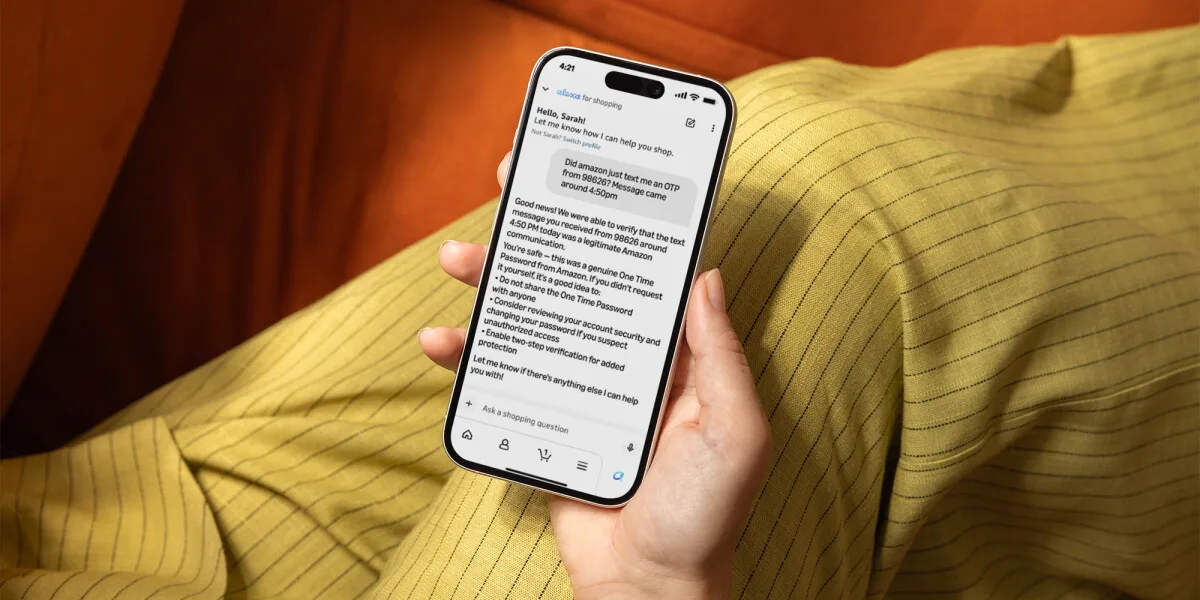
Amazon now confirms whether a message really came from Amazon, and not only in the United States

Amazon added message verification to Alexa for Shopping, so a customer in the United States can ask whether an email, a text or a phone call really came from the company. The tool compares the message against a record of everything Amazon has sent, weighing who sent it, what it says, when it was sent and how it is formatted. It gives one of three answers, and it confirms only when it is certain. Anyone outside the United States can run the same check by forwarding the message to a verification address Amazon has opened to the whole world.

Amazonverified

Codingmedium signal

Copilot's app and CLI now obey content exclusions, and an admin can set the default model

GitHub shipped two Copilot changes on September 2, 2026. The Copilot app and Copilot CLI now respect the content exclusion rules that enterprise, organization and repository administrators configure, on Copilot Business and Copilot Enterprise. Enterprise-managed settings now accept the name of a specific model as the default for new conversations. The documentation also spells out the limits: an excluded file can still reach the model through type information the editor supplies, and the rule covers neither symbolic links nor repositories on remote filesystems.

GitHubverified

Assistants & appsmedium signal

ChatGPT for Healthcare now connects to Epic records and nine official public health sources

OpenAI announced an Epic integration and a Healthcare Public Data plugin for ChatGPT for Healthcare on September 1, 2026. A clinician can bring authorized patient context into ChatGPT instead of reading across notes, labs, medications and specialist documentation. The EHR integration is not available to individual accounts. Every accuracy figure in the announcement comes from an evaluation OpenAI itself organized.

OpenAIverified

Modelsstrong signal

Anthropic moves the monitoring record into the customer's own cloud account

Anthropic announced Enterprise Frontier Safeguards on September 1, 2026. It pairs zero data retention with automated misuse detection by keeping the activity data in the customer's cloud account rather than Anthropic's. The rollout is phased, and eligible customers get zero data retention on Fable 5 and Fable 5.1 until it reaches them. Anthropic charges nothing for it; the cloud provider bills the storage.

Anthropicverified

Web & searchstrong signal

Chrome 152 lets a page name the hosts it is allowed to call

The release reached the stable channel on August 25, 2026 with a response header in which a server lists the endpoints its document and workers may reach. Chrome checks each destination against that list before it opens a connection. The same release brings relative alpha colors in CSS, CSSPseudoElement for three more pseudo-elements, and the autocorrect attribute reflected on HTMLElement. Two things leave: the Private Aggregation API is removed, and client-side XSLT enters a deprecation trial.

Chrome for Developersverified

Codingmedium signal

GitHub sets three Copilot dates: seats paid upfront, one chat policy, longer retention

One changelog entry on August 28 carries three separate changes. From September 1, new Copilot Business and Enterprise seats bought by card or PayPal must be paid for before anyone can use them, and existing card customers move to upfront charges on October 1. No earlier than September 28, chat on github.com, chat in GitHub Mobile and the cloud agent become one experience under one policy that is on by default, and chat data then stays for the life of the account instead of 28 days. On the same date, the default effort level for Copilot code review moves from Lite to Balanced.

GitHubverified

Assistants & appsstrong signal

Claude Cowork gets its own browser, deliberately separate from yours

When a task needs a website, a browser opens in the side panel of the desktop app and Claude drives it. Anthropic's design decision is the whole story: it is Claude's browser, not the user's, so it never sees their tabs, bookmarks or passwords. Rolling out to Pro, Max and Team over the week from August 26.

Anthropicverified

Assistants & appsmedium signal

Claude's memory is now one memory, shared between chat and Cowork

What Claude learns in a conversation is what it knows in Cowork, from August 25 on web, desktop and mobile. Memories are listed by topic in settings, each one can be edited or deleted, and sensitive categories stay out unless you let them in.

Anthropicverified

Assistants & appsmedium signal

ChatGPT now reads and sends your Apple Messages, on the Mac only

A plug-in in the ChatGPT desktop app reads and searches your iMessage, SMS and RCS threads and sends messages through Messages on your behalf, but only in Codex and in ChatGPT Work, not in ordinary ChatGPT chat. By default nothing goes out until you approve both the text and the recipients. There is a switch that removes that step, and OpenAI's own documentation argues against using it.

OpenAIverified

Securitystrong signal

Encrypting the instruction walks it straight past the guardrail

Researchers at Adversa hid a prompt injection as ciphertext with the key next to it. Grok decrypted it in its own sandbox and sent the user's name, location, and chat history to an attacker's server, without a warning and without asking.

Ars Technicaverified

Securitymedium signal

OpenAI introduces Private Safety Processing

On August 19, OpenAI released a preview of a system that recognizes abuse patterns across several linked sessions without retaining user content. The idea is that only a narrowly defined safety signal is passed on, without exposing the prompts and responses themselves, which keeps the zero data retention guarantee for paid API customers in force. The target is attackers who split a request across several conversations to avoid detection. The approach is the opposite of Anthropic's policy, which keeps data for 30 days with controlled human review on its covered models, the Mythos class among them, and holds to non-retention outside that set; if you are choosing a vendor for a project with sensitive client data, that difference is worth understanding before you sign. Wider rollout and a technical paper were announced for September.

TechCrunch / OpenAIverified