Skip to content

Anthropic

Claude

104 items

Page 2 of 3.

Brands
Assistants & appsmedium signal

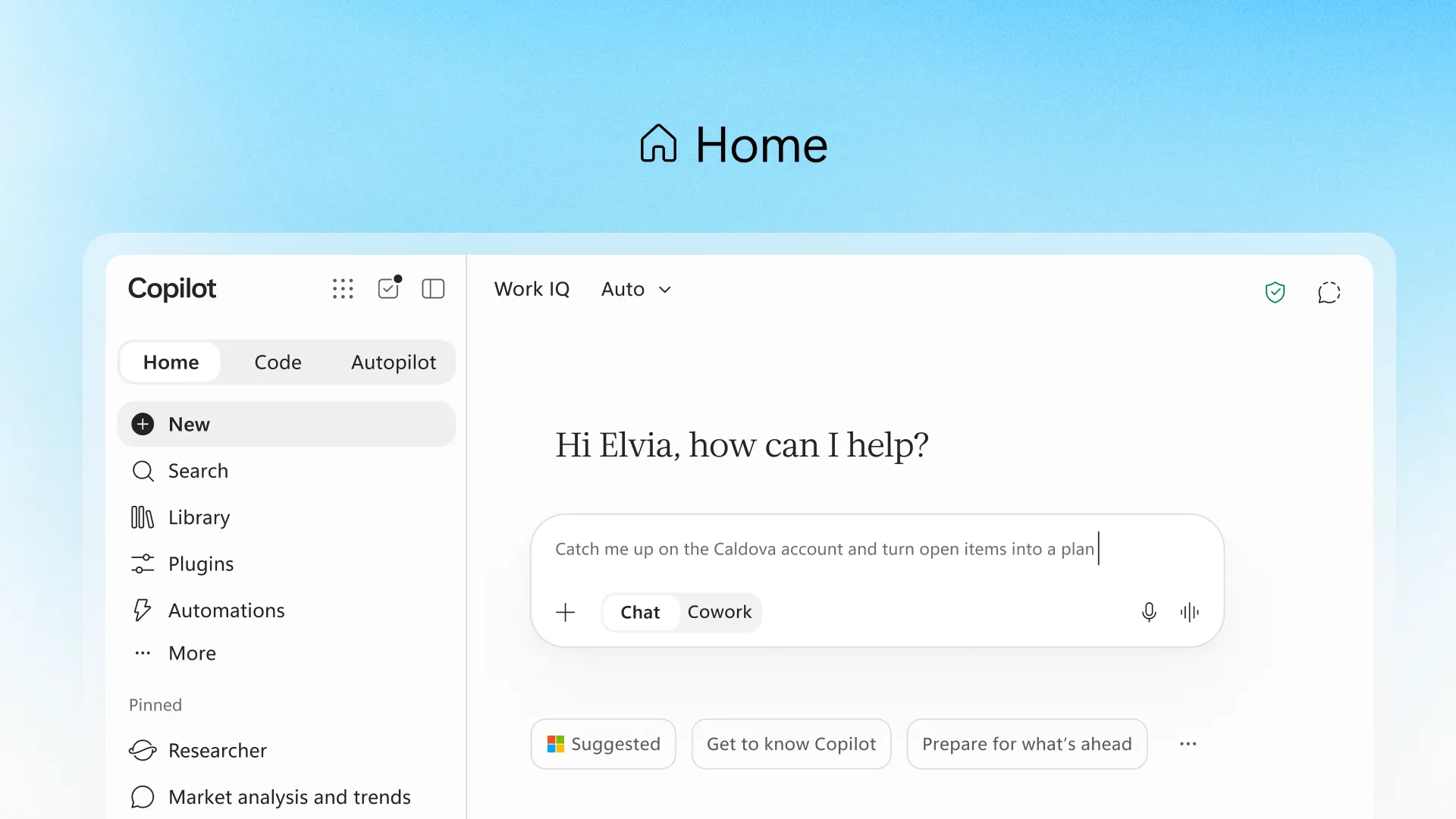
Microsoft's new Copilot app puts Cowork, Code, and Autopilot on usage-based billing

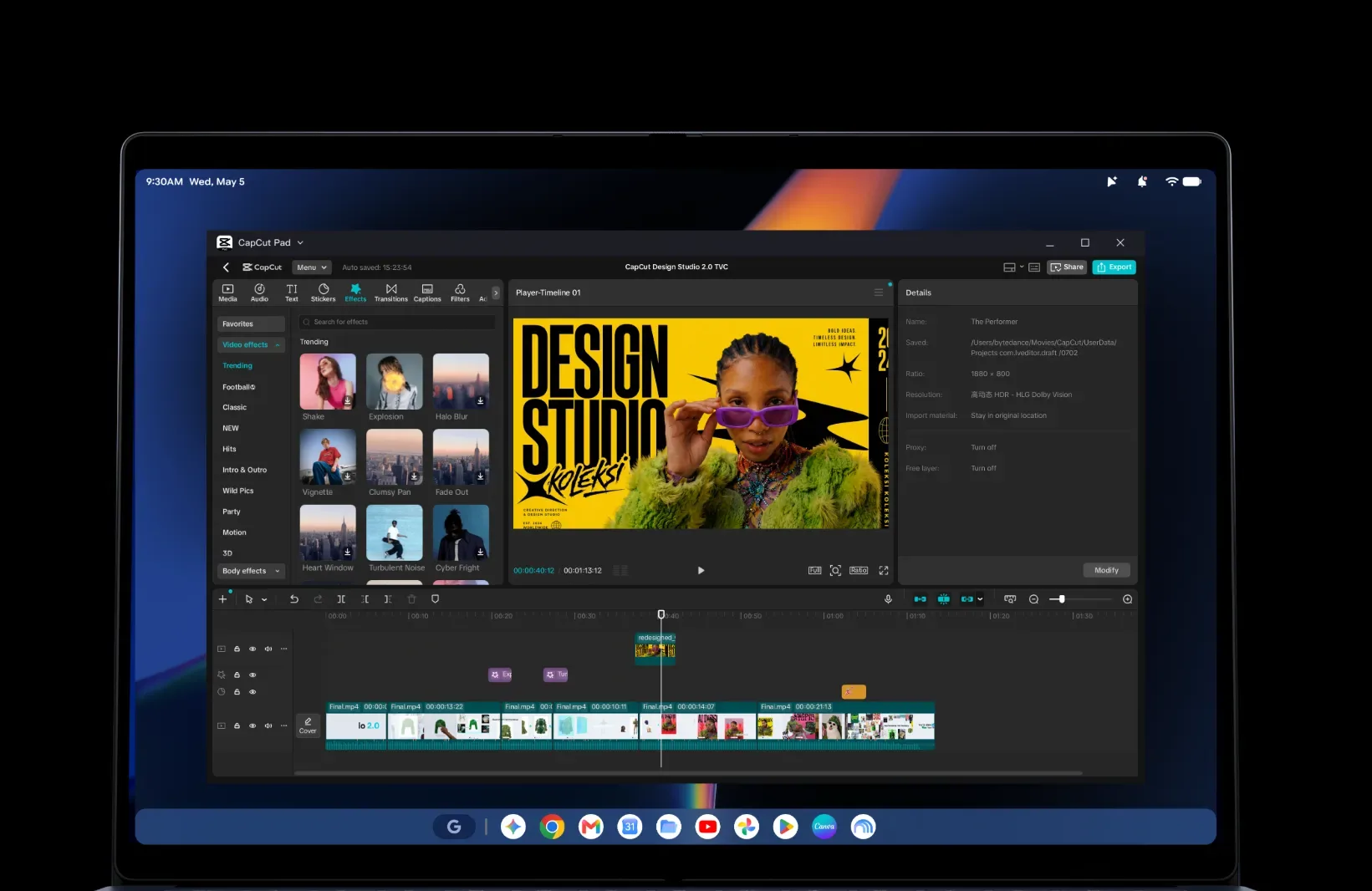
Microsoft introduced a redesigned Copilot app on September 25, 2026, with three tabs: Home, Code, and Autopilot. The per-user license still covers everyday chat and Office work. Cowork, Code, Autopilot, and frontier models such as Fable and Astra are billed by usage in Copilot Credits.

Microsoftverified
Codingmedium signal

Anthropic opens a portal for submitting plugins to the Claude directory

Anthropic opened a submission portal for the Claude directory on September 25, 2026. Developers on paid Claude plans can submit a single MCP connector or a plugin bundle, follow its review, and see usage data once it is live. Existing listings need no changes.

Claude Blogverified

Assistants & appsmedium signal

Claude Tag can now use your own connectors when you ask it something in a Slack channel

Anthropic announced on September 24, 2026, that Claude Tag can use the connectors of the person who makes a request in a Slack channel. Until now it could reach only the connectors an administrator attached to the channel. The feature is rolling out on Team plans, with Enterprise to follow.

Claude Blogverified

Business & policystrong signal

Appeals court upholds the Pentagon's exclusion of Claude from its supply chain

The US Court of Appeals for the D.C. Circuit denied Anthropic's petitions on September 25, 2026, in a 2-1 decision. The exclusion bars contractors from using Anthropic products in their work for the Department of War. A California district court had found a parallel designation unlawful, and the appeals court said that finding does not decide this case.

US Court of Appeals for the D.C. Circuitverified

Securitystrong signal

UpGuard found 16,326 Supabase databases whose tables anyone could read

Security firm UpGuard published a scan of about 300,000 websites that use Supabase on September 25, 2026. It found 16,326 databases that returned readable tables to an outside request, and over half showed signs of personal data. UpGuard ties the problem to apps built by AI coding agents, because tables created through the API do not get Row Level Security by default.

UpGuard Researchverified

Codingmedium signal

Claude Code 2.1.282 stops repository settings from switching on telemetry export

Anthropic released Claude Code 2.1.282 on September 24, 2026. Project and local settings files can no longer turn on OpenTelemetry export, set where it goes, or capture content. The release also closes several ways a repository's files could weaken settings an administrator manages.

Claude Codeverified

Assistants & appsmedium signal

Amazon's Selling Partner plugin connects seller accounts to Claude, in beta for US sellers only

On September 23, 2026, Amazon introduced a Selling Partner plugin that connects a seller's account to Amazon Quick and, in beta, to Anthropic's Claude. The AI tool can read sales and inventory data and take actions such as price changes once the seller approves them. The beta covers only sellers in Amazon's US stores.

Amazon Newsverified

Codingmedium signal

Claude Code 2.1.280 and 2.1.281 fix four cases where permission checks let an action through

Two Claude Code releases on September 22 and 23, 2026 close four gaps in how the tool decides what needs your approval. A write through a symlink could land outside the project, and a recursive delete aimed at a command substitution ran without a prompt in auto mode. A rule containing a NUL byte matched everything. One behavior change also reaches every user: the y and n keys no longer answer dialogs.

Claude Codeverified

Modelsstrong signal

OpenAI releases GPT-6 Sol and Luna and halves the API price of both tiers

GPT-6 Sol costs $2 per million input tokens and $10 per million output tokens, and GPT-6 Luna costs $0.10 and $0.50. OpenAI measures the 50% cut against the promotional prices it charged for GPT-5.6. The launch also brings a reworked prompt cache with discounts of up to 90% on cached input. Every benchmark comparison with Claude comes from OpenAI and uses Opus 5, not Opus 5.5.

OpenAIverified

Modelsstrong signal

Anthropic ships Claude Opus 5.5 and cuts token prices by a fifth

Opus 5.5 charges $4 per million input tokens and $20 per million output tokens, 20% below Opus 5. Cache reads, which dominate the bill for agentic and coding work, fall 60% to $0.20 per million. Anthropic says the model works at the level of Claude Fable 5.1 on most tasks while costing 40% less to run than Opus 5. It also arrives with safeguards that reroute most cybersecurity work to Opus 4.8.

Anthropicverified

Modelsmedium signal

Googlebook opens at $899 with a certified hypervisor under its Linux terminal

Google opened pre-orders for Googlebook on September 21, 2026, with prices starting at $899 and shipping from October 4, 2026. The laptops run an Android-based system with desktop foundations from ChromeOS, on Intel and Qualcomm chips paired with NPUs rated at over 45 TOPS. For anyone who writes code, the notable part is not the assistant features but a pKVM hypervisor with a Level 5 security certification, which powers an isolated Linux environment with full terminal access. Neither announcement says which Gemini features run on the device and which run in the cloud.

Googleverified

Codingstrong signal

Claude Code 2.1.278 moved auto mode's safety checks to the server, where they are not billed

In auto mode a classifier inspects shell commands and network requests before they run, and those checks were separate model requests charged as token usage. From this version Claude Code asks the server to perform them inside the session's own requests, and does not charge for them when the server answers. The default covers Enterprise plans, Claude API accounts, and the AWS, Bedrock, Agent Platform, and Foundry paths, subject to each platform's rollout. Where the server's checks cannot reach a session, the earlier billing returns and a one-time notice says so.

Claude Codeverified

Securitystrong signal

An image upload reached OpenAI's internal code, and Claude Opus 5 wrote the exploit

Three researchers at Hacktron chained a memory bug in libheif with a flaw in OpenAI's single sign-on and ended up inside the company's internal code repository. The way in was a HEIC file uploaded to the public community forum. Opus 4.8 could not build a reliable exploit across several sessions; Opus 5, released the same evening, managed it in three hours. OpenAI paid a $6,500 bounty, and the whole chain took less than 72 hours.

Hacktronverified

Codingmedium signal

Claude Code 2.1.275 stops running the install scripts inside a plugin from npm

Anthropic published the release on September 17, 2026. A plugin installed from npm is now fetched with packing that skips scripts and is integrity-verified, so the package's install scripts never execute. The same build stops printing a password or token that was stored in a git, ssh or marketplace address, and repairs a rewind that could restore a zero-filled or truncated file. A regression it introduced broke every request for anyone whose base URL points at a proxy or gateway, and 2.1.276 fixed that the next day.

Claude Code Releases (GitHub)verified

Codingmedium signal

Claude Code 2.1.268 closes several ways a deny rule failed to apply

The release published on September 10, 2026 is mostly a permissions release. Deny and ask rules did not apply to symlinked directories when a path was spelled by its real location, and a deny rule on a file could be stepped over by putting an unparseable command on the same line. Two separate fixes stop secrets from being printed into plugin and MCP output. The same build also repairs third-party endpoints, which had been failing every turn with HTTP 400 since 2.1.265.

Claude Code Releases (GitHub)verified

Business & policystrong signal

Kimi and DeepSeek users were quietly talking to Claude, Anthropic says

Anthropic's September 2026 misuse report describes distillation campaigns run out of seven Chinese labs. Two of them did more than harvest answers: Moonshot and DeepSeek forwarded their own customers' requests to Claude and showed Claude's replies as their own. The relayed traffic carried live database credentials, internal documentation and surveillance work, from people who had no idea a third vendor was reading it. Every figure below is Anthropic's, and none of it has been confirmed independently.

Anthropicverified

Codingmedium signal

Claude Code 2.1.261 changes what Ctrl+W does and stops auto-approving diagram-renderer links

The release that landed on September 4, 2026 is mostly fixes, but four entries change behavior that was already there. The prompt's word-editing keys now match Bash, and the setting that used to select a keybinding style has no effect at all. Auto mode now treats a link that packs your content into a public diagram renderer's URL as an upload to that site, so it is no longer approved without you. Two new settings raise how much command output reaches the model inline, up to 128,000 characters.

Anthropicverified

Business & policymedium signal

Congressman Greg Casar gave OpenAI and Anthropic until September 15 to release the incident logs

Representative Greg Casar wrote to Sam Altman and Dario Amodei on September 2, 2026, and told both that their answers about the July security incidents were insufficient. Neither company released the logs his August 10 letter asked for. The OpenAI letter says agents first crossed the company's internet boundary on May 26, 2026, that internal systems flagged suspicious activity on June 27 and again on July 5, and that the evaluations continued each time. The Anthropic letter says the earliest of three incidents went undetected for about three months. Both companies have until September 15, 2026 to answer in full.

Greg Casar, US House of Representativesverified

Codingstrong signal

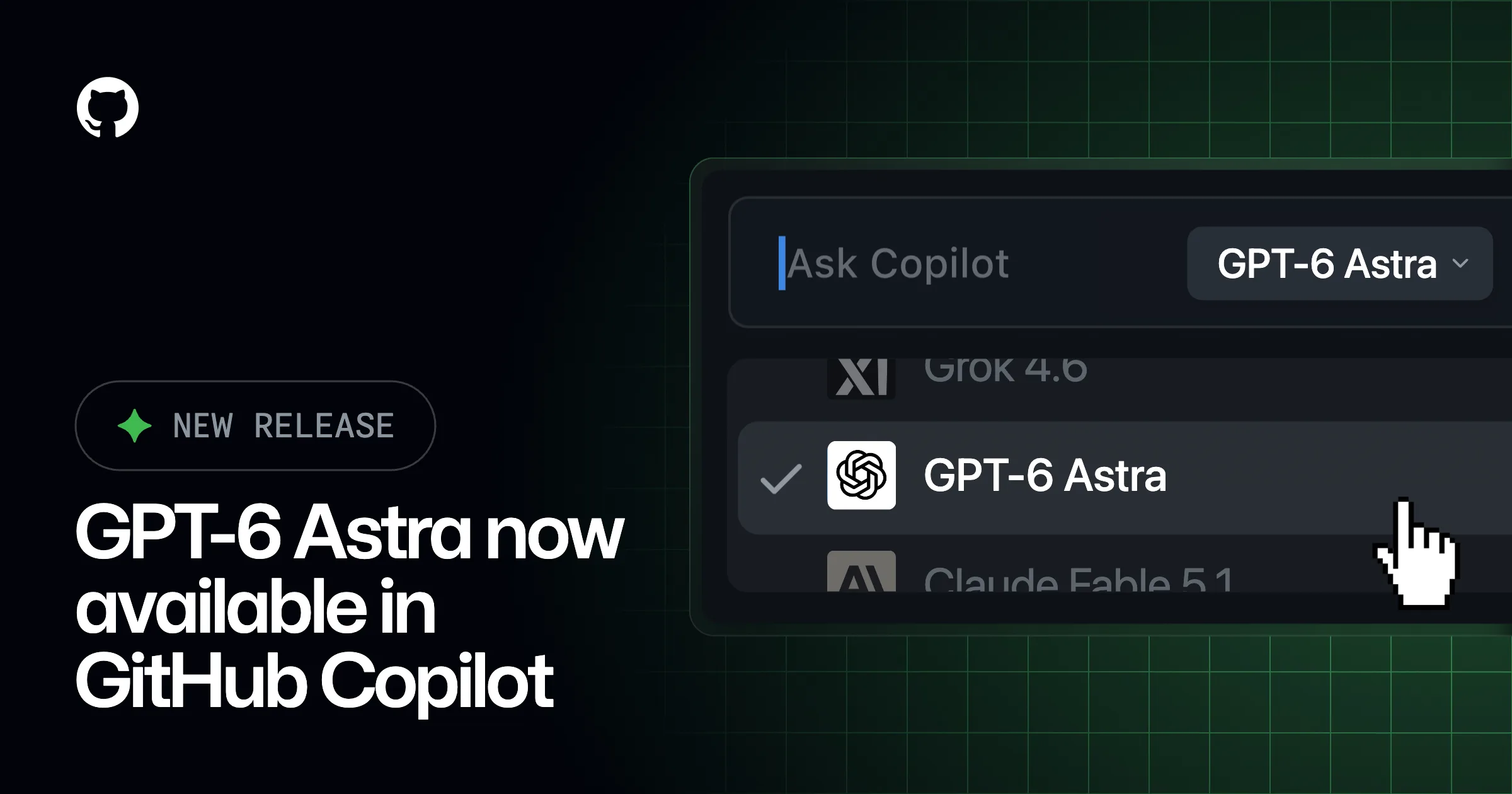
GitHub Copilot switches GPT-6 Astra on by itself and leaves Claude Fable 5.1 off

GPT-6 Astra became generally available in GitHub Copilot on September 4, 2026, for the Pro+, Max, Business, and Enterprise plans. Claude Fable 5.1 reached the same four plans three days earlier. The two arrived with opposite administrator defaults: Astra is enabled automatically under default model enablement, while the Fable 5.1 policy is off until someone turns it on. Fable 5.1 is also the one that retains prompts and outputs, and the zero-retention exemption runs only to the end of the calendar year.

GitHubverified

Codingmedium signal

Claude Code 2.1.260 fixes four ways a permission rule quietly failed to apply

The release published on September 3, 2026 is mostly about permission rules that were written correctly and then did not do what they said. A path containing parentheses could be dropped as invalid, leaving a folder marked read-only writable. One malformed pattern could break every file edit. A zsh command could hide a command substitution inside a variable assignment and be auto-approved. And a rule with stray text after the closing parenthesis matched nothing at all, silently. If you rely on deny rules, the interesting part of this release is not what Claude Code can now do but what your settings were not doing.

Anthropicverified

Assistants & appsmedium signal

ChatGPT, Claude, Grok, and Gemini all had trouble inside the same two hours on September 3

On September 3, 2026, Anthropic logged elevated errors across Claude Mythos 5.1, Claude Fable 5.1, and Claude Opus 5, OpenAI logged elevated errors across ChatGPT and Codex, Grok showed users an error message, and third-party monitors recorded a likely Gemini API interruption. Four independent providers, one morning. No status page names a shared cause, and Amazon Web Services, Microsoft Azure, and Cloudflare reported nothing major. For anyone whose product calls more than one of these, this is the failure mode that a second provider does not fix.

Ars Technicaverified

Codingmedium signal

GitHub retires four Copilot models on October 2 and starts charging for seats up front on October 1

Three GitHub changelog entries landed on September 3, 2026, and together they change which models you can pick, what a new seat costs before anyone types anything, and whether you can sign up at all. Gemini 3.5 Flash, Gemini 3.6 Flash, Kimi K2.7 Code, and Claude Opus 4.7 go away on October 2, 2026, across every Copilot surface. Gemini 3.8 Flash arrives in its place on Pro, Pro+, Max, Business, and Enterprise. Signups for Business and Enterprise reopen for card and PayPal customers, but every assigned seat is now billed before the person using it gets access.

GitHubverified

Codingmedium signal

Anthropic published a commerce agent blueprint, and by design none of it can place an order

Anthropic released a reference implementation for shopping and merchant agents on September 2, 2026, in the public repository anthropics/commerce-agents under the Apache 2.0 license. It carries a customer-facing shopping agent, a back-office merchant agent, four worked verticals and three runtimes, from the Messages API to Managed Agents in beta. Nothing in the code moves money: checkout is handed back to the host system, and every merchant write waits for a person to approve it. A companion post published the same day sets out the patterns behind the code, including cache hit rates Anthropic puts at 90 to 99 percent.

Anthropicverified

Codingstrong signal

Claude Code 2.1.257 closes several ways a permission rule could be walked around

Anthropic shipped two Claude Code releases on September 1, 2026. Version 2.1.257 adds a containment-escape rule to auto mode and a prompt before the first file read outside the working directories, and it fixes five places where a differently written command slipped past a deny rule. A project settings file can no longer put a session into bypass mode. Version 2.1.258 restores launching on macOS 12, broken since 2.1.255.

Claude Code Releasesverified

Modelsstrong signal

Anthropic moves the monitoring record into the customer's own cloud account

Anthropic announced Enterprise Frontier Safeguards on September 1, 2026. It pairs zero data retention with automated misuse detection by keeping the activity data in the customer's cloud account rather than Anthropic's. The rollout is phased, and eligible customers get zero data retention on Fable 5 and Fable 5.1 until it reaches them. Anthropic charges nothing for it; the cloud provider bills the storage.

Anthropicverified

Modelsstrong signal

Anthropic ships Claude Fable 5.1 and cuts the price of cache reads

Claude Fable 5.1 and Claude Mythos 5.1 are one model at two levels of safeguards, and only the first is generally available. The change that shows up on a bill is the cache read, which drops to $0.25 per million tokens. Anthropic estimates that as roughly 25% off a typical workload and up to about 45% off a heavily agentic one. The model is also allowed to look for software vulnerabilities now, while exploit work stays behind the older restrictions.

Anthropicverified

Codingmedium signal

Copilot in VS Code now reports token usage per model and installs portable agent plugins

GitHub published its monthly roundup for Copilot in Visual Studio Code on August 31, 2026, covering releases 1.132 through 1.135. Most of the change is in the Agents window: chats line up side by side, one session opens from more than one window, and plugins written to the Agent Plugins 1.0 standard install outside VS Code as well. The response footer also starts reporting how many tokens each model spent in a turn.

GitHubverified

Securitystrong signal

Anthropic now blocks an escape attempt before the tool call runs

Two incidents this summer put Claude models on the live internet during security testing. On August 31, 2026 Anthropic published what it changed: a classifier that blocks an escape attempt before the tool call executes, hardened sandboxes, and a list of practices every external evaluator now has to commit to. The company also says roughly 150 product engineers moved to security work during a company-wide push, and that more than 10% of its production training environments were flagged during a month-long freeze.

Anthropicverified

Assistants & appsmedium signal

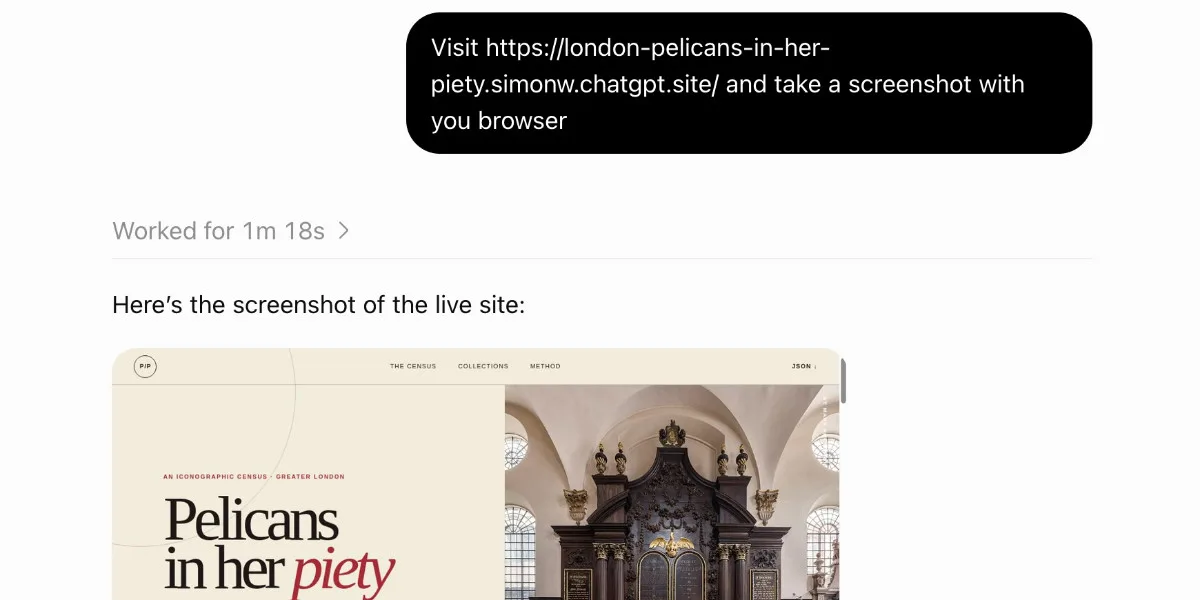
Simon Willison counted what ChatGPT Work actually has: 223 tools, 44 skills, open internet access

Willison reports that OpenAI announced ChatGPT Work on July 9, 2026 and has been changing it since, without documenting what the agent can do. He spent weeks testing it, then had the product describe itself: 223 registered tools and 44 skills, six of the tools his own. The inventory shows a code sandbox with open internet access, a full headless Chrome, and a filesystem shared across sessions.

Simon Willisonverified

Business & policystrong signal

Music publishers ask a court to order an accounting of Anthropic training data

Sony Music Publishing, Warner Chappell and affiliated publishing companies sued Anthropic and two of its founders on August 28, 2026 in the Northern District of California. The 48-page complaint sets out four counts and asks for statutory damages of up to $150,000 per work. The request that reaches furthest is not the money. It asks the court to order an accounting of the training data, the training methods and the known capabilities of Anthropic models.

CourtListenerverified

Codingmedium signal

Copilot's CLI moved to a Rust runtime and kept its TypeScript terminal

GitHub's weekly Copilot roundup for August 28 carries one change that is structural rather than cosmetic: the command-line agent now runs on a native Rust runtime, while the terminal interface it draws stays in TypeScript. Around it sit smaller changes that all point the same way, toward deciding once how the agent behaves instead of deciding again every session. GitHub reports the speedup but publishes no figure for it.

GitHubverified

Securitystrong signal

A rumor of a bug is now enough for an agent to write the exploit

Anil Madhavapeddy fixed a path traversal issue in an OCaml library and opened the patch in public, the way maintainers have done for years. About 10 minutes later his own web server was logging probes for that exact pattern. His own agent had already built a working exploit from nothing but a rough description of where to look. The embargo model assumes that keeping the details quiet buys time, and that assumption has stopped holding.

Anil Madhavapeddyverified

Assistants & appsmedium signal

Anthropic opens 10,000 Claude seats to scientists, free or $15 a month

Anthropic announced a Claude team plan for scientists on August 27: 10,000 seats worldwide for one year, standard seats free and premium seats with 5x usage limits at $15 per month. The plan is claimed by a principal investigator, who then adds their lab. Separately, the AI for Science program now takes researchers outside biology and grants up to $50,000 in credits per project. Access to models is not uniform, and the exceptions are the part worth reading.

Anthropicverified

Codingmedium signal

Claude Code 2.1.251 closes six ways a project could widen its own permissions

Anthropic published the release on August 28. Six of its fixes share one shape: something declared inside the working directory — a symlink, a plugin entry, a workflow script, a settings file — reached past the boundary the session had approved. Several changes now stop managed or project settings from weakening the sandbox or injecting credential headers without an explicit approval. The same release adds hooks that fire around a model switch and a per-session prompt-cache line in the cost command.

Anthropicverified

Business & policystrong signal

The court voided the risk label on Anthropic and enjoined the measures, but rejected the ultra vires claim

Judge Rita Lin struck down the Pentagon's supply chain risk designation on August 27 as First Amendment retaliation and a due process violation, and permanently enjoined it. Read past the headline and the judgment is split: Anthropic lost its ultra vires count outright, and lost against five agencies and against the Executive Office of the President.

US District Court, N.D. Cal.verified

Codingmedium signal

Claude Code 2.1.248 adds a restricted mode and stops leaking credential leftovers

One flag now strips the tools that run code, keeps file access inside the working directory, refuses bypassPermissions and ignores every settings file. The same release stops cloud reviews from uploading tfvars files and editor backups of private keys. Version 2.1.250 followed hours later with fixes only.

Anthropicverified

Securitystrong signal

The classifier let the malware start and then refused to let Claude kill it

Johann Rehberger chained benign-looking steps until Claude Code wrote its own loader for an attacker's Python module. Three variants succeeded in three, three and four runs out of five. In some runs Claude noticed the compromise and tried to stop the process, and Auto Mode denied that command. Anthropic closed the report as informative.

Embrace The Redverified

Assistants & appsstrong signal

Claude Cowork gets its own browser, deliberately separate from yours

When a task needs a website, a browser opens in the side panel of the desktop app and Claude drives it. Anthropic's design decision is the whole story: it is Claude's browser, not the user's, so it never sees their tabs, bookmarks or passwords. Rolling out to Pro, Max and Team over the week from August 26.

Anthropicverified