Skip to content

Claude Code, Codex, Copilot, Cursor, MCP

Coding

111 items

Page 2 of 3.

Codingmedium signal

Claude Code 2.1.282 stops repository settings from switching on telemetry export

Anthropic released Claude Code 2.1.282 on September 24, 2026. Project and local settings files can no longer turn on OpenTelemetry export, set where it goes, or capture content. The release also closes several ways a repository's files could weaken settings an administrator manages.

Claude Codeverified

Codingmedium signal

OpenClaw 2026.9.6 turns on Code Mode by default, and its default executor is not a sandbox

OpenClaw 2026.9.6, released on September 23, 2026, changes three things that existing installations will feel. Code Mode now switches on by itself for recommended models, and its default Node executor runs with the Gateway's own operating system privileges. Code Mode also stops accepting TypeScript. The macOS app of this release can crash on every launch, so Mac users are told not to update yet.

OpenClawverified

Codingmedium signal

Gemini CLI 0.61.0 asks before running a build it edited and keeps credentials out of its sandbox

Google released Gemini CLI 0.61.0 on September 23, 2026 with two security fixes. The agent now asks before it runs a build or test command after a build file changed in the same session, and before it uses flags that came from outside content. The sandbox no longer receives the host's configuration directory, API keys, or credential files. Setups that mount sensitive paths into the sandbox will now fail to start.

Gemini CLIverified

Codingmedium signal

Claude Code 2.1.280 and 2.1.281 fix four cases where permission checks let an action through

Two Claude Code releases on September 22 and 23, 2026 close four gaps in how the tool decides what needs your approval. A write through a symlink could land outside the project, and a recursive delete aimed at a command substitution ran without a prompt in auto mode. A rule containing a NUL byte matched everything. One behavior change also reaches every user: the y and n keys no longer answer dialogs.

Claude Codeverified

Codingmedium signal

The GitHub Copilot app can now sandbox local sessions, but the setting is off by default

Since September 23, 2026, the GitHub Copilot app can limit what a local agent session reaches on your machine: folders, network access, and Git and GitHub CLI credentials. The feature is in public preview and has to be switched on for each project. A day earlier the app gained OpenTelemetry export for administrators, and Copilot code review settings reached every plan.

GitHub Changelogverified

Codingmedium signal

Node.js 26.10.0 adds debounce and throttle to the standard library

The release arrived on September 22, 2026 and contains no security fixes. Both new functions return a promise for whatever the wrapped function produced, accept an AbortSignal, and say exactly what happens to a call they decide not to run. Throttle also carries a concurrency limit, a queue depth and a choice between queueing the overflow and rejecting it. Nine further changes are marked semver-minor, among them a synchronous openAsBlob and a way to hand a bound socket to a worker thread.

Node.jsverified

Codingstrong signal

Cloudflare makes Python a first-class Workers language after a two-year preview

Cloudflare closed the preview on September 21, 2026 and now treats Python as a fully supported language on Workers. Bindings to R2, D1, Queues and Workers AI accept Python objects directly, so the conversion code that used to sit at the JavaScript boundary is gone. Socket system calls are implemented against the Workers connect API, which lets aiomysql and asyncpg reach a database through Hyperdrive. Two standard library modules still do nothing.

Cloudflareverified

Codingmedium signal

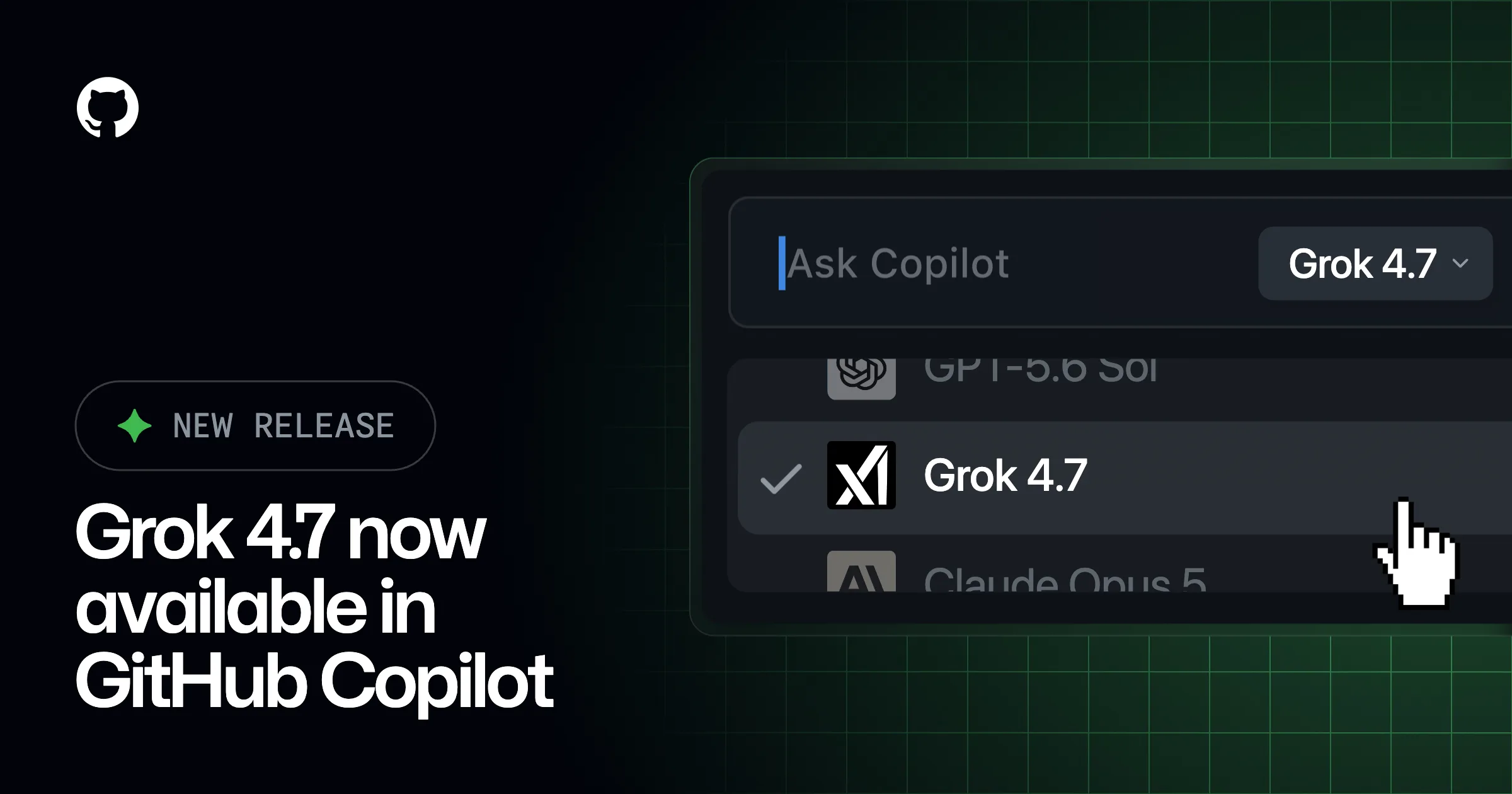
GitHub puts Grok 4.7 in Copilot at the same rate it charges for 4.6

GitHub started rolling out Grok 4.7 in Copilot on September 21, 2026. The model is billed at provider list pricing under usage-based billing, and the documentation puts it at $2.00 per million input tokens and $6.00 per million output tokens below 200K of context, exactly what Grok 4.5 and 4.6 cost in the same table. It reaches Copilot Pro, Pro+, Max, Business and Enterprise, and the model picker in eight places, from Visual Studio Code to Eclipse. For a company on Business or Enterprise, a new model switches itself on unless an administrator has already turned the default off.

GitHubverified

Codingmedium signal

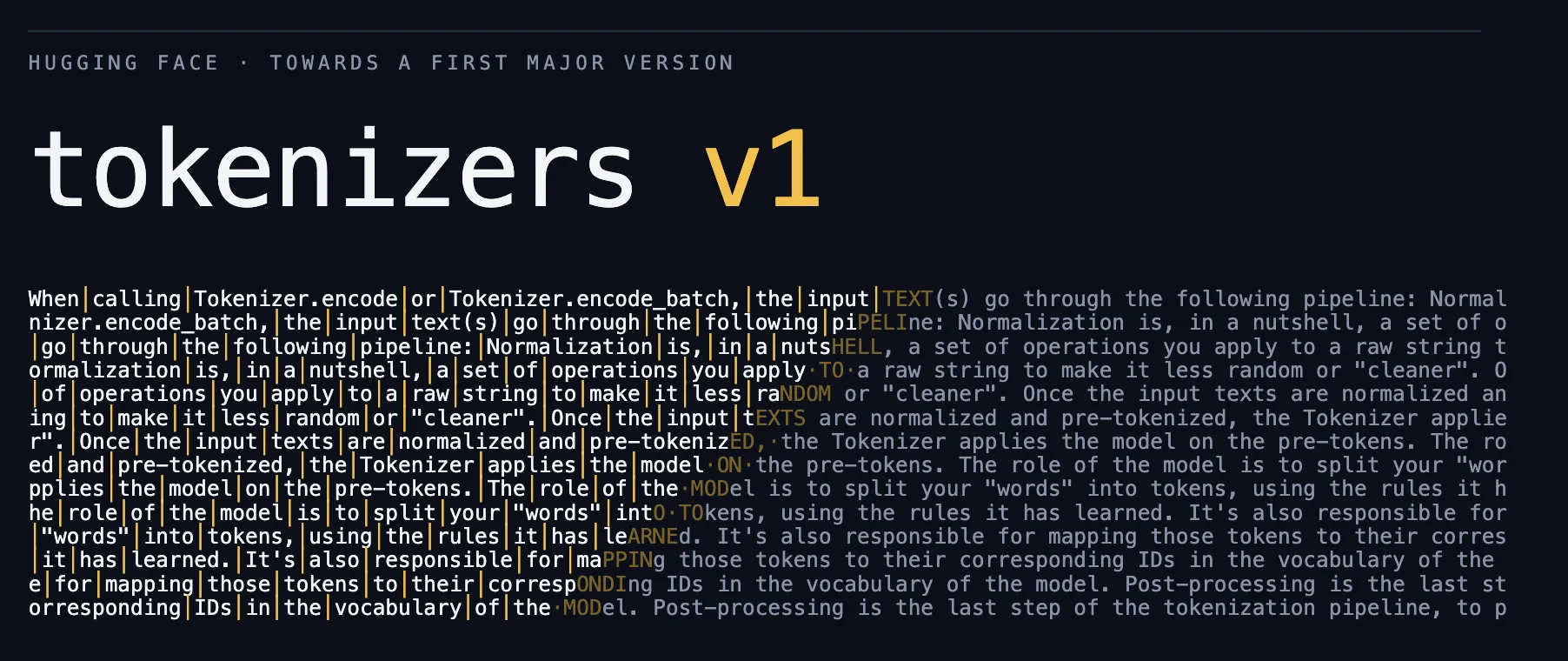
Hugging Face measures tokenizers v1 at 3 to 30 times the encode speed of v0.23

Hugging Face published the release candidate of tokenizers v1 on September 21, 2026, together with the numbers behind it. Across the ten model families the new encode path covers, the library encodes 3 to 30 times faster than v0.23 on a single thread of an Apple M4 Max, and it reaches 76% of linear scaling across eight workers. The output does not change: the same text produces the same token IDs, through the same calls. Every figure was measured against the Rust crate, and the Python bindings most of the ecosystem uses add per-call overhead the numbers exclude.

Hugging Faceverified

Codingmedium signal

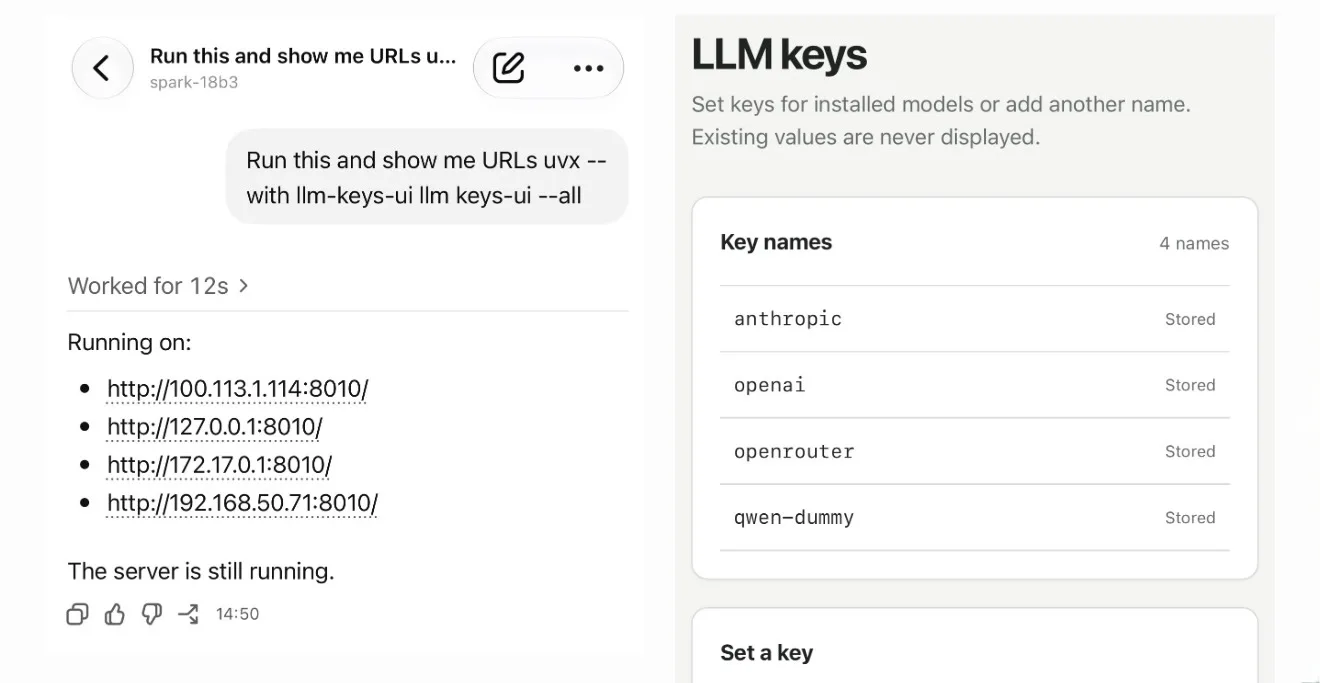
Willison's new plugin takes an API key through a web form, not through the agent

Simon Willison released llm-keys-ui 0.1 on September 20, 2026. The plugin serves a small page from the machine where LLM is installed, and a key typed into that page is saved straight into the key store. Nothing has to be pasted into the coding agent running on the same machine. The interface has no authentication, and the project tells the operator to stop the server once the keys are in.

Simon Willison's Weblogverified

Codingmedium signal

A new npm token can submit a release but cannot publish one

GitHub added a permission to npm granular access tokens on September 18, 2026: read and write, stage only. A workflow holding one submits a version to a staging area, and the registry refuses a direct publish from it even when the token is set to bypass two-factor authentication. Releasing the staged version takes a maintainer and a second factor. The deadline behind this is already set, because direct publishing through bypass-2FA tokens is due to disappear in January 2027.

GitHub Changelogverified

Codingmedium signal

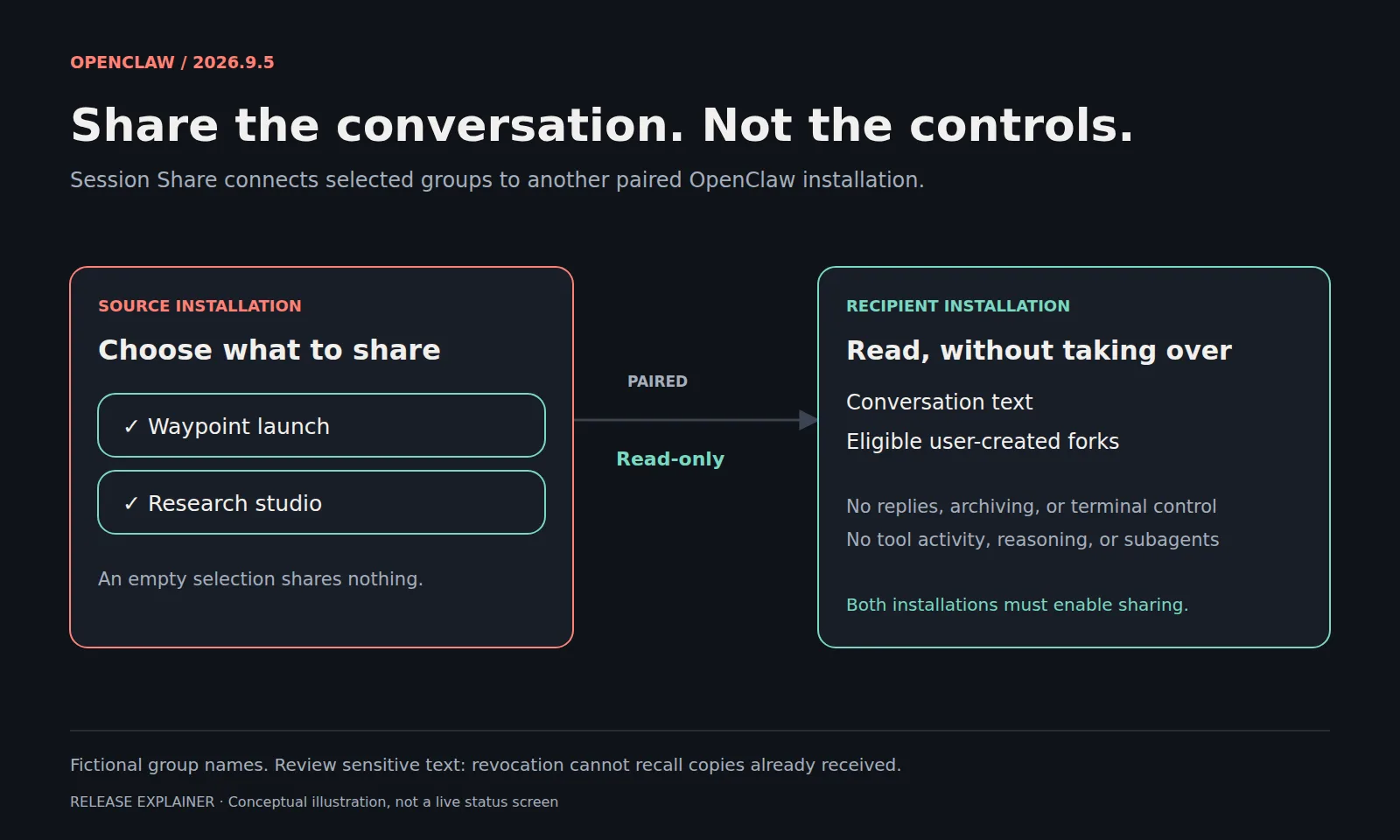
OpenClaw 2026.9.5 reloads plugins without stopping the Gateway and shares conversations read-only

Installing, reloading, updating, or removing a plugin no longer takes the whole installation offline. Session Share hands a chosen group of conversations to a teammate on another paired installation as text they can read but not continue. Updates now validate the next version against a private copy of the setup while the current Gateway keeps running. The conversation database changes in this release even with archiving switched off, so a verified backup before upgrading is the only way back.

OpenClawverified

Codingstrong signal

Claude Code 2.1.278 moved auto mode's safety checks to the server, where they are not billed

In auto mode a classifier inspects shell commands and network requests before they run, and those checks were separate model requests charged as token usage. From this version Claude Code asks the server to perform them inside the session's own requests, and does not charge for them when the server answers. The default covers Enterprise plans, Claude API accounts, and the AWS, Bedrock, Agent Platform, and Foundry paths, subject to each platform's rollout. Where the server's checks cannot reach a session, the earlier billing returns and a one-time notice says so.

Claude Codeverified
Codingstrong signal

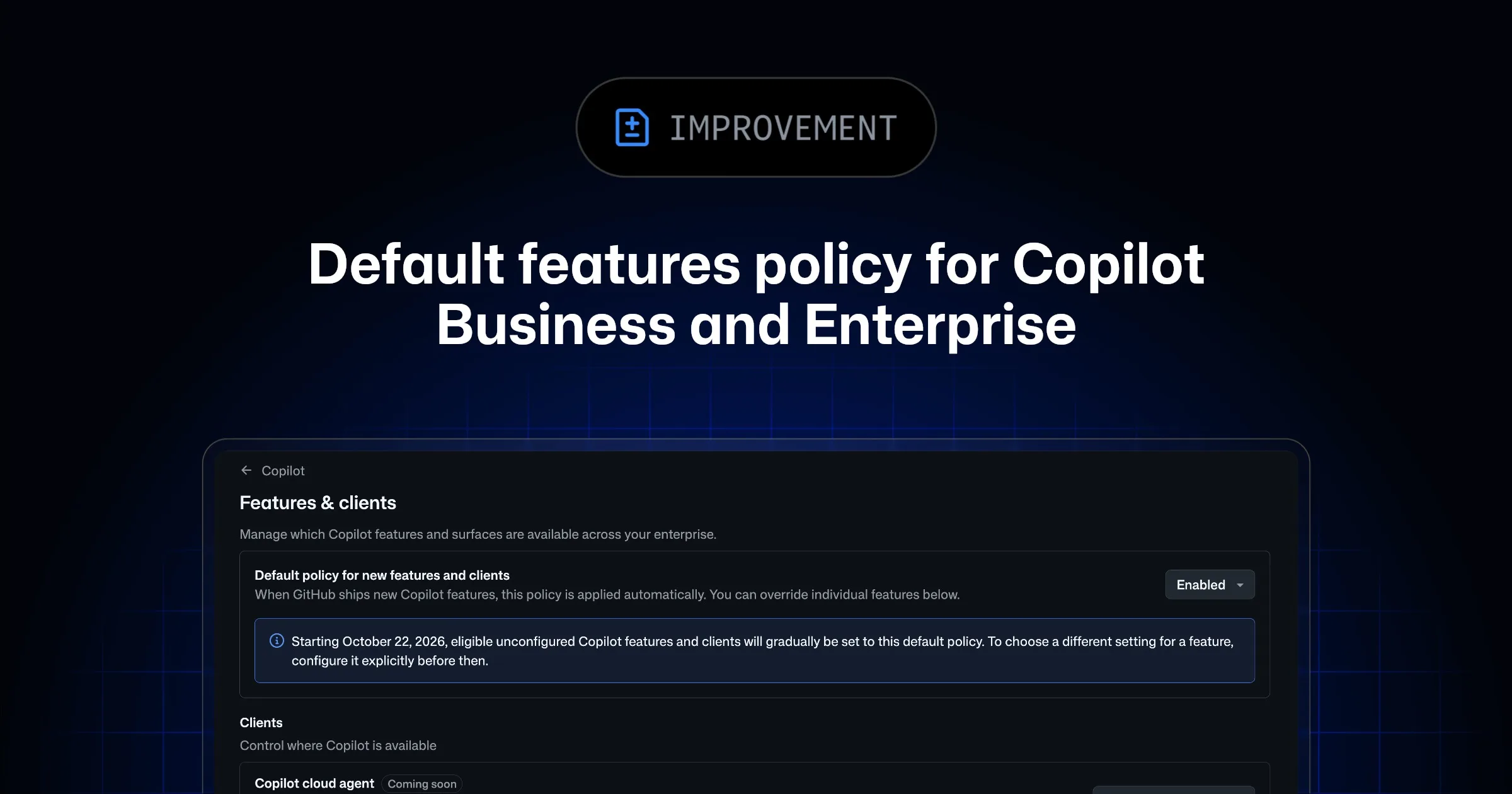
GitHub is retiring six Copilot models and has rebuilt the code review overview

Six models stop working across every Copilot surface on October 19, 2026, and each one has a named replacement. On Enterprise and Business the replacement enables itself unless an administrator has turned it off, so the remaining work sits in configuration that names a model in writing. Separately, Copilot code review reached general availability. Its overview comment now separates open findings from resolved ones and from issues it missed on an earlier pass, and every finding carries a title.

GitHub Changelogverified

Codingmedium signal

GitHub's Copilot metrics now report which skills, MCP servers and slash commands get used

Two changelog entries on September 17, 2026 extend Copilot reporting from how much is used to what is used. The usage metrics API now returns the most-used skills, custom agents, MCP servers, slash commands and plugins, with an interaction count for each. The impact dashboard separately reports how many people used each Copilot feature on at least two days in a 28-day window. Both are for administrators, and both come with counting rules that will mislead anyone who skips them.

GitHubverified

Codingmedium signal

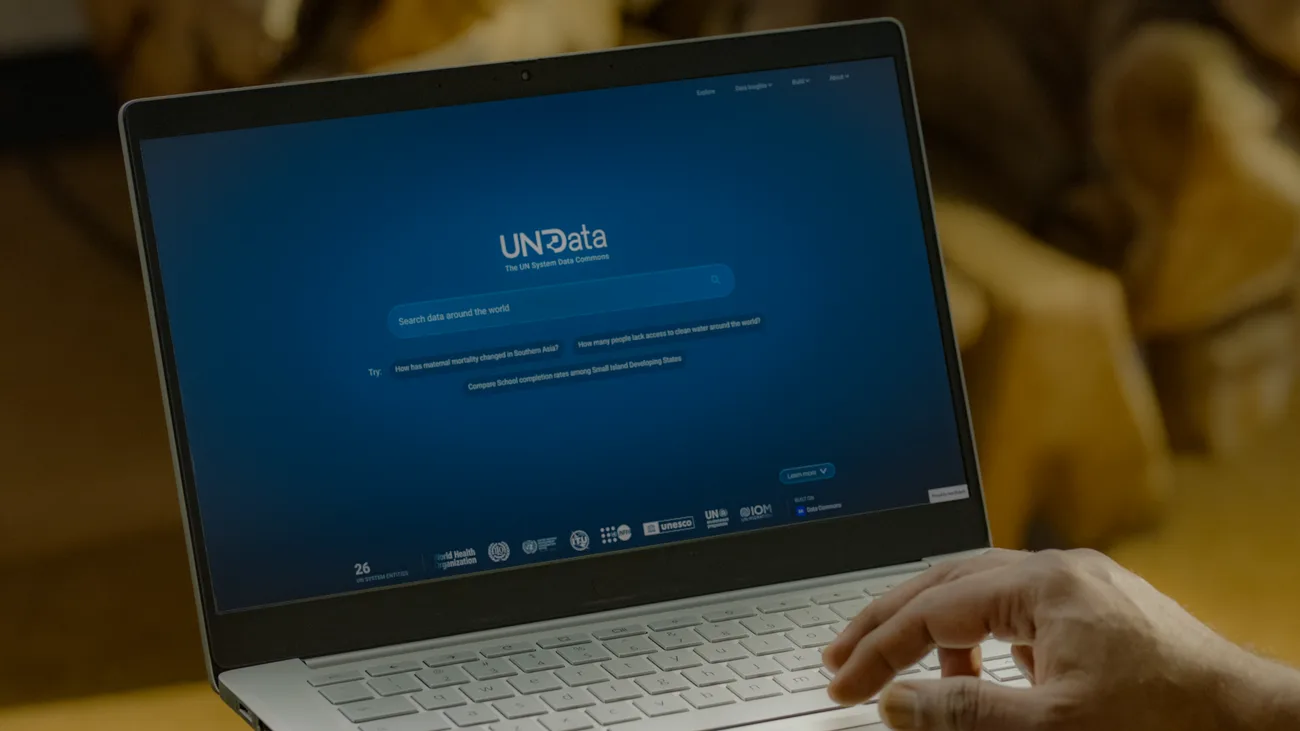
UN statistics now sit behind an MCP connection an agent can query itself

The UN system has opened the UN System Data Commons, a single knowledge graph built from statistics that used to live in separate agency silos. It is searchable in plain language at data.un.org, and it speaks the Model Context Protocol, so an agent can fetch a figure without a person opening a spreadsheet. Google states that every dataset was validated with UN statisticians. The stated goal is 80% of the system's statistical datasets by 2027.

Googleverified

Codingmedium signal

Claude Code 2.1.275 stops running the install scripts inside a plugin from npm

Anthropic published the release on September 17, 2026. A plugin installed from npm is now fetched with packing that skips scripts and is integrity-verified, so the package's install scripts never execute. The same build stops printing a password or token that was stored in a git, ssh or marketplace address, and repairs a rewind that could restore a zero-filled or truncated file. A regression it introduced broke every request for anyone whose base URL points at a proxy or gateway, and 2.1.276 fixed that the next day.

Claude Code Releases (GitHub)verified

Codingmedium signal

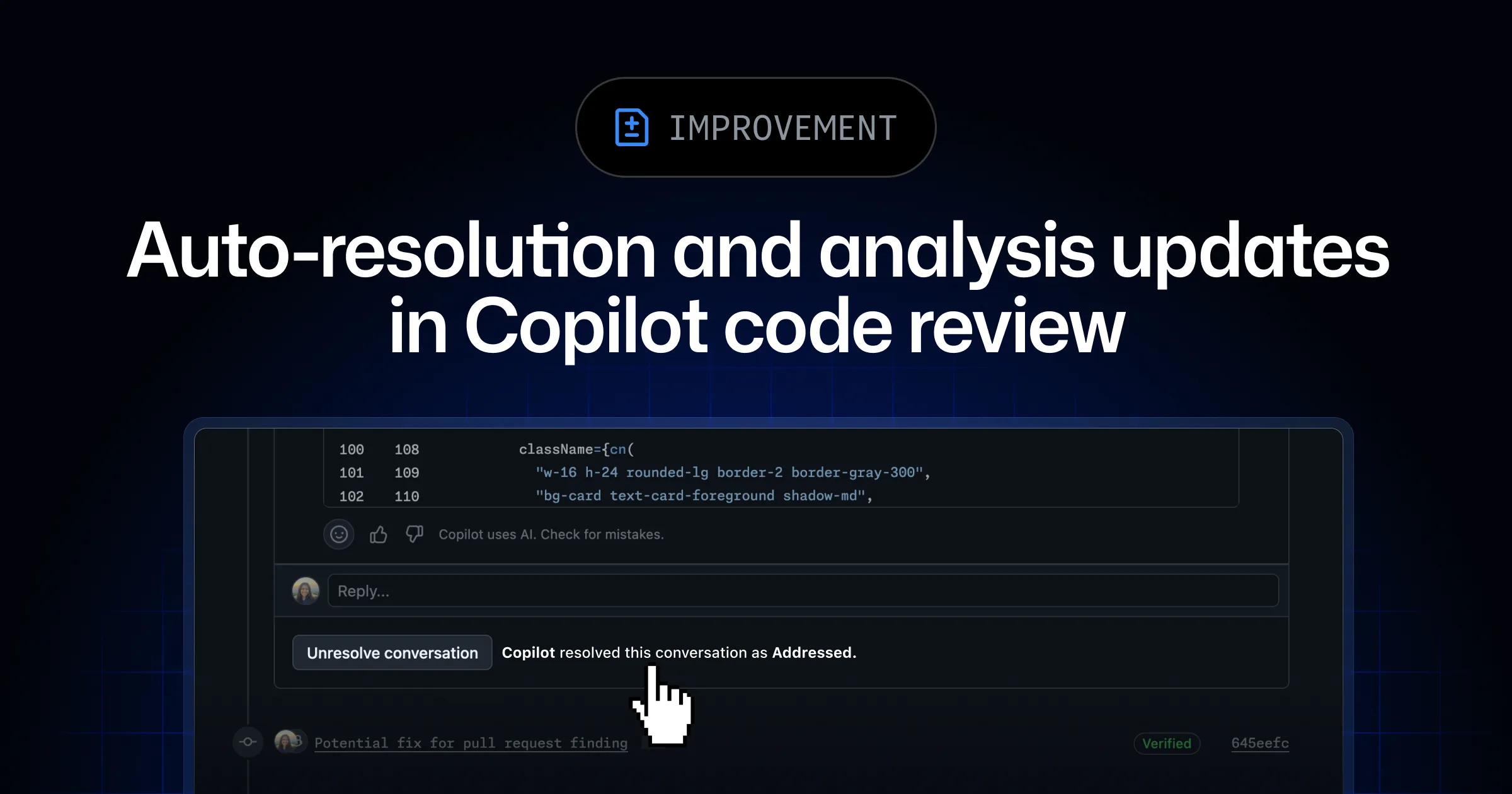
Copilot code review resolves its own comments, and Lite reviews now run an ensemble

GitHub shipped the change on September 11, 2026. When a later commit addresses a review comment, Copilot now resolves that comment during its rereview, and feedback that still needs work stays open. The review agent also picked up the full set of shell tools from the Copilot SDK, so it can run builds, tests and targeted scripts against the code it is reading. The Lite effort level now runs an ensemble of agents instead of one, which GitHub measured at 47% more addressed high severity comments per review for about 8% less cost.

GitHub Changelog: Copilotverified

Codingmedium signal

OpenClaw 2026.9.4 can undo a failed update, and its ready cloud workers bill until deleted

OpenClaw published version 2026.9.4 on September 11, 2026. A failed update can now restore the previous package, but only where schema and configuration checks show the rollback is safe, and database migrations still require a verified backup taken before the upgrade. The same release adds prepared cloud workers that keep costing provider money until they are deleted, with a default reserve of one per project or profile and a ceiling of four across the Gateway. Plugins move into a single workspace, and a host can now lock configuration through an environment variable.

OpenClawverified

Codingmedium signal

GitHub retired MAI-Code-1-Flash across Copilot the same day it announced the change

GitHub deprecated MAI-Code-1-Flash on September 10, 2026, and the changelog entry carries that same date for both the announcement and the retirement. The model is gone from Copilot Chat, inline edits, ask mode, agent mode, and code completions. GitHub names MAI-Code-1.1-Flash as the suggested alternative and asks teams to update anything that calls the old model by name. On Copilot Enterprise the alternative does not show up until an administrator enables it in the model policies.

GitHub Changelogverified

Codingmedium signal

Datasette ships two security releases found by an audit its authors ran with models

Two patch versions are out, 1.0a39 for the alpha series and 0.65.4 for the stable line, and the fixes matter most for an instance on the public web that mixes public and private tables. The list is a catalog of ways a permission check can be true and still wrong: a table name in the wrong case, a filter that reaches through an intermediate table, statistics tables nobody thought to deny. The audit that found them was run with Claude Fable 5.1, GPT-5.6 and GPT-6 Astra, and reviewed by two people over almost a week.

Simon Willisonverified

Codingmedium signal

Claude Code 2.1.268 closes several ways a deny rule failed to apply

The release published on September 10, 2026 is mostly a permissions release. Deny and ask rules did not apply to symlinked directories when a path was spelled by its real location, and a deny rule on a file could be stepped over by putting an unparseable command on the same line. Two separate fixes stop secrets from being printed into plugin and MCP output. The same build also repairs third-party endpoints, which had been failing every turn with HTTP 400 since 2.1.265.

Claude Code Releases (GitHub)verified

Codingstrong signal

OpenAI turns the harness behind Codex into an Agents API

On September 10, 2026, OpenAI opened the Agents API in public beta, giving any developer the harness and infrastructure that already run Codex. One call creates an agent session with its task, model, tools and execution environment, and the compaction, tool search and subagent orchestration come with it. The same day, the GPT-Live-1 voice model reached the API at $0.05 per minute for the voice layer. For anyone building agents, the orchestration layer is now a purchased component rather than a written one.

OpenAIverified

Codingmedium signal

OpenClaw 2026.9.2 turns Swarm on by default and makes sessions visible to other agents

The open personal assistant shipped 2026.9.2 on September 5, 2026, and two of its lines describe defaults rather than features. Swarm, which runs several sub-agents at once, is now on unless it is switched off, and session tools now show every session instead of only the calling agent's. The same release makes GPT-6 Astra selectable, applies most settings changes without restarting the Gateway, and moves plugin icons into the package. Plugin authors get a date: the deprecated prompt-context aliases become eligible for removal on or after September 8, 2026.

OpenClawverified

Codingmedium signal

Claude Code 2.1.261 changes what Ctrl+W does and stops auto-approving diagram-renderer links

The release that landed on September 4, 2026 is mostly fixes, but four entries change behavior that was already there. The prompt's word-editing keys now match Bash, and the setting that used to select a keybinding style has no effect at all. Auto mode now treats a link that packs your content into a public diagram renderer's URL as an upload to that site, so it is no longer approved without you. Two new settings raise how much command output reaches the model inline, up to 128,000 characters.

Anthropicverified

Codingmedium signal

Amazon Bedrock adds a ServiceNow connector and scheduled syncs to its managed knowledge bases

AWS published three changes to Amazon Bedrock Managed Knowledge Base on September 4, 2026. ServiceNow becomes a native data source, so knowledge articles and service catalog items are crawled without a custom ingestion pipeline. SharePoint, OneDrive, and Confluence can now be connected by signing in with your own credentials instead of waiting for an IT-issued service account. Sync scheduling arrives for every native connector, at daily, weekly, or monthly intervals.

AWSverified

Codingmedium signal

The AWS MCP Server can now diagnose a Lambda function and the seven services around it

AWS published the serverless diagnostic capability on September 4, 2026. A coding agent connected to the AWS MCP Server can inspect a Lambda function together with its connected resources across seven services, compare error signals against a 7-day baseline, read deployment configuration, and analyze latency. It costs nothing extra. The server itself runs in only two regions, even though it reaches services in every commercial region.

AWSverified

Codingstrong signal

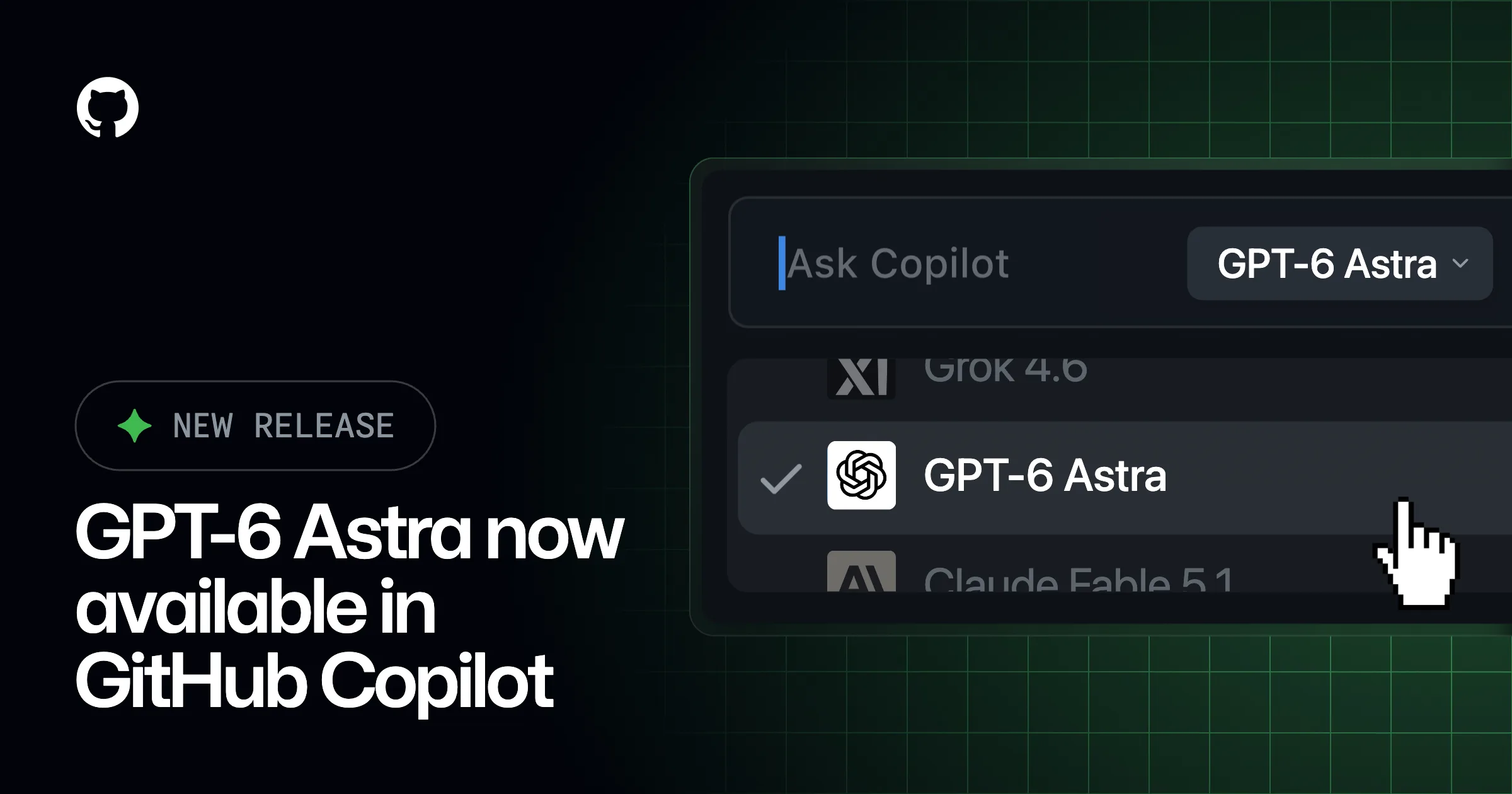
GitHub Copilot switches GPT-6 Astra on by itself and leaves Claude Fable 5.1 off

GPT-6 Astra became generally available in GitHub Copilot on September 4, 2026, for the Pro+, Max, Business, and Enterprise plans. Claude Fable 5.1 reached the same four plans three days earlier. The two arrived with opposite administrator defaults: Astra is enabled automatically under default model enablement, while the Fable 5.1 policy is off until someone turns it on. Fable 5.1 is also the one that retains prompts and outputs, and the zero-retention exemption runs only to the end of the calendar year.

GitHubverified

Codingmedium signal

OpenClaw 2026.9.1 rolls back a failed update and adds a host blocklist to its SSRF policy

The September release of the open personal assistant reworks the part that breaks machines. The update command now restores the previous npm candidate when the Doctor run that follows the upgrade fails, and it keeps configuration and secret references through that failure. The same release gives the SSRF policy an explicit list of hostnames to refuse, stops systemd unit backups from carrying Gateway tokens, and draws Mermaid blocks as diagrams inside the chat. One group has to act: anyone on 2026.8.2 without a service manager should run the update once with restarts disabled.

OpenClawverified

Codingmedium signal

Claude Code 2.1.260 fixes four ways a permission rule quietly failed to apply

The release published on September 3, 2026 is mostly about permission rules that were written correctly and then did not do what they said. A path containing parentheses could be dropped as invalid, leaving a folder marked read-only writable. One malformed pattern could break every file edit. A zsh command could hide a command substitution inside a variable assignment and be auto-approved. And a rule with stray text after the closing parenthesis matched nothing at all, silently. If you rely on deny rules, the interesting part of this release is not what Claude Code can now do but what your settings were not doing.

Anthropicverified

Codingmedium signal

GitHub retires four Copilot models on October 2 and starts charging for seats up front on October 1

Three GitHub changelog entries landed on September 3, 2026, and together they change which models you can pick, what a new seat costs before anyone types anything, and whether you can sign up at all. Gemini 3.5 Flash, Gemini 3.6 Flash, Kimi K2.7 Code, and Claude Opus 4.7 go away on October 2, 2026, across every Copilot surface. Gemini 3.8 Flash arrives in its place on Pro, Pro+, Max, Business, and Enterprise. Signups for Business and Enterprise reopen for card and PayPal customers, but every assigned seat is now billed before the person using it gets access.

GitHubverified

Codingmedium signal

Anthropic published a commerce agent blueprint, and by design none of it can place an order

Anthropic released a reference implementation for shopping and merchant agents on September 2, 2026, in the public repository anthropics/commerce-agents under the Apache 2.0 license. It carries a customer-facing shopping agent, a back-office merchant agent, four worked verticals and three runtimes, from the Messages API to Managed Agents in beta. Nothing in the code moves money: checkout is handed back to the host system, and every merchant write waits for a person to approve it. A companion post published the same day sets out the patterns behind the code, including cache hit rates Anthropic puts at 90 to 99 percent.

Anthropicverified

Codingmedium signal

Copilot's app and CLI now obey content exclusions, and an admin can set the default model

GitHub shipped two Copilot changes on September 2, 2026. The Copilot app and Copilot CLI now respect the content exclusion rules that enterprise, organization and repository administrators configure, on Copilot Business and Copilot Enterprise. Enterprise-managed settings now accept the name of a specific model as the default for new conversations. The documentation also spells out the limits: an excluded file can still reach the model through type information the editor supplies, and the rule covers neither symbolic links nor repositories on remote filesystems.

GitHubverified

Codingmedium signal

OpenClaw 2026.8.2 adds a Linux desktop app and widens what sessions see by default

OpenClaw 2026.8.2 was published on September 1, 2026. Two entries in a long set of release notes matter more than the rest: a desktop application for Linux, and a change to what a session may reach by default. Sessions that do not run in a sandbox can now work with other sessions of the same agent unless an operator narrows that. The release also raises the managed Sharp dependency to 0.35.4 with libheif 1.23.2, fixing vulnerabilities in image decoding.

OpenClawverified

Codingstrong signal

Claude Code 2.1.257 closes several ways a permission rule could be walked around

Anthropic shipped two Claude Code releases on September 1, 2026. Version 2.1.257 adds a containment-escape rule to auto mode and a prompt before the first file read outside the working directories, and it fixes five places where a differently written command slipped past a deny rule. A project settings file can no longer put a session into bypass mode. Version 2.1.258 restores launching on macOS 12, broken since 2.1.255.

Claude Code Releasesverified

Codingweak signal

The Codex desktop app keeps 1.7GB of tools on disk, LibreOffice included

Simon Willison went looking through his cache folder and found that the OpenAI Codex desktop app, since rebranded to ChatGPT, stores a 1.7GB runtime there. Inside it are a full Python installation, a full Node.js installation, and native binaries for Poppler, git and LibreOffice. A neighboring folder holds skills that tell the agent where those binaries are and how to use them. It is a small finding with a large implication about where document work actually happens.

Simon Willisonverified

Codingmedium signal

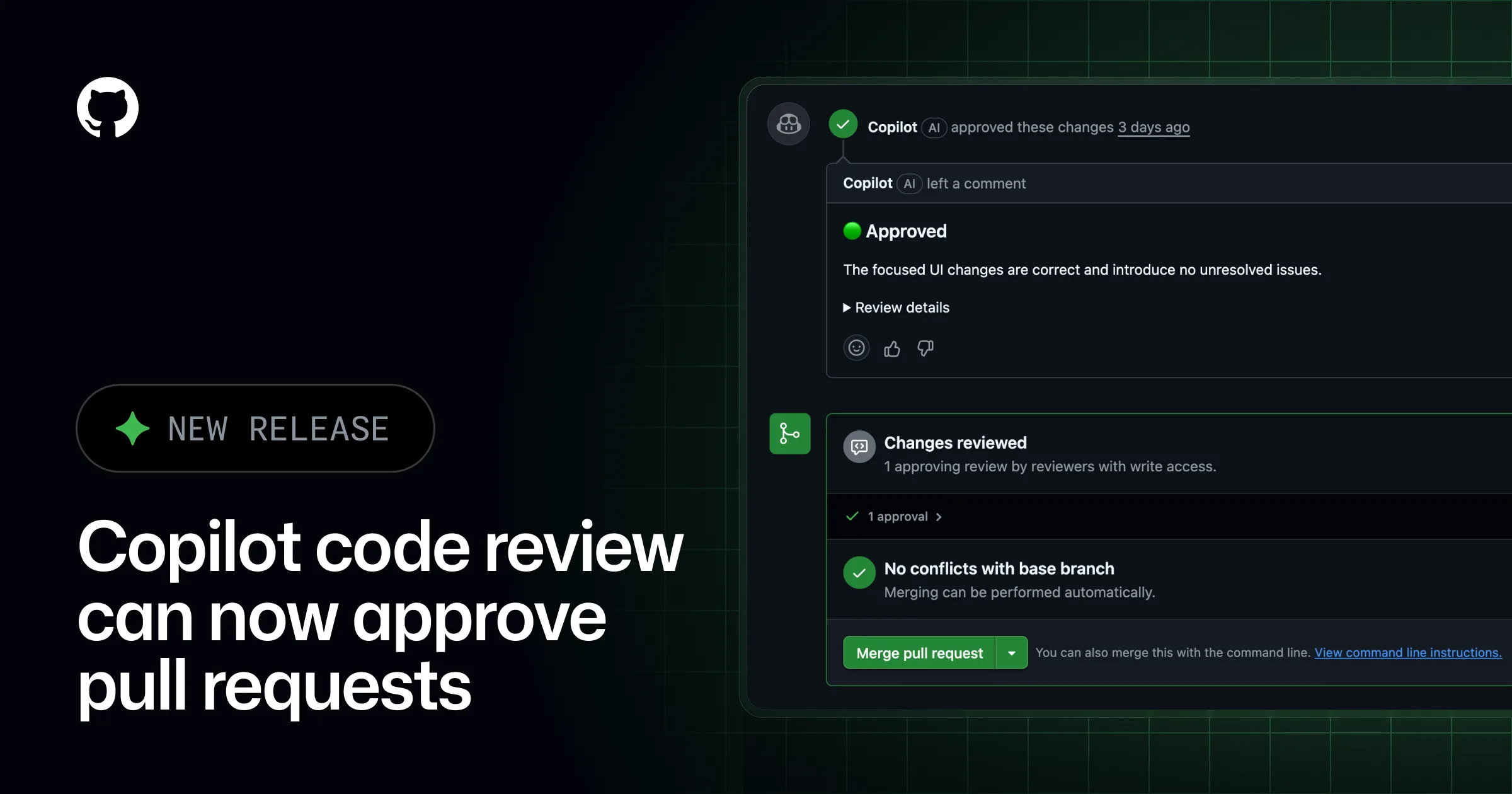
Copilot can now approve a pull request, if an administrator lets it

GitHub added an approval assessment to every Copilot code review, and a separate setting that lets Copilot submit a real approval. That approval counts toward a repository's required-approvals rule, which means a machine can satisfy a gate that used to need a person. It is off by default and configurable at three levels, down to which file paths Copilot may sign off on. A second changelog entry the same day gives individual user budgets an expiry date.

GitHubverified

Codingmedium signal

AWS Agent Registry is generally available and answers as an MCP server

AWS took Agent Registry out of preview on August 31, 2026. It is a private catalog of the agents, tools, skills, MCP servers, and custom resources an organization already runs, with search, approval, and audit trails on top. General availability adds provisioning as code, cross-account sharing, and automatic detection of agents running on AgentCore. The registry is also exposed as an MCP server, so an assistant in an editor can query it during a task.

AWSverified

Codingmedium signal

Copilot in VS Code now reports token usage per model and installs portable agent plugins

GitHub published its monthly roundup for Copilot in Visual Studio Code on August 31, 2026, covering releases 1.132 through 1.135. Most of the change is in the Agents window: chats line up side by side, one session opens from more than one window, and plugins written to the Agent Plugins 1.0 standard install outside VS Code as well. The response footer also starts reporting how many tokens each model spent in a turn.

GitHubverified